A patched DLL file has brought DLSS 5 Ampere GPUs support to Nvidia’s ageing RTX 30-series cards, months before the neural rendering technology has even been officially confirmed. The catch is that most games barely limp along once it’s switched on, with frame rates collapsing into single digits in several high-profile titles.
The whole saga started when a pre-release build of DLSS 5 leaked through NBA 2K27, a game currently sitting in early access. Enthusiasts on the RenoDX Discord server quickly extracted the DLL and got it running on RTX 50-series cards, which were always the intended audience. From there, modders reworked the file to support RTX 40-series GPUs, and now, in a fairly remarkable bit of reverse engineering, they have pushed it back another generation to work on RTX 30-series Ampere hardware.
Table of Contents
How DLSS 5 Ampere GPUs support actually works
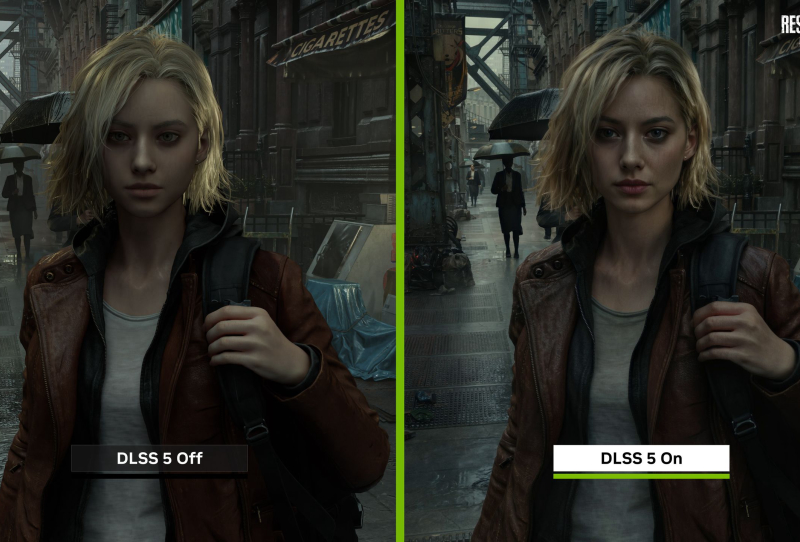
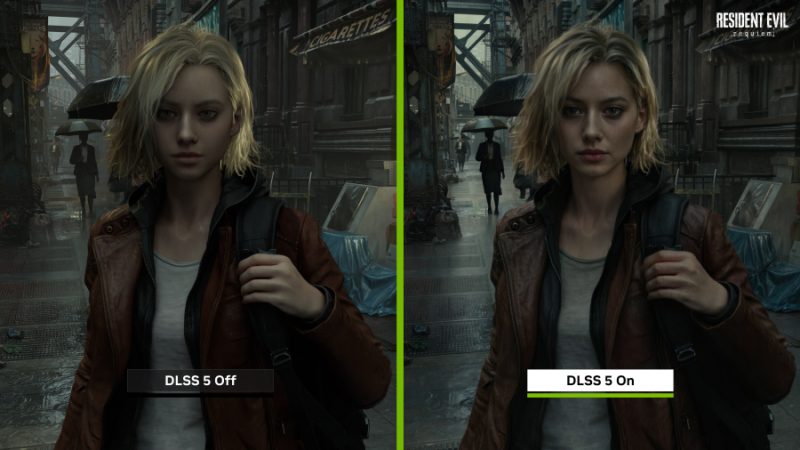
DLSS 5 is Nvidia’s next step in neural rendering, building heavily on frame generation and upscaling techniques already seen in DLSS 4.5. Rather than only reconstructing missing pixels or predicting frames, DLSS 5 leans much further into AI-driven image synthesis, producing results that look noticeably different from a native render. Several testers on the Discord server described the output as more photorealistic, though not everyone agreed it looked strictly better.
The problem is that Ampere silicon was never designed with this workload in mind. Getting acceptable frame rates typically means dropping in-game settings to their lowest presets and slashing rendering resolution, sometimes down to 720p, just to give the GPU enough headroom to handle the neural processing on top of everything else. It is a genuine balancing act between chasing DLSS 5’s visual upgrade and avoiding a slideshow.
The frame rate results are wildly inconsistent
Results shared across the RenoDX community and social media paint a messy picture. Some combinations of game and GPU produced playable, if unspectacular, frame rates. Others fell apart entirely, even on relatively capable cards.
| Game | GPU | Approximate FPS | Notes |
|---|---|---|---|
| Grand Theft Auto V | RTX 3080 Ti | 20-30 FPS | 1440p resolution |
| Dying Light 2 | RTX 3080 | ~40 FPS | Noticeably noisy image |
| Hogwarts Legacy | RTX 3090 | 30 FPS | – |
| Mortal Shell 2 | RTX 3080 Ti | 34 FPS | Visible shimmering |
| Ready or Not | RTX 3080 | 30 FPS | – |
| NBA 2K27 | RTX 3070 (mobile) | 25 FPS | DLAA at 1080p |
| Hogwarts Legacy | RTX 3070 | 2 FPS | Effectively unplayable |
| Deep Rock Galactic | RTX 3080 | 4 FPS | Down from 130+ FPS without DLSS 5 |
| Cyberpunk 2077 | RTX 3080 Ti | 7 FPS | Standard settings |
| Cyberpunk 2077 | RTX 3080 Ti | 41 FPS | 720p, ultra performance upscaling preset |
That last Cyberpunk 2077 result sums up the trade-off neatly. Reaching 41 FPS meant abandoning almost every shred of base image quality, relying entirely on the ultra performance upscaling preset at a reduced resolution. Push a game like Deep Rock Galactic through DLSS 5 without those sacrifices, and frame rates can crater from well over a hundred down to single figures.
Why older GPUs struggle so badly with DLSS 5
Nvidia hasn’t officially detailed DLSS 5, let alone confirmed a release window or a supported GPU list, so plenty of this remains educated guesswork pieced together by the modding community. What is clear is that the technology depends heavily on FP8 processing, a lower-precision numerical format that RTX 50-series Blackwell GPUs can read natively through dedicated hardware. Ampere and even Ada Lovelace cards lack that same native support, so running DLSS 5 on them likely means falling back to slower emulation paths that eat into performance far more aggressively than earlier DLSS versions ever did.
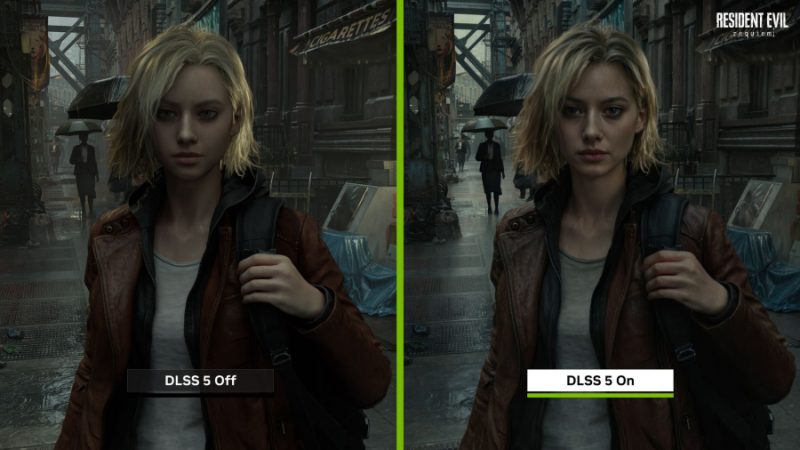
By comparison, DLSS 4.5 was built to scale gracefully as far back as the RTX 20-series, because its workload sat much closer to what those older tensor cores were designed to handle. DLSS 5 represents a bigger architectural leap, which explains why even a well-specced card like the RTX 3090 struggles to clear 30 FPS in some titles.
What this means for RTX 30-series owners
For anyone still running an Ampere card, this mod is more of a curiosity than a genuine upgrade path right now. The frame pacing penalties are severe, image noise and shimmering crop up regularly, and the settings compromises needed to get anything playable often defeat the purpose of turning DLSS 5 on in the first place.
There’s also a broader story here about how quickly sentiment shifts once new AI features arrive. Several people in the RenoDX community who were initially sceptical of DLSS 5 reportedly started weighing whether to sell their Ampere cards in favour of newer Blackwell hardware once they saw the neural rendering results, even in their rough current state. It’s a reminder that AI-driven features, however unpolished at launch, tend to become a genuine purchasing factor once players get hands-on with them.
Until Nvidia makes an official announcement, none of this is guaranteed to reflect how DLSS 5 will actually perform once it ships properly supported. For now, RTX 30-series owners curious about DLSS 5 Ampere GPUs support should treat it as an early, unstable preview rather than a reason to expect smooth gameplay anytime soon.