Polyarc Games shutting down has become the latest grim headline in a brutal year for game development, with the Seattle studio behind the beloved Moss series confirming it will cease operations from September 11, 2026. The announcement, posted to LinkedIn, brings an end to a 12-year run that produced some of the most acclaimed VR titles of the past decade.
The studio broke the news itself rather than waiting for it to leak, framing the closure as the natural end of a long creative journey rather than a sudden collapse. “After nearly 12 years riding the joyous rollercoaster of emotions that is making video games, our time together has come to an end,” Polyarc wrote. “As we wind down active development, we are saying our farewells to each other.”
Table of Contents
What Polyarc said in its farewell message
The tone of the announcement was warm rather than bitter, thanking staff and players alike for the ride. “Working together over all of these years has been an honour,” the post continued. “Bringing surprise and delight to those who played our games has been a privilege. Thank you to everyone at Polyarc, our work is now finished.”
Rather than simply closing the doors, Polyarc used its final public statement to help its people land on their feet. The post included a list of 29 names spanning artists, designers, animators, and engineers, explicitly encouraging other studios to reach out and hire them. It is a gesture that reflects how the team wanted to be remembered, even as the company itself disappears.
The Moss legacy that Polyarc leaves behind
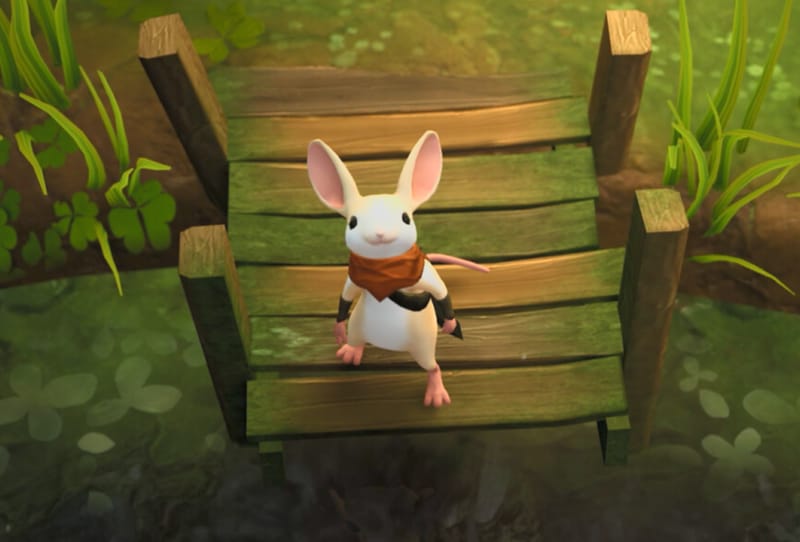
Polyarc’s entire output centred on one franchise, and it made that franchise count. Moss VR launched in 2018 starring Quill, a small mouse navigating a storybook world of puzzles and platforming, and it quickly became a showcase title for what virtual reality could do beyond shooters and tech demos. IGN awarded it 8.5/10 at launch, praising how “instantly likable” Quill and her world were.
The studio kept building on that foundation rather than chasing a different genre entirely, a rare kind of focus in an industry that often demands studios diversify or die.
| Title | Release Year | Format | IGN Score |
|---|---|---|---|
| Moss | 2018 | VR | 8.5/10 |
| Moss: Book 2 | 2022 | VR | 8/10 |
| Glassbreakers: Champions of Moss | 2023 | Tactical/non-VR | Not scored by IGN |
| Moss: The Forgotten Relic | July 2026 | Non-VR remake | 8/10 |
That final entry, a non-VR version of the original Moss and its sequel, arrived just two months before the shutdown was announced. Its release meant Polyarc’s work was finally reaching players without headsets, right before the studio closed for good.
A brutal year for studio closures
Polyarc’s closure does not happen in isolation. 2026 has already claimed a long list of respected developers, and the pattern shows no sign of slowing. PlayStation’s own Bluepoint Games and Dark Outlaw Games were shut earlier in the year, while Ubisoft confirmed studio closures in June. Netflix shuttered Oxenfree developer Night School just last month, GreedFall studio Spiders folded back in April, and Microsoft announced plans to cut 3,200 staff in July.
Seen against that backdrop, Polyarc’s closure fits an uncomfortable trend rather than standing as an isolated tragedy. Studios with genuine critical acclaim and a loyal following are proving just as vulnerable as anyone else when publishers tighten budgets and VR remains a niche within a niche.
What the closure means for VR gaming and its developers
Moss occupied a rare spot in the VR library: a game people actually recommended to newcomers as proof the format could deliver charm and craft, not just spectacle. Its loss removes one of the few consistent voices making narrative-driven, story-first content for headsets like PlayStation VR2, at a moment when the platform could use every credible release it can get.
For the 29 developers named in Polyarc’s farewell post, the immediate future is uncertain but not without options, given the studio’s public push to connect them with new employers. The wider concern is what this closure signals about appetite for VR-first projects generally. When a team with a genuinely good track record cannot sustain itself, other publishers may grow even more cautious about greenlighting similar work.
Polyarc’s own website, still active at the time of writing via Polyarc, stands as a quiet record of what the studio built. Whatever comes next for its former staff, the Moss series leaves behind a clear example of a small team doing focused, well-regarded work in a corner of gaming that rarely gets the spotlight it deserves.