Meta has unveiled its new Meta VR glasses, a controller-free headset that ditches hand controllers entirely and is claimed to be five times lighter than the existing Meta Quest 3. The device is set to arrive in the first half of 2027, marking one of the biggest design shifts in Meta’s virtual reality line since the original Quest launched.
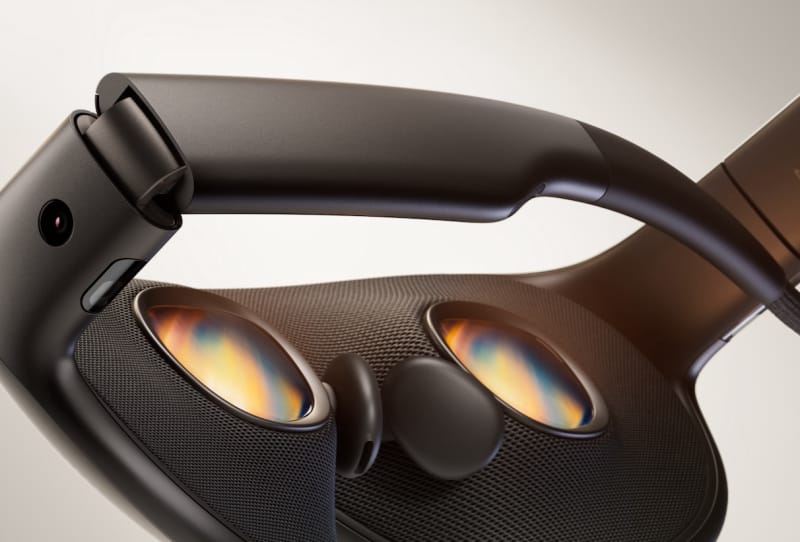
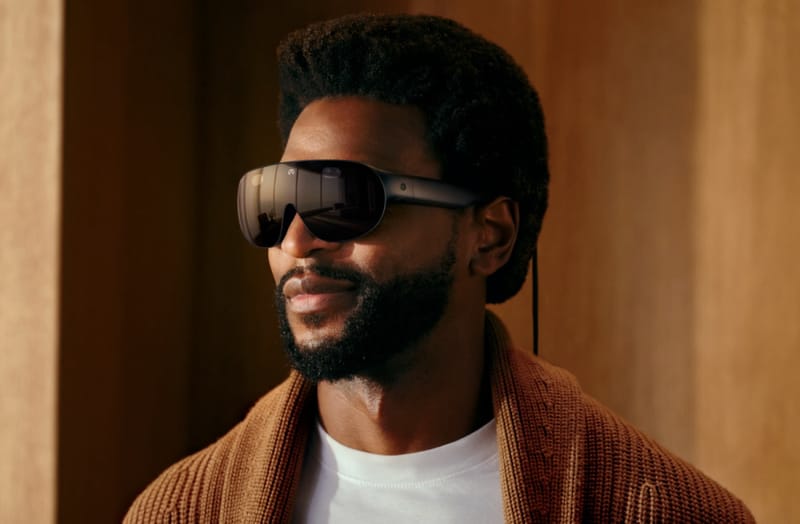
Rather than a bulky visor strapped to the head with hand controllers for navigation, Meta VR glasses take the shape of a slim pair of glasses with no straps or heavy hardware pressing on the face. Meta says this makes the device comfortable enough to wear for long stretches, whether that means gaming, watching a film, following a live sporting event, or working through everyday tasks.
Table of Contents
A radical redesign for high-end VR
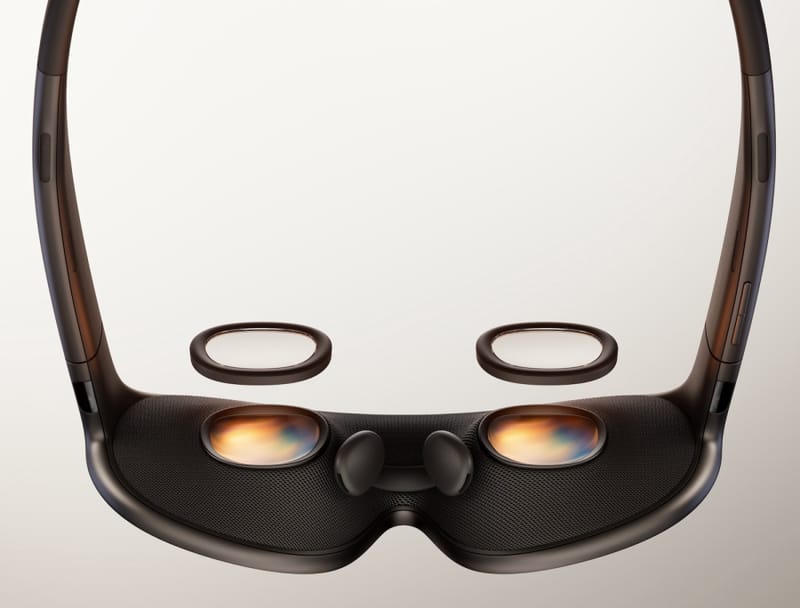
The headline change is the frame itself. Meta VR glasses are built from magnesium alloy, a material chosen for its strength and rigidity without adding bulk. That construction is central to how Meta has managed to shrink the device down from something resembling ski goggles to a form factor closer to ordinary eyewear.
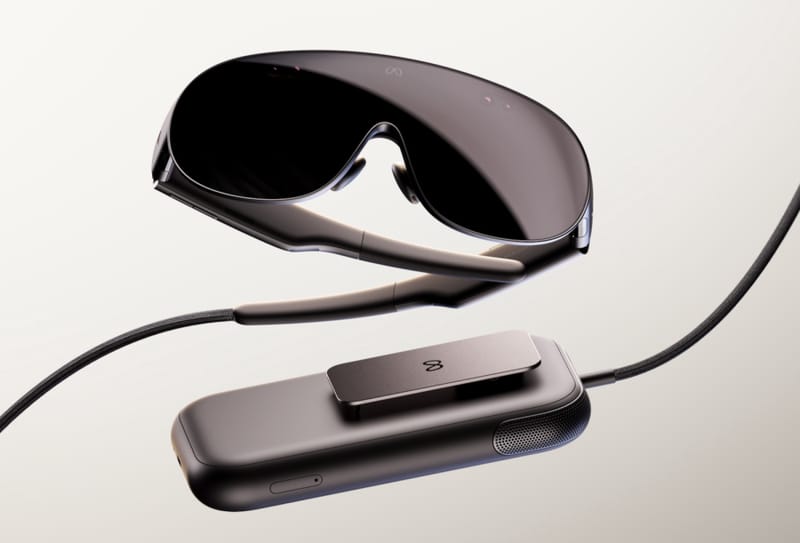
Because a slim frame leaves little room for a battery, storage, and a processor, Meta has moved all of that hardware into a separate, smartphone-shaped puck. The puck connects to the glasses through an optical tether, effectively splitting the compute and power load away from the part sitting on the user’s face. It is a similar philosophy to how some smart glasses and mixed-reality wearables handle weight distribution, though Meta’s implementation is aimed squarely at high-end VR experiences rather than lightweight AR overlays.
The result, according to Meta, is a headset that weighs a fraction of the Meta Quest 3, without sacrificing the kind of immersive gaming and entertainment experiences the Quest line has built its reputation on.
How the controller-free system works
The most significant functional change is the removal of hand controllers altogether. Instead of pointing a controller at a menu or pressing a physical trigger, users interact with Meta VR glasses simply by looking at an app icon or on-screen button. That gaze-based approach removes a layer of setup and hardware that has traditionally made VR feel clunky for newcomers.
Cutting controllers out also simplifies the getting-started process considerably. Anyone who has handed a Quest headset to a first-time user knows the awkward few minutes spent explaining which button does what. A system built around where someone is already looking sidesteps that entirely, which could make Meta VR glasses far more approachable for people who have never tried VR before.
It also signals where Meta expects the category to go next. Controllers work well for fast-paced games that need precise input, but for watching sport courtside, sitting through a film, or getting productivity work done, glancing at a menu is a far more natural motion than swinging a hand-held controller through the air.
Meta VR glasses versus Meta Quest 3
Meta has not published a full specification sheet alongside the announcement, but the contrast with its existing flagship headset is already stark based on what has been confirmed.
| Feature | Meta VR glasses | Meta Quest 3 |
|---|---|---|
| Form factor | Slim glasses, no straps | Full headset with strap |
| Weight | Around five times lighter | Standard Quest headset weight |
| Frame material | Magnesium alloy | Plastic composite |
| Input method | Gaze and gesture, no controllers | Hand controllers plus hand tracking |
| Compute location | External puck via optical tether | Onboard the headset |
| Availability | First half of 2027 | Currently available |
That external puck is the trade-off that makes the rest of the design possible. Splitting the compute hardware from the glasses is what allows Meta to claim such a dramatic reduction in on-head weight, even if it means carrying an additional component rather than a fully self-contained headset.
What it means for the VR market
Meta positioning this as a high-end product suggests it is not trying to replace the Quest 3 outright, but rather to open a new tier above it for buyers who want the lightest, most comfortable VR experience money can buy. That mirrors a broader trend across the wearable tech industry, where companies including Snap have been reworking hardware to look and feel less like a headset and more like a normal pair of glasses. Snap’s push of AR glasses into enterprise settings reflects the same underlying bet: that comfort and everyday wearability matter as much as raw processing power.
For gamers and early VR adopters, the shift away from controllers is the detail worth watching most closely. It changes how developers will need to design interaction for VR titles, and it raises questions about how precise gaze-based input can really be for fast-reflex games compared with a physical controller.
With a 2027 release window still some way off, Meta has time to refine both the hardware and the software experience before Meta VR glasses reach shelves. How well the puck-and-tether system holds up in daily use, and whether gaze navigation feels natural rather than fiddly, will likely determine whether this design becomes the new template for high-end virtual reality or a niche experiment.
Frequently asked questions
When will Meta VR glasses be released?
Meta has confirmed a launch window of the first half of 2027, though an exact release date has not yet been announced.
Do Meta VR glasses use hand controllers?
No. Meta VR glasses are controller-free, with users navigating menus and apps by looking at icons and buttons instead of using a handheld controller.
How much lighter are Meta VR glasses than the Meta Quest 3?
Meta says the new glasses are around five times lighter than the Meta Quest 3, thanks largely to their magnesium alloy frame and the decision to move the battery, storage and processor into a separate connected puck.
What can Meta VR glasses be used for?
Meta has highlighted gaming, cinematic viewing, watching live sport, and productivity tasks as core use cases for the new headset.