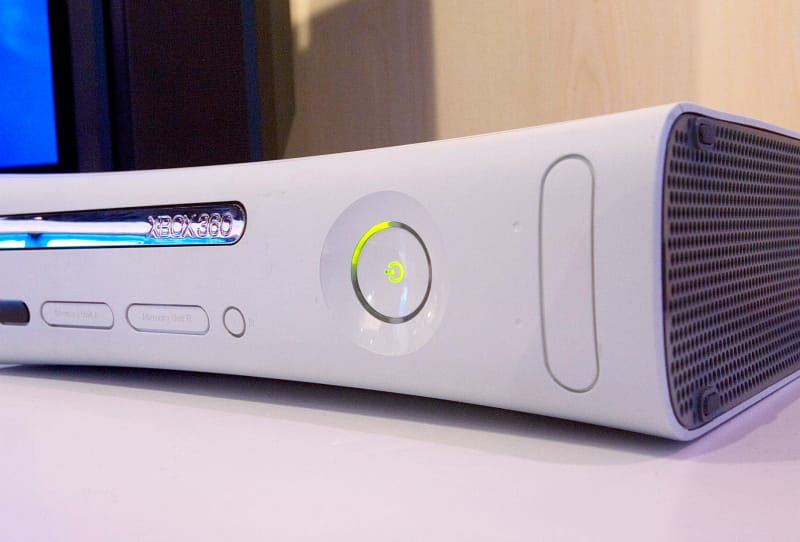
An Xbox 360 voltage glitch project nine years in the making has finally succeeded, with a hobbyist modder using an inexpensive Raspberry Pi Pico microcontroller to crack open the console’s CPU security and dump its internal NAND storage. The project revives a well-known chapter of console hacking history, proving that a tiny programmable chip can now do a job that once needed custom-built hardware.
Key takeaways
- ✓A modder has completed a nine-year Xbox 360 voltage glitch project to bypass the console's CPU security
- ✓The hack used an inexpensive Raspberry Pi Pico microcontroller instead of a dedicated glitch chip
- ✓The process dumps the console's NAND storage and flashes timing files to defeat CPU cryptography
- ✓The approach echoes the long-running Reset Glitch Hack (RGH) scene from the Xbox 360's active years
- ✓It highlights how cheap, programmable microcontrollers can now replace specialist hacking hardware
The mod cracks the Xbox 360 open both literally and figuratively. It involves physically opening the console’s case, wiring up the microcontroller to the motherboard, and using it to trigger a precisely timed voltage glitch during startup. That glitch briefly disrupts the CPU at exactly the right moment to slip past its cryptographic checks, a technique the Xbox 360 scene has long referred to as a reset glitch hack, or RGH.
According to accounts shared by hardware enthusiasts documenting the build, the process also dumps the console’s NAND storage and flashes custom timing files, which are needed to fine-tune exactly when the glitch fires relative to the CPU’s boot sequence. Getting that timing right, down to fractions of a second, is the difference between a working exploit and a bricked console, which helps explain why the project stretched across nine years of tinkering.
Table of Contents
How the Xbox 360 voltage glitch exploit actually works
The Xbox 360’s CPU checks a digital signature every time the console boots, confirming that only Microsoft-approved code is allowed to run. The reset glitch hack doesn’t break that cryptography in the conventional sense. Instead, it interrupts the chip’s power supply for a fraction of a second at a precisely chosen point in the boot process, causing the CPU to skip the step where it would normally reject unsigned code.
Pulling that off reliably requires extremely accurate timing hardware, because the glitch window is incredibly narrow. For years, the Xbox 360 modding community relied on dedicated glitch chips built around programmable logic devices to generate that signal. Those boards worked well, but they were fiddly to build and not something a casual tinkerer could put together from parts sitting in a drawer.
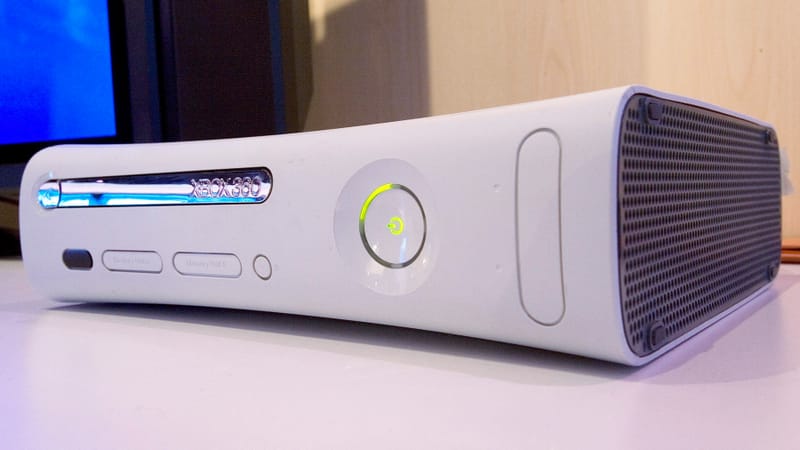
Once the glitch succeeds, the console can run unsigned code, which opens the door to dumping the NAND flash memory that stores the Xbox 360’s firmware and security keys. From there, a modder can extract the CPU key needed to decrypt that data and rebuild the console’s software stack around the exploit, effectively turning a retail Xbox 360 into a fully homebrew-capable machine.
Why a cheap Raspberry Pi Pico changes the equation
What makes this particular Xbox 360 voltage glitch project notable is the hardware behind it. Rather than a bespoke glitch chip, the modder leaned on a Raspberry Pi Pico, a credit-card-sized board built around the RP2040 microcontroller. The Pico includes programmable input and output blocks, commonly called PIO, that can generate and read signals with cycle-accurate precision entirely in software.
That capability is exactly what a voltage glitch attack demands. Instead of designing custom logic circuitry from scratch, the modder could program the Pico’s PIO state machines to fire the glitch at the right instant, then handle the NAND dumping and timing file flashing through the same small board. It’s a clear demonstration of how accessible, general-purpose hobbyist electronics have become capable of replacing tools that once required specialist knowledge of programmable logic design.
It also lowers the barrier to entry for anyone curious about console security research. A microcontroller that costs only a few dollars and plugs straight into a computer over USB is a far cry from the soldering and firmware work that early Xbox 360 glitch chips demanded, even if the underlying exploit logic is just as unforgiving of mistakes.
What it means for Xbox 360 owners and preservationists
Microsoft stopped manufacturing the Xbox 360 years ago, and official support for the console has long since wound down. For games preservationists and retro hardware enthusiasts, exploits like this remain one of the few ways to keep ageing consoles useful, whether that means running homebrew software, dumping game libraries for archival purposes, or simply keeping old hardware functional once official servers and updates disappear.
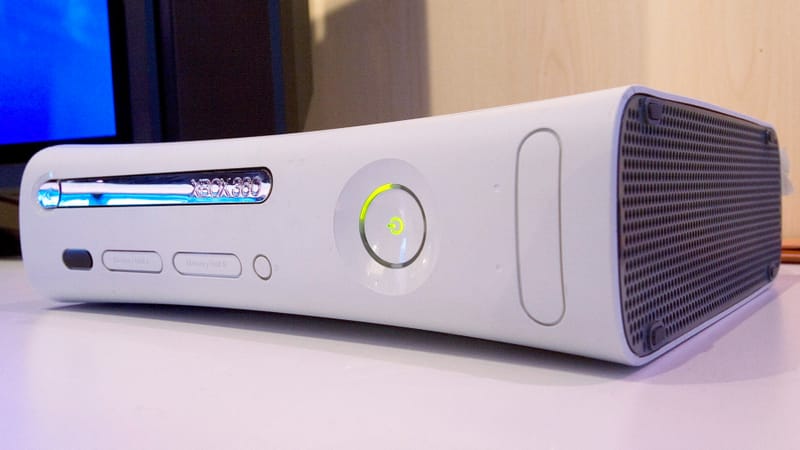
The RGH scene around the Xbox 360 has always sat in a grey area, since the same exploit that enables preservation and homebrew can also be used to run pirated software. That tension hasn’t gone away just because the hardware involved is cheaper and easier to source. What has changed is accessibility: a project that once needed a custom-built glitch chip can now be replicated with a widely available microcontroller board and a lot of patience.
For the broader modding community, the real takeaway is less about the Xbox 360 specifically and more about what it says of modern hobbyist tools. A nine-year side project reaching completion thanks to a cheap, flexible microcontroller suggests similar tricks could find their way into other console hacking efforts, wherever precise timing and signal generation are the main obstacle standing between a stock device and a fully unlocked one.
Frequently asked questions
What is the Xbox 360 reset glitch hack?
The reset glitch hack, or RGH, is a technique that briefly disrupts the Xbox 360’s power supply at a precise moment during startup, causing the CPU to skip its usual check for signed, Microsoft-approved software. It has been used by the modding community since the console’s active years to run unsigned code and homebrew software.
Why did this Xbox 360 voltage glitch project take nine years?
The glitch has to fire within an extremely narrow timing window during boot, and getting that timing wrong risks bricking the console. Refining a microcontroller-based approach to hit that window reliably, rather than relying on a dedicated glitch chip, took years of trial and error.
Is a Raspberry Pi Pico powerful enough for this kind of hack?
Yes. The Pico’s RP2040 chip includes programmable input and output hardware capable of generating and reading signals with precise, cycle-accurate timing in software, which is exactly what a voltage glitch attack requires.
Is modding an Xbox 360 this way legal?
Laws vary by country, and modifying a console someone personally owns is generally treated differently to using an exploit to run pirated software. Readers considering similar projects should research the rules that apply where they live before attempting any hardware modification.