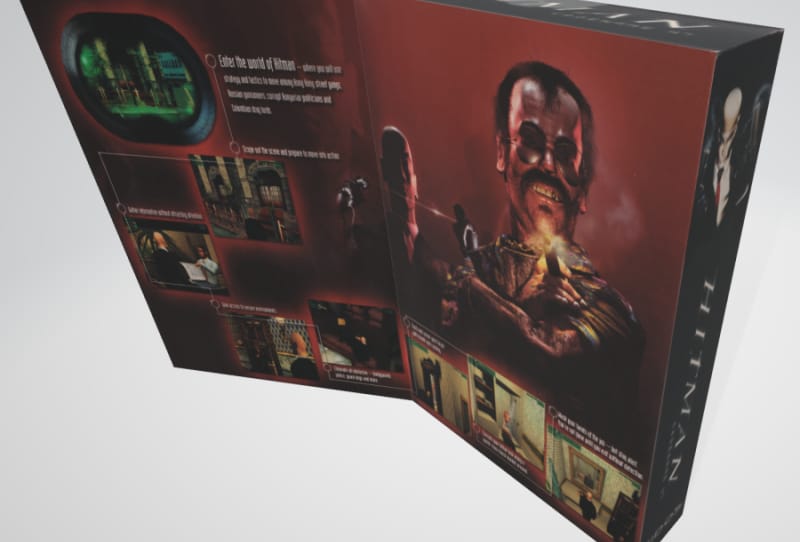
GOG physical PC games could be making a genuine comeback, with the DRM-free storefront confirming it is actively exploring ways to bring boxed PC releases back to store shelves. The idea runs directly against the grain of an industry where consoles keep edging closer to digital-only hardware, and it reflects GOG’s long-standing pitch that players should actually own the games they buy.
Key takeaways
- ✓GOG is exploring a return to physical PC games as part of its DRM-free mission.
- ✓The move runs opposite to PlayStation and Xbox, which keep pushing toward digital-only hardware.
- ✓Publisher approval and manufacturing logistics remain the biggest hurdles before any launch.
- ✓GOG's DRM-free catalogue already protects players from server shutdowns and lost licences.
- ✓No timeline, titles or pricing have been confirmed; the plan is still conceptual.
The storefront, owned by Polish developer and publisher CD Projekt, built its reputation on selling games free of digital rights management, meaning purchases aren’t tied to always-on activation servers or accounts that can vanish overnight. Reviving physical releases would extend that philosophy into the physical world, giving collectors and cautious buyers a disc or cartridge they can hold, lend, resell or store away for decades.
Table of Contents
What GOG is actually proposing
GOG hasn’t announced a finished product, a release date or a list of titles. Instead, the company has signalled that physical PC games are an area it wants to revisit, acknowledging publicly that the concept is still in an exploratory phase. That distinction matters: this is a stated intention to investigate feasibility, not a confirmed launch.
It’s a notable shift in direction given how thoroughly the PC games market has gone digital over the past fifteen years. Physical PC releases largely disappeared as broadband made downloads practical and retailers shrank their PC gaming shelf space in favour of console titles. GOG re-entering that space would be swimming against a current that has been flowing one way for well over a decade.
Why physical media still matters to players
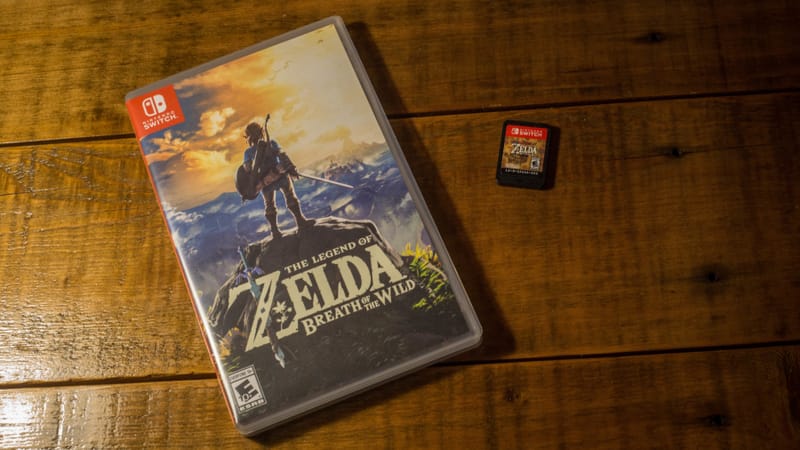
The appeal isn’t nostalgia alone. Physical copies offer practical advantages that digital storefronts can’t always match, particularly around long-term access and resale value. A disc doesn’t disappear if a publisher delists a title or a storefront shuts down, and it doesn’t rely on a server staying online to verify a licence.
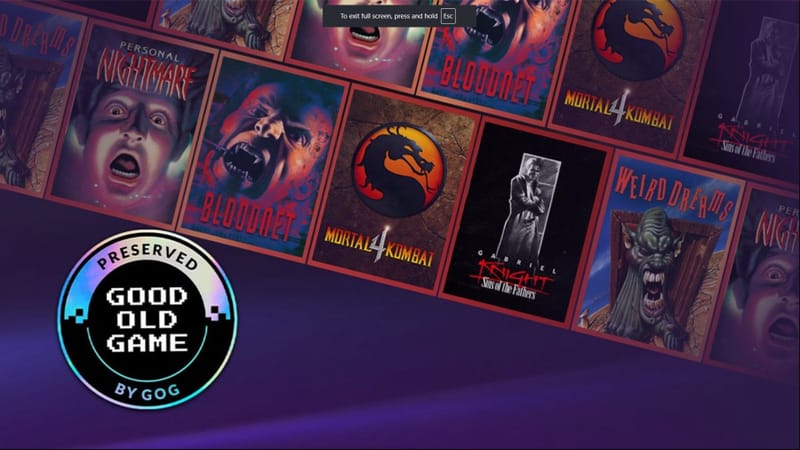
That’s precisely the gap GOG has built its identity around. Its DRM-free catalogue already lets players install games without phoning home to an authentication server, and many of its releases include offline installers specifically so owners can keep playing even if GOG itself were to disappear one day. Physical releases would simply be the logical extension of that promise, giving players a tangible backup that exists entirely outside any company’s infrastructure.
The timing also lines up with growing frustration over console manufacturers trimming physical options. Recent PlayStation hardware revisions have leaned toward digital-first hardware, and rumours have repeatedly suggested Microsoft’s next Xbox generation could drop discs altogether. GOG positioning itself as the platform still willing to sell a box with a disc inside sets up a clear point of difference at a moment when that option is quietly disappearing elsewhere.
The logistics and publisher hurdles standing in the way
Reviving physical PC games isn’t as simple as pressing discs and shipping them out. GOG would need publishers to sign off on manufacturing and distributing boxed copies of their games, and many publishers may be reluctant given how small the physical PC market has become compared to console retail or digital download sales.
There are also real supply chain questions to solve: manufacturing runs, packaging design, retail or direct-to-consumer distribution, and warehousing all cost money that a purely digital storefront doesn’t currently spend. GOG would effectively need to rebuild infrastructure the PC industry largely dismantled years ago, and do it at a scale small enough to be viable for a niche but passionate audience.
| Consideration | Digital-only release | Physical release |
|---|---|---|
| Access if storefront closes | At risk | Preserved |
| Resale or lending | Not possible | Possible |
| Manufacturing and logistics cost | None | Significant |
| Publisher approval needed | Standard listing | Additional sign-off required |
Those hurdles explain why GOG is framing this as exploration rather than a committed roadmap. Getting enough publishers on board to make a physical catalogue worthwhile, while keeping costs sane for a market this small, is a genuinely difficult balance to strike.
What it means for PC gamers and the industry
If GOG pulls this off, it would give PC players an option that has been effectively absent for years: a legitimate, DRM-free physical release channel backed by a storefront with real publisher relationships. That matters most to collectors, archivists and anyone wary of relying entirely on cloud accounts for games they’ve paid full price for.
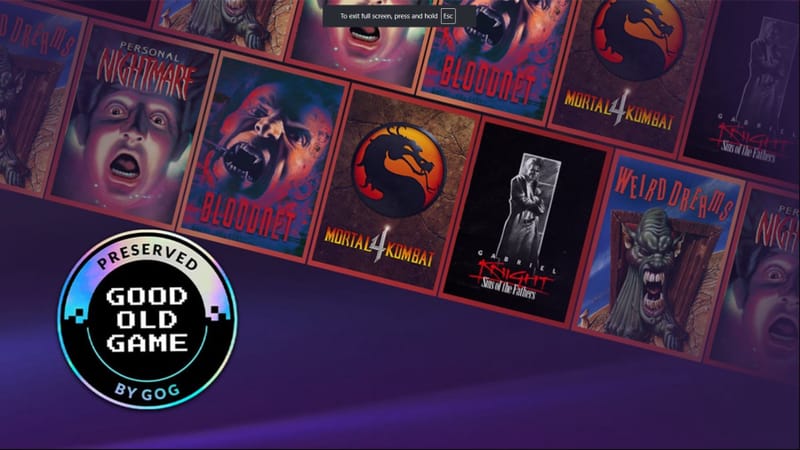
It would also reinforce GOG’s role as a counterweight to broader industry trends. While major platforms increasingly nudge players toward subscriptions, cloud streaming and digital-only libraries, GOG has built a smaller but loyal audience around ownership and permanence. That ethos lines up closely with wider concerns across the gaming world about the game preservation community’s ongoing work to keep older titles playable long after their original release.
The broader preservation conversation isn’t limited to official channels, either. Communities have gone to considerable lengths to keep games alive through projects like fan-made PC ports of cancelled or delisted games and efforts aimed at running console exclusives on PC without emulation. A publisher-backed physical PC release program from GOG would sit alongside that grassroots work as a more official, sustainable answer to the same underlying worry: that digital ownership is more fragile than it looks.
For now, nothing is locked in. GOG has made clear this is a direction it wants to investigate rather than a product it is ready to ship, and real progress will depend on how many publishers are willing to back a physical PC market that retail largely walked away from years ago.
Frequently asked questions
Has GOG confirmed physical PC games are coming back?
No. GOG has only said it is exploring the idea, without confirming a release date, specific titles or pricing. The concept is still in an early, exploratory stage.
Why is GOG interested in physical releases now?
GOG has built its reputation on selling DRM-free games that don’t depend on online activation. Physical copies extend that same philosophy, giving players a backup that works even if a storefront or server eventually disappears.
Is this related to consoles going digital-only?
It’s connected in spirit. As PlayStation and Xbox hardware increasingly moves toward digital-first or digital-only models, GOG’s interest in physical PC releases offers players an alternative path that keeps ownership tangible.
What’s stopping GOG from launching physical games immediately?
Publisher approval is the main obstacle, alongside the practical costs of manufacturing, packaging and distributing physical copies for a market that has shrunk significantly since digital downloads became standard on PC.