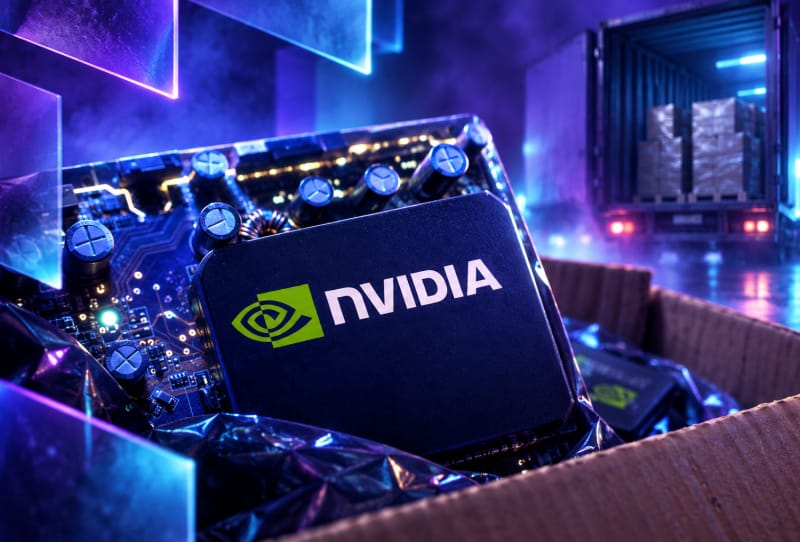
A worsening GPU VRAM shortage is making it harder, and pricier, for PC gamers to find graphics cards with enough memory to run modern games comfortably. The squeeze is not coming from gaming demand at all. It is being driven by artificial intelligence data centres hoovering up the same memory chips that go into consumer GPUs, leaving less supply and higher prices for everyone building or upgrading a gaming rig in 2026.
Key takeaways
- ✓AI data centre demand is consuming the memory chip supply that gaming GPUs rely on
- ✓Entry-level graphics cards still ship with 8GB of VRAM, but that is now considered the bare minimum
- ✓12GB is the realistic floor for smooth 1440p gaming, with 16GB or more preferred for 4K
- ✓Memory makers are prioritising AI customers, pushing GDDR and DRAM prices higher for everyone else
- ✓Gamers should expect tighter graphics card stock and higher prices on VRAM-heavy models through 2026
Graphics cards have always varied in how much video memory they carry, and the same GPU often ships in two flavours, a cheaper version with less VRAM and a pricier one with more. Memory capacity on its own does not determine performance either. Nvidia’s RTX 5060 Ti ships with 16GB of memory, yet the RTX 5070 Ti, with just 12GB, still outperforms it by a wide margin in most games. VRAM is simply dedicated memory on the card itself, used to hold textures, lighting data and other assets the GPU needs instantly as it renders a frame. The less of it there is, or the more expensive it becomes, the more that trade-off starts to matter for buyers.
Table of Contents
Why AI Demand Is Draining GPU Memory Supply
Modern AI accelerators consume enormous amounts of high-bandwidth and conventional memory, and chipmakers like Samsung, SK Hynix and Micron have been shifting production capacity toward the fatter margins that AI customers pay. That reallocation has a knock-on effect on GDDR and DRAM destined for consumer graphics cards, since the same fabs and the same raw wafer supply are being split between two very different markets.
Micron is reportedly developing near-GPU NAND flash for AI chips, a move aimed squarely at feeding data centre demand rather than gaming hardware. Meanwhile, Intel’s reported 480GB AI GPU skips GDDR7 entirely in favour of LPDDR5X, a workaround that still competes for the same broader memory manufacturing capacity gaming GPUs depend on. Even Nvidia’s RTX Pro 5500 workstation card leans toward AI-friendly memory configurations over the kind of gaming-focused tuning enthusiasts are used to seeing from the company.
The result is a supply chain stretched thin in multiple directions at once. Memory that would once have gone cheaply into mainstream gaming GPUs is instead being bid up by companies building AI infrastructure, and that pressure eventually reaches retail shelves in the form of higher prices and tighter stock on VRAM-heavy cards.
How Much VRAM Gaming Actually Needs in 2026
Despite the shortage, baseline VRAM expectations for PC gaming have not really dropped, they have simply become harder to meet affordably. Eight gigabytes remains the entry point most budget cards still ship with, and it is enough for plenty of games at 1080p. Capcom’s Pragmata recommends 8GB of VRAM for 1080p play, and Gears of War: E-Day runs acceptably at the same resolution with that amount of memory. Competitive titles such as Counter-Strike 2, Valorant and Fortnite are also light enough that 8GB rarely becomes a bottleneck.
| VRAM capacity | Typical use case | Notes |
|---|---|---|
| 8GB | 1080p, competitive and lighter titles | May require lowering texture or shadow settings in demanding games |
| 12GB | 1440p gaming | Realistic floor for smooth performance at this resolution |
| 16GB or more | 4K gaming | Preferred for high-resolution textures and ray tracing workloads |
Once ray tracing and higher-resolution textures enter the picture, that 8GB ceiling starts to show its limits quickly. Players on tighter memory budgets often lean on upscaling technology like DLSS or FSR to compensate, trading a little image fidelity for smoother frame rates rather than running out of VRAM mid-session.
What the Shortage Means for Gamers Right Now
For anyone shopping for a graphics card in the current climate, the practical impact of the GPU VRAM shortage is straightforward: expect less choice and more compromise. Stock shortages have already pushed some buyers back to older RTX 3060 cards simply because newer, higher-memory options are harder to find at a reasonable price. That trend is likely to continue as long as AI data centres keep absorbing memory supply faster than manufacturers can expand production.
It also means the usual advice about buying enough VRAM for the resolution a gamer plays at carries more weight than usual. A 12GB card bought today may be the only realistic option at a given budget for months, rather than one choice among several. Buyers planning a 4K build should expect to pay a premium for 16GB-plus cards, and should factor in that availability, not just price, is the bigger variable this time around.
None of this is unique to graphics cards either. Rising AI memory demand is already reshaping storage markets too, with hard drive makers like Toshiba ramping up output to meet AI-driven demand elsewhere in the supply chain. The broader lesson for PC builders is that component shortages in 2026 are increasingly a side effect of the AI boom, not a gaming-specific problem, and that is unlikely to change until memory manufacturers meaningfully expand capacity.
Frequently asked questions
Why is there a GPU VRAM shortage in 2026?
AI data centres are consuming large volumes of the same GDDR and DRAM memory chips used in consumer graphics cards, and manufacturers have shifted production capacity toward the more profitable AI market, leaving less supply for gaming GPUs.
How much VRAM do I need for 1440p gaming?
Twelve gigabytes is generally considered the realistic minimum for smooth 1440p gaming in 2026, especially in newer titles with detailed textures or ray tracing enabled.
Is 8GB of VRAM still enough for gaming?
Eight gigabytes remains workable for 1080p gaming and competitive titles like Counter-Strike 2 or Valorant, but it often requires lowering texture or shadow settings in more demanding single-player games.
Will GPU prices keep rising because of the memory shortage?
As long as AI companies keep prioritising memory chip supply, gaming graphics cards with higher VRAM capacities are likely to stay expensive and harder to find, particularly at the 16GB-and-above tier.