Take-Two Interactive has wiped out more than 3,000 GitHub repositories connected to unofficial GTA 6 PC port projects, in one of the largest coordinated DMCA takedown campaigns the gaming world has seen in years. The company removed 3,007 repositories in total, targeting code, tools and documentation that fan developers had used to try to get Grand Theft Auto 6 running on Windows machines well before Rockstar Games has confirmed any PC version exists.
Key takeaways
- ✓Take-Two Interactive filed DMCA notices removing 3,007 GitHub repositories linked to GTA 6 PC port projects.
- ✓Several fan projects had reportedly managed to get the game running on PC, albeit at low frame rates.
- ✓AI-assisted reverse engineering and decompilation tools have made unofficial ports easier to attempt than in past generations.
- ✓Rockstar has not announced an official GTA 6 PC version, following a pattern of long console-to-PC delays.
- ✓The takedown highlights ongoing tension between publishers protecting IP and communities building unofficial ports.
The scale of the sweep is what sets it apart. Rather than chasing down a handful of high-profile leaks, Take-Two’s legal team appears to have gone after an entire ecosystem of forks, mirrors and derivative tools that had sprung up around the project. Some of those repositories reportedly belonged to builds that had made genuine technical progress, with a handful of projects claiming they could get the game running on PC, even if only at low and unstable frame rates.
Table of Contents
What triggered the GTA 6 PC port crackdown
Grand Theft Auto 6 has not been officially announced for PC. Rockstar has confirmed console versions only, leaving a gap that enterprising developers have tried to fill themselves. Because the game’s internal files and assets have circulated informally since earlier leaks, hobbyists have had enough raw material to attempt reverse engineering, essentially rebuilding the pieces needed to run console code on a PC architecture.
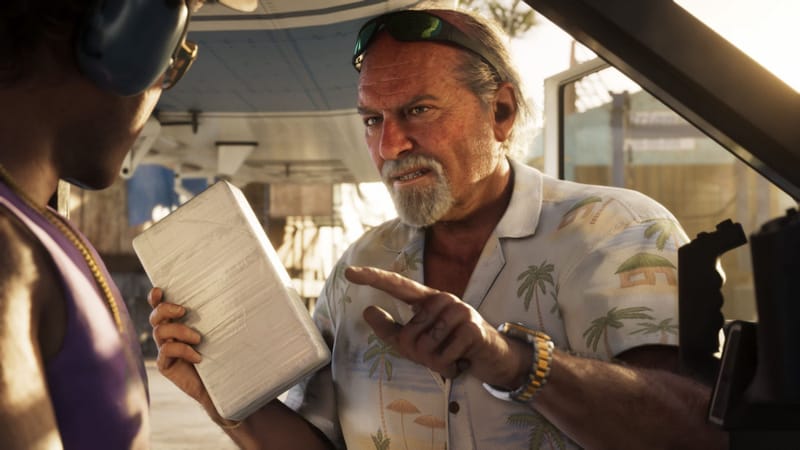
That kind of unofficial porting work sits in a legal grey area at best. Even when a project does not distribute copyrighted game assets directly, the underlying code and engine logic it reconstructs still belongs to the publisher. Take-Two’s takedown notices treat the repositories as unauthorised derivative works, which is standard grounds for a DMCA claim under United States copyright law, and GitHub’s compliance process means hosts are obligated to pull flagged content quickly once a valid notice is filed.
AI tools are changing how fast these ports appear
What makes this wave different from earlier leak-driven scrambles is the toolset behind it. Modern AI-assisted decompilation and code analysis tools have lowered the barrier for reverse engineering a commercial game engine, letting small teams of hobbyists do work that once required specialist reverse engineers. That has accelerated how quickly unofficial GTA 6 PC port attempts have gone from theoretical to functional, even at a rough, unoptimised stage.
It also explains why a takedown this large was necessary in the first place. A single cease-and-desist letter to one developer does little when dozens of forks of the same codebase are already circulating. By targeting thousands of repositories simultaneously, Take-Two is trying to collapse the entire network at once rather than play whack-a-mole with individual uploads, though history suggests determined communities tend to re-host removed material elsewhere within days.
How this compares with past Grand Theft Auto releases
Unofficial porting attempts are not new to the Grand Theft Auto franchise. Grand Theft Auto 5 eventually arrived on PC, but players waited roughly a year and a half after the console launch for an official release, and that gap fuelled plenty of fan speculation and modding activity in the meantime. Rockstar’s cautious, console-first release strategy has historically left room for exactly this kind of unauthorised fan activity to fill the silence.
The difference this time is the sheer appetite surrounding Grand Theft Auto 6. It is one of the most anticipated game releases in years, and the lack of a confirmed PC version, combined with no official timeline for one, has left PC players with few legitimate options beyond waiting. That demand is precisely what has pushed so many developers to attempt their own builds rather than sit on the sidelines.
What it means for players and the wider industry
For PC gamers hoping to play Grand Theft Auto 6 early, the takedown is a clear signal that Take-Two intends to protect its intellectual property aggressively, regardless of how far a fan project has progressed technically. Even builds that ran the game at low frame rates were not spared, which suggests the publisher is treating any unauthorised derivative as a threat worth pursuing, not just fully playable copies.
The broader industry implication is more about precedent than this single case. As AI-assisted tools make reverse engineering and decompilation faster and more accessible, publishers are likely to face more of these grassroots porting efforts across other unreleased or console-exclusive titles. Expect legal teams at major studios to keep monitoring code-hosting platforms closely, and expect determined fan communities to keep testing how far they can push before the next takedown notice lands.
Frequently asked questions
Is there an official GTA 6 PC port?
No. Rockstar Games has only confirmed console versions of Grand Theft Auto 6. No official PC release date, specifications or storefront listing have been announced.
Why did Take-Two remove so many GitHub repositories at once?
Take-Two filed DMCA takedown notices covering 3,007 repositories linked to unofficial GTA 6 PC port projects, arguing the reverse-engineered code and tools amounted to unauthorised derivative works of its copyrighted game.
Could these unofficial ports actually run the game?
Some projects reportedly reached a playable state, with the game running on PC at low and inconsistent frame rates, though none represented a finished or stable experience comparable to an official release.
When might an official GTA 6 PC version arrive?
Rockstar has not confirmed a PC release. Based on the roughly eighteen-month gap between the console and PC launches of Grand Theft Auto 5, PC players should expect a similar wait after the console version ships.