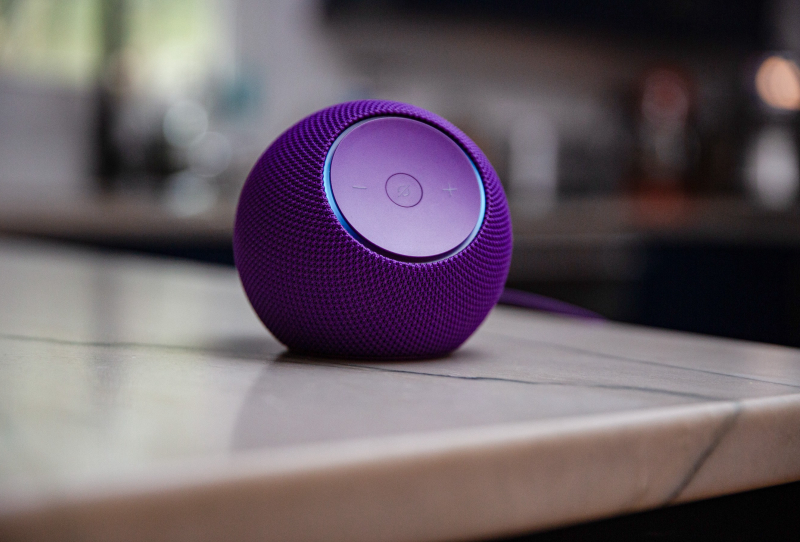
The Amazon Echo price increase confirmed this week extends well beyond the smart speaker line, with Fire TV streaming devices, Kindle e-readers and Eero routers all becoming markedly more expensive. Amazon has pointed to rising memory and storage component costs as the reason, in a move that mirrors similar pressure already felt across the wider consumer electronics industry.
The changes were first reported by Fortune before Amazon confirmed them directly to The Verge. Kristy Schmidt, senior communications manager for Amazon’s Devices & Services division, said the company had been absorbing higher component costs “for as long as we could” before adjusting prices across its hardware lineup. Amazon has not detailed exactly how much each device category will rise, but the company confirmed the increases apply broadly rather than to a single product line.
Table of Contents
What’s Behind the Amazon Echo Price Increase
Memory and storage chips sit inside almost every piece of consumer electronics, from smart speakers to laptops, and their cost has climbed sharply over the past year. Demand for DRAM and NAND flash has surged as data centre operators buy up capacity to build out artificial intelligence infrastructure, leaving less supply for everyday gadgets. Chipmakers have responded by raising wholesale prices, and those increases eventually flow through to finished products.
Amazon is far from alone in facing this squeeze. Laptop makers, phone manufacturers and other smart home brands have all flagged rising component costs in recent earnings calls and investor updates. What makes the Amazon Echo price increase notable is the sheer breadth of the company’s hardware catalogue. Because Amazon builds everything from budget e-readers to mesh routers, a single component cost rise touches an unusually wide range of products at once.
Which Devices Are Affected
The price rise is not limited to one or two flagship products. It touches almost every major hardware category Amazon sells directly to consumers, including devices launched fairly recently as well as long-running product lines.
| Product line | Affected by increase | Context |
|---|---|---|
| Echo smart speakers | Yes | Amazon’s core smart home and voice assistant hardware |
| Fire TV streaming devices | Yes | Includes sticks and set-top boxes across the current range |
| Kindle e-readers | Yes | Long-running e-ink reading device line |
| Eero mesh routers | Yes | Networking hardware Amazon acquired in 2019 |
Amazon has indicated existing customers who already own these devices are not affected retroactively. The change applies to new purchases going forward, meaning the practical impact will be felt most by anyone planning to buy or replace one of these devices in the near term.
How This Compares to Amazon’s Usual Pricing Strategy
Amazon has historically priced its hardware close to cost, sometimes even at a loss, treating devices like Echo speakers and Fire TV sticks as a gateway into its wider ecosystem of Prime subscriptions, advertising and voice commerce. That strategy helped Amazon undercut rivals such as Google’s Nest speakers and Apple’s HomePod on price, even when the underlying hardware was broadly comparable.
A sustained increase in component costs disrupts that formula. Where Google and Apple have generally kept smart home hardware pricing relatively stable and instead leaned on higher margins from premium models, Amazon’s low-margin approach leaves it more exposed when chip costs rise. The Amazon Echo price increase suggests the company is no longer willing to absorb that pressure indefinitely, a shift that could signal a broader recalibration of how it prices entry-level hardware going forward.
What It Means for Buyers and the Smart Home Market
For shoppers, the immediate implication is straightforward: devices in these categories will cost more from now on. Anyone weighing up a new Echo speaker, a Fire TV upgrade, a Kindle or an Eero mesh system should expect to pay above the previous going rate, even though Amazon has not published exact figures for each model.
There is a wider industry angle too. If memory and storage costs keep climbing, other smart home and streaming device makers are likely to follow with their own adjustments, rather than absorb the hit themselves. Eero in particular operates in a competitive mesh Wi-Fi market alongside Google Nest Wifi and TP-Link, so any pricing shift there will be watched closely by rivals and buyers comparing options.
None of this changes what these devices do or how they perform. It does, however, mark a departure from the aggressive, subscription-subsidised pricing that helped Amazon dominate the smart speaker and streaming stick categories in the first place. Whether that approach holds as component costs stay elevated will shape how competitive Amazon’s hardware remains against rivals over the next generation of devices.