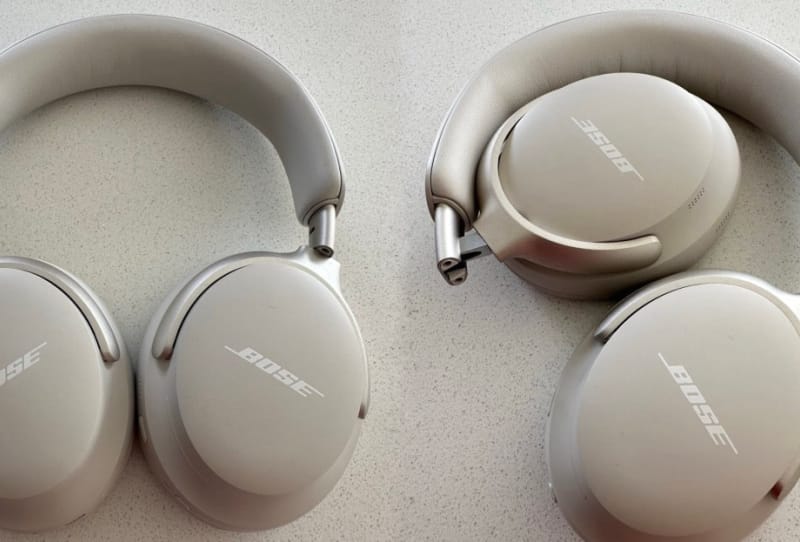
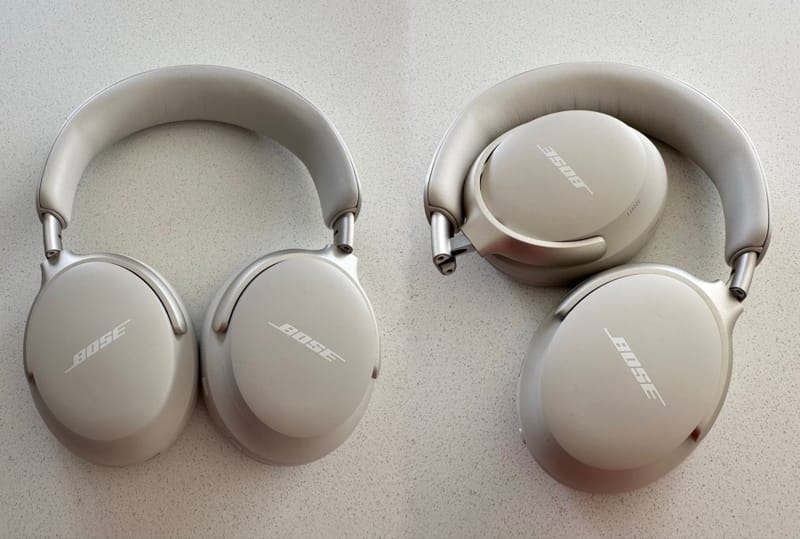
Bose Auracast support has arrived for the first time, rolling out as a beta feature on the QuietComfort Ultra Headphones Gen 2 through a new firmware update. The $449 flagship headphones are the first product in Bose’s lineup to gain Bluetooth LE Audio and Auracast broadcasting, a feature that lets one device stream sound to an unlimited number of compatible headphones or speakers at once.
Key takeaways
- ✓Bose Auracast support is now in beta on the QuietComfort Ultra Headphones Gen 2 via firmware 10.12.12.
- ✓It is the first Bose headphone to support Bluetooth LE Audio and Auracast broadcasting.
- ✓Auracast lets one device stream audio to unlimited compatible headphones at once, useful in airports, gyms and at home.
- ✓Sony, JBL, Samsung and Sennheiser already offer Auracast on select headphones and earbuds.
- ✓Bose says the original QC Headphones Gen 2 should receive the beta firmware next.
The update, labelled firmware 10.12.12, has been trickling out over the past few weeks according to Bose. Alongside Auracast, it brings improved audio over wired USB connections, better balance controls for mixing game audio with voice chat, and smoother compatibility with web conferencing software. Bose has not said when the beta tag will be dropped, but the addition puts one of the biggest names in headphones squarely on the Auracast map.
Table of Contents
What Bose Auracast support actually changes
Auracast works differently to a standard Bluetooth pairing. Instead of connecting one phone to one set of headphones, it lets a single source broadcast audio publicly, and any nearby device with Auracast support can tune in, much like scanning for a Wi-Fi network. With Bose Auracast support now live on the QuietComfort Ultra Headphones Gen 2, owners can join these public broadcasts wherever venues have adopted the tech.

Practical uses include picking up gate announcements at an airport without missing other ambient sound, following a talk at a conference, or listening to a gym television without needing its dedicated audio channel. At home, Auracast also has quieter applications, such as watching television late at night without waking anyone else, since some Samsung and LG televisions already have broadcasting buried in their settings menus. It doubles as an accessibility tool too, letting someone with hearing difficulties get a clearer, more direct feed straight from the source.
Why the feature has taken so long to catch on
The Bluetooth Special Interest Group announced Auracast back in 2022, but take-up among headphone makers has been slow and patchy. Consumers cannot use the feature unless both their headphones and the broadcasting venue support it, which has left the technology stuck in a chicken-and-egg situation for years. Bose joining the list of supported brands is a meaningful step because of how widely recognised its headphones are outside of dedicated audio enthusiast circles.
Only a handful of major manufacturers have shipped Auracast so far, and usually only on select models rather than an entire range. Sony added it to the WF-1000XM5 and WH-1000XM6, JBL has it on select headphones, Samsung supports it on Galaxy Buds models, and Sennheiser released a dedicated Auracast transmitter accessory this year. Smaller brands such as EarFun have also added support. Bose’s move brings extra credibility to the format, since its headphones sell well beyond the audiophile crowd that tends to follow emerging Bluetooth standards closely.
How the major Auracast headphone brands compare
| Brand | Auracast status | Notes |
|---|---|---|
| Bose | Beta, QuietComfort Ultra Gen 2 only | First Bose headphone with the feature |
| Sony | Live | WF-1000XM5 and WH-1000XM6 |
| JBL | Live on select models | Included on newer over-ear headphones |
| Samsung | Live | Select Galaxy Buds generations |
| Sennheiser | Live via accessory | Dedicated Auracast transmitter released this year |
| EarFun | Live on select models | Smaller brand, early adopter |
What comes next for Bose owners
A Bose spokesperson told journalists that the earlier QC Headphones Gen 2, a separate and more affordable model to the Ultra, should be next in line to receive the beta firmware. That suggests Bose intends to spread Bluetooth LE Audio and Auracast support across more of its catalogue rather than keeping it exclusive to the flagship model, which would meaningfully expand the number of Auracast-capable headphones in everyday use.
For anyone currently weighing up a premium pair of headphones, Bose Auracast support is a reason to pay closer attention to firmware roadmaps rather than just specs sheets at the point of purchase. As more airports, gyms, and public venues install Auracast transmitters, headphones without the feature will increasingly miss out on conveniences that cost nothing extra to use once the hardware supports it. Given how slowly the format has spread since 2022, Bose’s entry could be the push that convinces other holdout brands to follow.
Frequently asked questions
What is Auracast on Bose headphones?
Auracast is a Bluetooth broadcasting standard that lets the QuietComfort Ultra Headphones Gen 2 receive an audio stream from any compatible public or personal source, rather than pairing exclusively with one device.

How do I get the Bose Auracast update?
The beta firmware, version 10.12.12, rolls out automatically through the Bose Music app. Owners should check the app’s settings menu and install any available update to enable Bluetooth LE Audio and Auracast.
Will other Bose headphones get Auracast support?
Bose has said the QC Headphones Gen 2 is next in line for the beta firmware, and the company has indicated it plans to extend the feature to more products over time.
Do I need special equipment to use Auracast in public?
No extra hardware is needed on the headphone side once the firmware is installed, but the venue or device broadcasting the audio, such as an airport screen or a television, must also support Auracast transmission.