
Linux gaming has undergone one of the most significant evolutions in PC history. What once required deep technical knowledge, hours of manual tweaking and limited game support has transformed into a smooth, fully featured gaming environment that rivals traditional platforms. Thanks to rapid developments in Proton, Vulkan and the open-source graphics ecosystem, Linux has become a powerful and reliable choice for both newcomers and long-time PC gamers.
Much of this momentum can be credited to Valve. The launch of the Steam Deck marked a major turning point, proving that Linux could deliver a console-like experience while running a massive library of Windows titles with minimal friction. Players could simply install a game and press play, without worrying about drivers, configuration files or compatibility layers. This shift in accessibility pushed Linux gaming into mainstream awareness and opened the door for an entirely new audience.
With Valve’s upcoming Steam Machine now on the horizon, interest in Linux gaming is stronger than ever. Improved game compatibility, rapid updates to open-source drivers, and the growing number of developers testing their titles on Linux have created a landscape where performance is often equal to or better than Windows. The platform’s low overhead, lightweight design and complete user control provide a gaming environment that feels faster, cleaner and more efficient. In 2025, Linux gaming is no longer experimental. It is ready for the spotlight.
The Steam Deck Effect: How Valve Made Linux Gaming Mainstream

The release of the Steam Deck fundamentally reshaped the trajectory of Linux gaming. Before its arrival, Linux was often viewed as a capable but fragmented platform that required patience, research and trial-and-error to get the most out of it. Proton existed, but its adoption was slow and largely driven by a dedicated community rather than major industry players. The Steam Deck changed everything by placing a polished, console-like Linux system into millions of hands and proving that compatibility and ease of use were no longer barriers.
At the centre of this shift was Proton, Valve’s compatibility layer that translates Windows game instructions into Linux-friendly operations. While Proton had been in development for several years, it was the constant feedback loop created by the Steam Deck’s massive user base that accelerated its maturity. Games that were once inconsistent or launched with quirks began to show improved stability, better performance and fewer workarounds. Developers noticed this growing audience and began testing their games directly against Proton, ensuring day-one functionality and sometimes even enhancing Linux performance through Vulkan.
Steam Deck’s design philosophy also played a crucial role. Instead of forcing players to navigate desktop environments or command-line tools, the device presented a simple interface that allowed anyone to browse, install and play games without ever seeing a terminal. This level of accessibility dispelled old stereotypes about Linux being difficult or overly technical. People discovered they could enjoy their favourite AAA releases, indie hits and retro classics without modifying files or hunting for community scripts.
Another critical factor was Valve’s commitment to open-source technologies. By basing the Steam Deck on Arch Linux and integrating features like Mesa drivers and the Vulkan API, Valve invested directly into the Linux graphics stack. This had a ripple effect across the entire ecosystem. Improvements made to support the Steam Deck benefited every Linux desktop, boosting performance for Radeon GPUs, improving shader compilation, and reducing stutter in demanding titles.
The platform’s impact extended beyond traditional gaming as well. The Steam Deck became a portable testbed for developers, modders and open-source contributors. Games that previously required significant tinkering were updated to run smoothly on the Deck, and those improvements carried over to all Linux systems. Even anti-cheat support improved as publishers saw the value of supporting an ever-growing Linux player base.
Most importantly, the Steam Deck changed public perception. For the first time, mainstream audiences experienced Linux gaming without friction or compromise. They discovered that many titles ran better on Linux thanks to Vulkan’s efficiency and the absence of heavy background processes found on other operating systems. This widespread shift in awareness set the stage for what comes next, from Proton’s ongoing evolution to Valve’s highly anticipated Steam Machine.
Looking Forward: The Anticipated Steam Machine and Its Influence

With the Steam Deck firmly established as one of the most influential gaming devices of the decade, attention has now turned to Valve’s next major hardware release. Valve has announced that they are reintroducing a desktop-class Steam Machine, a product category that failed in its first iteration but now has the perfect ecosystem to succeed. The landscape in 2025 is vastly different, and all the conditions that limited the original Steam Machines have been replaced with momentum, maturity and proven demand.
Back in 2015, Steam Machines struggled because Linux gaming had not yet developed the compatibility layer or driver support needed to deliver a seamless experience. Proton did not exist, Vulkan was still emerging, and most games were built solely for Windows. The idea was ahead of its time. Today, the situation has reversed. Proton is mature, Mesa drivers are highly optimised, and thousands of titles run flawlessly on Linux without modification. Valve is now positioned to launch a Steam Machine backed by a proven software foundation that the Steam Deck popularised.
What makes the upcoming Steam Machine particularly exciting is the potential for desktop-level performance within Valve’s refined Linux ecosystem. Players have already seen what handheld hardware can achieve, so a system built around standard PC components opens the door for significantly higher frame rates, improved image quality, and native support for demanding games that benefit from higher-end GPUs. It would bring the simplicity of the Steam Deck interface to living room and desk-mounted setups while allowing users to enjoy the full power of modern desktop hardware.
A modern Steam Machine is expected to serve as a showcase for the strengths of AMD hardware on Linux. Valve has continuously demonstrated a strong partnership with AMD, particularly through the adoption of open-source drivers and Vulkan-optimised architectures. With the performance of AMD’s latest GPUs and CPUs, a Steam Machine could deliver a smooth and consistent experience that rivals traditional gaming consoles while offering the flexibility and upgradability of a PC. This aligns perfectly with the direction Linux gaming is heading, placing emphasis on hardware that works harmoniously with the open-source graphics stack.
Beyond raw performance, a new Steam Machine would act as a catalyst for developers. Games tested against the Steam Deck already benefit from enhanced Linux compatibility, but a desktop-class reference platform would encourage studios to optimise for higher-end Linux systems as well. Developers would no longer be testing games only for a handheld but for a scalable Linux ecosystem that supports both portable and powerful configurations. That kind of influence could accelerate native Linux releases, refine Proton further and push anti-cheat compatibility to new heights.
Most importantly, the renewed Steam Machine signals that Valve believes the market is ready. The Steam Deck has introduced millions of players to Linux without barriers, and many of them are now looking to bring that fluid experience to desktop hardware. With an established software ecosystem, broad hardware compatibility and a growing audience, the timing for a new Steam Machine could not be better. If the Steam Deck represented the spark, the Steam Machine may well become the accelerant that brings Linux gaming into its strongest era yet.
The ITX Advantage for Linux Gaming
Small form factor PCs have become increasingly popular among Linux gamers, and for good reason. Modern ITX systems deliver the same performance as larger builds while offering a cleaner, more efficient and space-friendly footprint. Linux’s lightweight architecture pairs naturally with compact hardware, allowing these systems to run cool, quiet and efficient without compromising on gaming capability.
Enter our 2 ITX builds that we have put together specifically for Linux gaming.
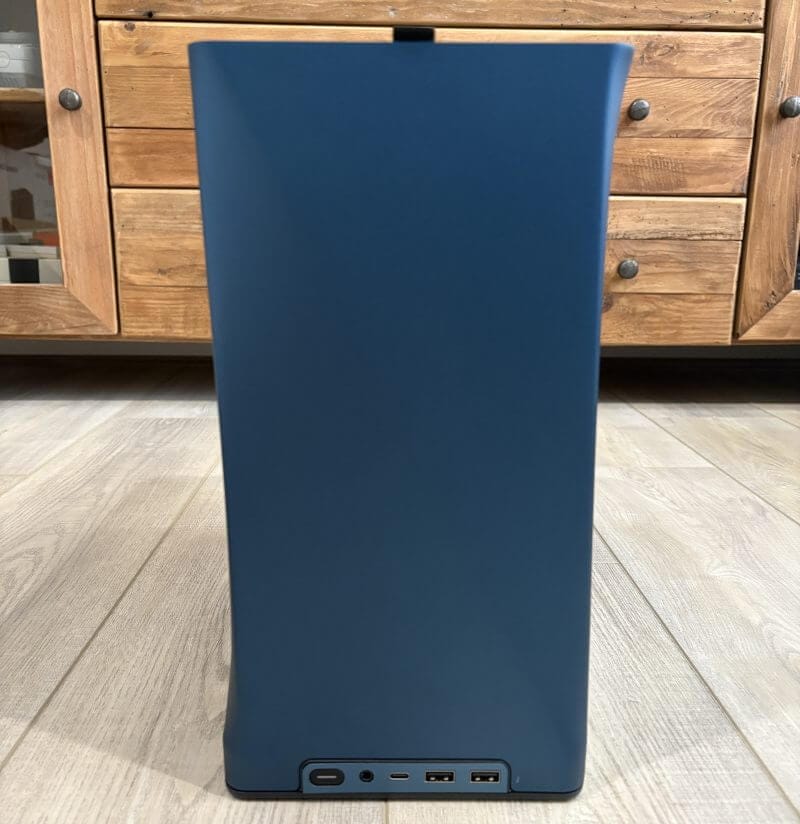




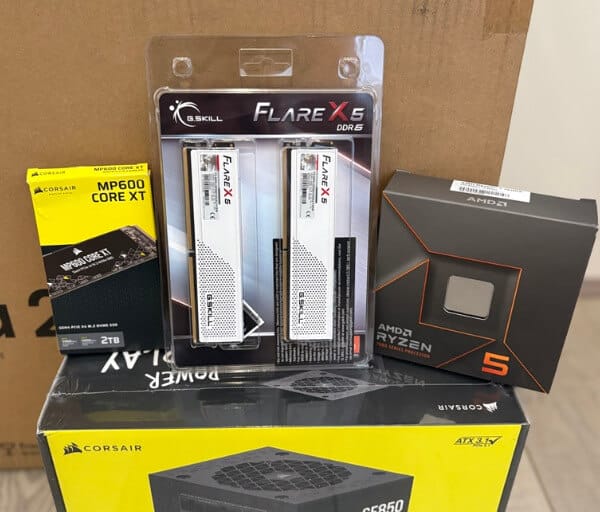
Build #1
Case: Fractal Design Era 2
CPU: AMD Ryzen 5 7600X
Motherboard: ASRock Phantom Gaming B850i Lightning WiFi
GPU: GIGABYTE RX 9070 XT GAMING OC
Storage: Corsair MP600 Core XT
Memory: G.Skill Flare X5 DDR5
CPU Cooler: Corsair Nautilus 240 RS ARGB
PSU: Corsair SF850


Build #2
Case: Fractal Design Era 2
CPU: AMD Ryzen 5 7600X
Motherboard: ASRock Phantom Gaming B850i Lightning WiFi
GPU: GIGABYTE RX 9070 GAMING OC
Storage: Corsair MP700 Elite
Memory: G.Skill Flare X5 DDR5
CPU Cooler: Corsair Nautilus 240 RS ARGB
PSU: Corsair SF850
The two showcased ITX gaming builds exemplify how well this approach works, combining high quality components inside the Fractal Design Era 2 case to create powerful yet elegant Linux gaming platforms.
The Fractal Design Era 2 serves as the foundation for both systems. Its compact size and premium airflow layout make it especially suitable for Linux users who value minimalism and performance. Despite its small footprint, the case supports dual-slot GPUs and liquid cooling while maintaining the clean, understated aesthetic often preferred in Linux setups. Inside the enclosure, each build uses the AMD Ryzen 5 7600X, a processor known for its strong single-threaded performance, efficient thermals and excellent compatibility with the Linux kernel. This CPU aligns perfectly with gaming workloads and provides a responsive experience across all Linux distributions.
Both ITX builds rely on the ASRock Phantom Gaming B850i Lightning WiFi motherboard, a compact yet feature-rich platform built around AMD’s latest chipset. This board offers dependable BIOS support, stable power delivery and strong PCIe connectivity, all of which contribute to a reliable Linux gaming experience. The small form factor does not limit functionality, ensuring smooth support for PCIe 5.0 NVMe drives, high speed DDR5 memory and modern networking standards. Its compatibility with mainstream Linux distributions ensures that installation and driver detection occur without unnecessary troubleshooting.
The key difference between the two builds lies in their GPU and storage configurations, which demonstrate how flexible ITX systems can be within the Linux environment. The first system features the GIGABYTE RX 9070 XT GAMING OC paired with the Corsair MP600 Core XT NVMe SSD. This combination provides a high performance platform that excels in modern Vulkan titles and Proton-enhanced games. The second build uses the GIGABYTE RX 9070 GAMING OC alongside the faster Corsair MP700 Elite NVMe. This setup delivers remarkably quick load times and strong frame rates, offering a slightly more balanced approach for users who prioritise responsiveness and overall efficiency.
Memory and cooling choices further enhance these compact Linux builds. Each system uses G.Skill Flare X5 DDR5, which aligns well with Linux’s memory handling and ensures smooth performance across gaming and multitasking workloads. Cooling is managed by the Corsair Nautilus 240 RS ARGB, a liquid cooler that fits easily within the Era 2 and provides stable temperatures without excessive noise. Linux users benefit from the efficient thermal design, as lower system temperatures often translate into more consistent gaming performance under Vulkan workloads.
Power delivery is handled by the Corsair SF850, a high quality SFX power supply that fits perfectly into ITX builds while providing ample headroom for the latest AMD graphics cards. Its efficiency and reliability make it a strong match for Linux-based gaming systems, where stable power delivery contributes to lower noise output and predictable performance during extended gaming sessions. Together, all components reflect a balanced approach that emphasises stability, thermal efficiency and long-term reliability, all of which align naturally with the philosophy behind Linux gaming.
The result is a pair of compact ITX systems that capture the essence of modern Linux gaming. They deliver desktop-class performance in a small chassis, utilise components with excellent Linux support and demonstrate how efficient and powerful Linux systems can be when paired with the right hardware. These builds show that small form factor gaming does not require compromise and that Linux’s lightweight nature complements this approach perfectly.
Why AMD GPUs Are Essential for the Best Linux Gaming Experience
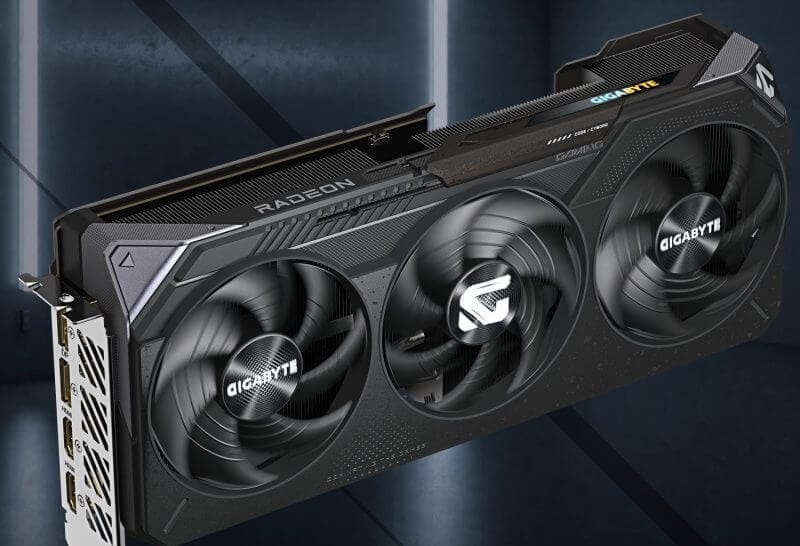
One of the most important decisions when building a system for Linux gaming is selecting the right GPU, and AMD has become the clear leader in this space. The open source AMDGPU driver is integrated directly into the Linux kernel, and its close relationship with the Mesa graphics stack delivers exceptional performance, broad compatibility and robust stability. This design removes the dependency on proprietary software, which has historically limited performance and created fragmentation for other GPU manufacturers. AMD’s approach results in a smoother and more consistent gaming experience across all major distributions.
The GIGABYTE RX 9070 XT and RX 9070 featured in the two ITX builds demonstrate exactly why AMD hardware is the preferred choice. Both GPUs are built on the latest generation RDNA architecture, which is optimised specifically for Vulkan, the graphics API that drives much of Linux gaming. Vulkan’s low overhead and efficient rendering pipeline allow AMD cards to achieve high performance with minimal driver complexity. Combined with Mesa’s rapid development cycle, these GPUs often receive optimisations faster on Linux than on other platforms, ensuring players benefit from regular performance improvements.
A key strength of AMD GPUs on Linux is their seamless integration with Proton, the compatibility layer that enables Windows games to run efficiently on Linux systems. Many modern games rely heavily on Vulkan translation or native Vulkan rendering, and Radeon hardware excels in these workloads. The RX 9070 XT in particular is capable of delivering high frame rates in demanding titles, making it a strong choice for users seeking top tier Linux gaming performance. Meanwhile, the RX 9070 provides a slightly more accessible option that still delivers excellent Vulkan performance and benefits from the same open source driver ecosystem.
The advantage becomes even more apparent when comparing AMD’s open model to the alternative. Proprietary drivers on competing platforms can create compatibility issues with kernel updates, delay performance improvements and limit flexibility for users who want to customise or optimise their systems. AMD’s open source approach ensures that its drivers move in lockstep with the kernel and the wider Linux graphics stack. This offers a level of reliability that appeals to Linux users, especially those who prefer systems free from closed source components where possible.
AMD’s focus on scalability also plays a role in enhancing the Linux gaming experience. Mesa’s shader compilation, smart caching and ongoing performance tuning directly benefit Radeon GPUs. These improvements help reduce stutter, speed up shader pre-caching and provide smoother gameplay across a wide range of titles. The RX 9070 XT and RX 9070 both utilise these enhancements, allowing the two ITX builds to perform consistently even in games that were originally designed exclusively for Windows environments.
Another notable strength is the long term support AMD provides for its hardware. Because the drivers are open source, they continue to benefit from community contributions long after the GPUs leave retail shelves. This means that systems built with Radeon cards often receive improvements over time rather than falling behind. Users of the two ITX systems can expect their RX 9070 series GPUs to improve in efficiency and compatibility as new versions of Mesa and Linux kernels are released.
For gamers seeking the best performance, flexibility and future proofing on Linux, AMD has become the most reliable choice. The RX 9070 XT and RX 9070 perfectly illustrate how well Radeon hardware aligns with the Linux ecosystem. Their strong Vulkan performance, open source drivers and excellent Proton compatibility make them ideal GPUs for modern Linux gaming, and they ensure that compact ITX builds deliver the full potential of the platform.
Storage, Memory and Cooling Considerations

High performance storage, memory and cooling play an essential role in delivering a smooth Linux gaming experience. While the operating system itself is lightweight, modern games rely heavily on fast asset streaming, responsive memory handling and stable thermals. The two ITX builds demonstrate how choosing the right components in each of these areas can elevate performance while maintaining the compact efficiency expected from small form factor systems.
Fast NVMe storage is one of the most significant contributors to game responsiveness on Linux. The first build uses the Corsair MP600 Core XT, a reliable PCIe drive that provides strong read and write speeds ideal for reducing loading times and accelerating shader compilation. The second build features the Corsair MP700 Elite, which takes advantage of faster PCIe connectivity to deliver even quicker application launches and larger bandwidth for demanding games. Linux distributions benefit from these speeds due to the efficiency of filesystems such as ext4 and Btrfs, allowing the system to access game data with minimal latency.
Memory also plays a critical role in modern Linux gaming, especially with titles that rely on rapid asset swapping or large texture sets. G.Skill Flare X5 DDR5 is used in both ITX systems, providing high frequency operation alongside excellent latency performance. Linux handles memory very efficiently, and DDR5 ensures that games running under Vulkan or through Proton have the bandwidth needed for smooth frame pacing. This is especially beneficial for titles that rely on large shader caches, as more responsive memory helps reduce stutter and improve overall consistency during gameplay.
Effective cooling is another key element in compact Linux gaming systems. Both builds use the Corsair Nautilus 240 RS ARGB, a liquid cooler that fits comfortably inside the Fractal Design Era 2 while providing adequate headroom for the Ryzen 5 7600X. The combination of efficient cooling and Linux’s lower background load results in stable CPU temperatures even during extended gaming sessions. This contributes to better performance, since the processor is less likely to throttle and more capable of sustaining high boost frequencies.
The GPU also benefits from a stable thermal environment. The GIGABYTE RX 9070 XT GAMING OC and RX 9070 GAMING OC both use advanced cooling solutions that manage heat effectively within the compact enclosure. Linux’s Vulkan-driven rendering path often places different demands on the GPU compared to other platforms, and keeping thermals under control ensures consistent performance. A cool GPU can maintain higher clock speeds, which is particularly important in demanding Proton titles and graphically intensive native games.
Power delivery ties all these components together. The Corsair SF850 SFX power supply is used in both ITX builds, offering efficient and reliable power output. This PSU is well suited for Linux gaming systems due to its stable voltage regulation and the low thermal footprint generated by its 80 Plus Gold efficiency rating. Its compact SFX form factor also makes cable management easier inside the Era 2 case, improving airflow and helping maintain lower system temperatures.
Together, the storage, memory and cooling choices in these ITX systems highlight a balanced approach to building efficient Linux gaming machines. By pairing fast NVMe drives with high performance DDR5 memory and reliable cooling, each build is optimised to take full advantage of Linux’s strengths. These components ensure that game loading times are short, system responsiveness is high and performance remains stable, even in demanding titles. The end result is a pair of ITX builds that showcase the importance of thoughtful component selection when pursuing the best Linux gaming experience.
The Practical Benefits of Gaming on Linux Over Windows
Linux has become an increasingly attractive platform for gamers, offering practical advantages that often translate into a smoother and more consistent gaming experience. One of its biggest strengths is the lightweight nature of the operating system. Linux avoids running the numerous background services commonly found elsewhere, which means more system resources are available for games. This reduction in overhead contributes to stable performance, faster responsiveness and fewer interruptions during gameplay.
Another major benefit is the efficiency of the Vulkan API, which is widely supported and deeply integrated into Linux. Many modern games either support Vulkan natively or make use of it through Proton, resulting in improved frame pacing and lower CPU usage. This leads to gameplay that feels fluid and reliable, especially in titles that rely on fast asset streaming or complex rendering pipelines.
Stability is a core part of the Linux experience. Because the graphics stack and drivers are developed openly, updates arrive consistently and are designed to work seamlessly with the kernel. This eliminates many of the compatibility problems that can surface with proprietary drivers and helps ensure that games continue to run smoothly after system updates. The open development model also means that bugs can be identified and fixed quickly, often by a combination of community members and upstream developers.
User control is another area where Linux stands out. Players are not subjected to forced updates, unexpected system restarts or background telemetry. Instead, they choose when and how to update their system, allowing them to maintain a consistent gaming environment without unwelcome interruptions. This level of control also extends to system configuration, as Linux allows users to tailor their environment with different desktop environments, performance tweaks or lightweight setups built specifically for gaming.
Privacy is an inherent advantage of Linux as well. The platform does not collect or transmit user data in the background, and most distributions offer transparency regarding what the system is doing at any given time. For players who value security and personal control, this offers peace of mind while gaming online or using third party applications.
Flexibility further enhances the gaming experience. Linux users can select from a variety of gaming focused distributions that offer streamlined performance, up to date graphics stacks and built in optimisations. This makes it easy for newcomers to get started while giving experienced users the freedom to customise their system exactly how they want it.
These practical benefits create a compelling environment for gaming. Linux provides an experience that is clean, efficient and stable, allowing players to enjoy their games without the distractions or limitations found on other platforms. As game support and compatibility continue to grow, these advantages make Linux a strong and appealing choice for modern gaming.
Getting Started with Linux Gaming

Setting up a Linux gaming system has become far more accessible in recent years, especially with the improvements brought about by Proton, Vulkan and the open source graphics stack. For users building systems similar to the two ITX examples, the process is streamlined and requires minimal configuration. The combination of AMD CPUs, Radeon GPUs and fast NVMe storage aligns perfectly with the way modern Linux gaming distributions operate, ensuring a smooth setup experience.
The first step is selecting the right distribution. Gaming focused options such as Bazzite, Nobara and Fedora have become popular due to their excellent hardware support and up to date Mesa drivers. These distributions include many of the optimisations needed for Radeon GPUs like the RX 9070 XT and RX 9070, reducing the need for manual configuration. Bazzite in particular offers a straightforward, Steam Deck inspired interface, making it a strong choice for both newcomers and experienced Linux users.
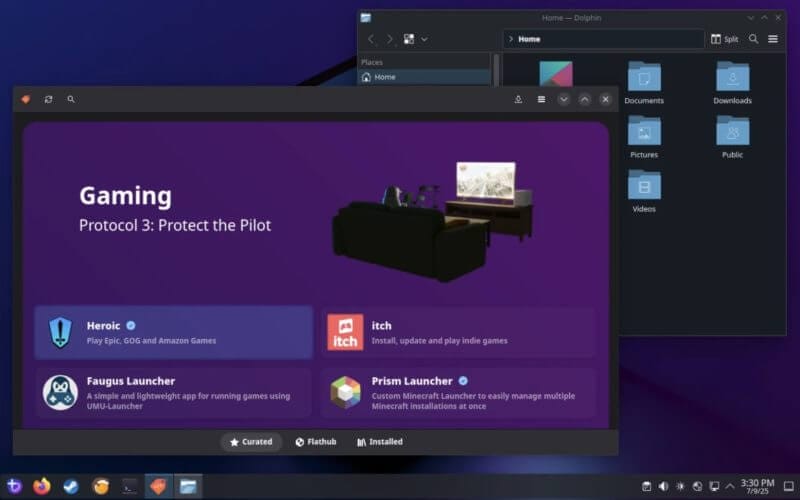


Once the operating system is installed, the next step is setting up Steam. Most modern distributions include Steam in their repositories or through Flatpak, allowing for quick installation. After launching Steam, enabling Proton support is as simple as selecting a compatibility tool in the settings menu. Proton enables the majority of Windows titles to run on Linux, and many games perform equally well or better on Radeon hardware due to efficient Vulkan translation and the responsiveness of the AMDGPU driver.
Performance monitoring is another useful element of setting up a Linux gaming system. Tools like MangoHUD allow players to view performance metrics including frame rate, temperatures and CPU usage while in game. This is particularly helpful in compact builds where maintaining consistent thermals is essential. With the Corsair Nautilus 240 RS ARGB cooler and efficient Radeon GPUs, both ITX systems can maintain stable temperatures, and MangoHUD allows users to keep an eye on system behaviour during extended sessions.
For users looking to optimise performance even further, adjusting a few system settings can enhance the gaming experience. Enabling FSR where available, using the latest Proton GE versions, and ensuring shader precaching is enabled within Steam can help reduce stutter and improve clarity in demanding titles. Linux handles shader caching efficiently, especially when using high speed NVMe drives like the MP600 Core XT and MP700 Elite found in the two builds. These drives allow games to compile shaders quickly, contributing to smoother gameplay.
Input and controller support are also straightforward on modern Linux systems. Gamepads such as the DualSense or Xbox controllers work immediately thanks to built in driver support, and Steam Input provides additional flexibility. Users of compact ITX systems can enjoy couch gaming or desk setups with equal ease, taking advantage of Steam’s configurability and the low latency offered by modern AMD hardware.
It is also important to keep the system updated. Distributions like Fedora and Bazzite provide fast access to new kernel versions, Mesa improvements and AMDGPU enhancements. Regular updates ensure that performance for GPUs such as the RX 9070 XT and RX 9070 continues to improve over time. Since AMD’s drivers are open source and tightly integrated with Mesa, Linux users often receive optimisations before they appear on other platforms.
With these steps, setting up a Linux gaming system becomes an approachable and rewarding experience. The combination of user friendly distributions, powerful Radeon hardware, fast NVMe storage and efficient cooling creates a foundation that requires very little manual tuning. Once configured, the system delivers reliable performance, excellent compatibility and a clean gaming environment that feels fast and responsive. Modern Linux distributions remove the entry barriers that once defined the platform, allowing players to enjoy high quality gaming with minimal effort.
More about Proton: The Backbone of Modern Linux Gaming
Proton has become one of the most transformative technologies in the gaming industry, redefining how players interact with games on Linux. Developed by Valve and built on top of Wine, Proton serves as the compatibility layer that makes it possible for Windows games to run efficiently on Linux systems. What sets it apart is its focus on performance, stability and transparency, which has allowed Linux gaming to evolve from a niche experiment into a viable and often superior alternative to traditional platforms.
At its core, Proton translates Windows graphics and system calls into Linux friendly operations with minimal overhead. A major breakthrough came with Proton’s integration of DXVK and VKD3D, which translate DirectX 9, 10, 11 and 12 calls into Vulkan. Because Vulkan is a modern, low overhead API, Radeon GPUs like the RX 9070 XT and RX 9070 benefit significantly from this translation. These GPUs excel in Vulkan workloads due to their architecture and strong open source driver support, making Proton a natural fit for AMD based Linux gaming systems.
Proton’s performance has reached a point where many games run on Linux at frame rates equal to or greater than their Windows versions. Linux’s efficient resource handling, lower system overhead and stable scheduling contribute to these improvements. For systems built with the Ryzen 5 7600X, G.Skill Flare X5 DDR5 memory and fast NVMe drives, Proton enables advanced game engines to function with impressive speed and responsiveness. Shader compilation times are reduced, transitions are smoother and frame delivery is more consistent, especially in graphically demanding titles.
A major factor behind Proton’s rapid improvement is the feedback loop created by the Steam Deck. Millions of users run a wide variety of games every day, exposing edge cases, performance quirks and compatibility issues at an unprecedented scale. Valve uses this data to continuously update Proton, pushing out improvements that benefit all Linux systems. As a result, both ITX builds featuring AMD’s RX 9070 series GPUs stand to gain from regular enhancements to compatibility, shader handling, stutter reduction and overall performance.
Proton also handles game specific configuration in an intelligent way. Many titles that previously required launch parameters, DLL overrides or custom patches now work immediately through Proton’s built in presets. The system automatically identifies the best compatibility settings and applies them without user intervention. This approach aligns well with distributions such as Bazzite and Fedora, which aim to deliver a smooth out of the box experience. With Proton doing most of the heavy lifting, installing and running games becomes as simple as clicking the Play button.
One of Proton’s unsung strengths is its approach to shader caching. During gameplay, Vulkan shaders are compiled and cached to reduce stutter and improve fluidity. Linux stores these caches efficiently, and fast NVMe drives such as the Corsair MP600 Core XT and MP700 Elite allow games to access shader data quickly. This reduces load times and minimises stutter in titles with heavy shader workloads. Over time, as caches build, gameplay becomes increasingly smooth and predictable.
Proton’s compatibility has expanded dramatically, with thousands of games now rated playable or verified. This includes major releases that would have been challenging or impossible to run on Linux a decade ago. For players building compact systems like the Fractal Design Era 2 ITX setups, Proton ensures that their hardware investment pays off across a wide range of genres and engines. Whether running competitive titles or large single player games, Proton handles translation, optimisation and driver interaction behind the scenes.
Another benefit is Proton’s transparency. Unlike proprietary solutions, Proton’s components are open source, allowing developers to contribute fixes or improvements. This collaborative effort drives rapid development and ensures Linux remains competitive as new game engines and technologies emerge. For AMD GPU users, this openness is especially valuable because Mesa and AMDGPU updates can be tightly coordinated with Proton’s evolution, leading to stable performance gains and fewer regressions.
Proton is the cornerstone that enables modern Linux gaming to thrive. It bridges the gap between Windows and Linux without sacrificing performance or accessibility. Combined with powerful hardware such as the RX 9070 XT, RX 9070, Ryzen 5 7600X and high speed NVMe storage, Proton allows players to enjoy a gaming experience that is fast, consistent and easy to maintain. Its constant evolution, driven by Valve and the Linux community, ensures that Linux gaming will continue to grow and improve long into the future.
Conclusion
Linux gaming has undergone a remarkable transformation, evolving from a niche pursuit into a polished, high performance platform capable of competing with established operating systems. Advancements in Proton, Vulkan, Mesa and the open source graphics stack have eliminated many of the barriers that once made Linux difficult for gamers. What was once experimental now feels refined, responsive and accessible to anyone interested in a cleaner, more efficient way to play.
Valve has played a pivotal role in this shift. The Steam Deck introduced millions of players to a Linux based gaming experience that required no configuration or technical expertise. Its success proved that Linux could support a vast library of games, and the attention it brought to Proton accelerated development across the entire ecosystem. With the highly anticipated Steam Machine on the horizon, Linux gaming is positioned to grow even further, offering a desktop experience built on the same philosophy of simplicity and reliability.
Modern hardware has also contributed significantly to this momentum. Compact, powerful ITX builds like the pair highlighted in this article demonstrate just how well Linux scales with efficient components, fast NVMe storage and reliable cooling. These systems deliver consistent performance, quiet operation and strong compatibility with gaming focused distributions such as Bazzite. Their clean and compact designs reflect the broader strengths of Linux itself: lightweight, efficient and optimised for the user.
The ecosystem now offers players more control, more stability and often better performance than what is achievable on other platforms. With open source drivers, predictable updates and a gaming environment free from unnecessary background services, Linux provides an experience that feels responsive and uncluttered. Add to this the expanding library of Proton compatible titles and the rapid improvements pushed through the community, and it becomes clear why Linux gaming is experiencing unprecedented growth.
As 2025 continues, Linux gaming stands stronger than ever. The combination of advanced open source technologies, Valve’s growing ecosystem and the availability of well matched hardware has reshaped expectations across the industry. Whether on handheld devices, desktop systems or compact ITX builds, Linux is proving itself to be not just an alternative but a standout choice for modern gaming.
