Connecting a gaming console to a TV sounds simple, but a poor connection or the wrong settings can leave you with laggy picture, no sound, or a fuzzy image. This guide walks you through the process from start to finish, whether you are setting up a PlayStation, Xbox, Nintendo Switch, or any other console for the first time, or moving one to a new television.
Table of Contents
What you’ll need
- Your gaming console and its power cable
- An HDMI cable (most modern consoles include one in the box)
- A TV with at least one free HDMI input
- The TV remote, so you can switch inputs
- A controller with fresh or charged batteries
- An internet connection (Wi-Fi or an ethernet cable) if you plan to go online
Step-by-step: connecting the console
- Choose a spot near the TV with good airflow around the console, since consoles generate heat and need space to vent properly.
- Locate the HDMI output port on the back or side of the console. Most consoles have a single HDMI out port clearly labelled.
- Plug one end of the HDMI cable into the console’s HDMI out port and the other end into an open HDMI input on the TV.
- Make a note of which numbered HDMI input you used on the TV (for example, HDMI 1 or HDMI 2), as you will need to select this later.
- Connect the console’s power cable to a wall outlet or power board and to the console itself.
- Turn on the TV first, then power on the console using its main power button.
- Using the TV remote, press the input or source button and select the HDMI input that matches the port you used.
- Wait for the console’s startup screen or logo to appear on the TV. This can take a little longer the first time as the console initialises.
Setting up picture and sound
- Once the console boots up, follow any on-screen setup prompts, which typically include choosing a language and region.
- Open the console’s display or video settings and confirm the resolution matches what your TV supports, such as 1080p or 4K. Most consoles detect this automatically, but it’s worth checking if the picture looks stretched or blurry.
- If your TV and console both support HDR, enable it in the console’s display settings and confirm HDR is also switched on for that HDMI input in the TV’s picture settings.
- Check the sound settings on the console to make sure audio is set to output through HDMI, which is the default for nearly all setups.
- If you are using a soundbar or AV receiver, connect the console to that device first (or use an HDMI ARC-compatible port on the TV), then link the receiver or soundbar to the TV so audio and video stay in sync.
Connecting to the internet and your controller
- Open the network settings menu on the console and choose to connect via Wi-Fi or a wired ethernet connection for a more stable link.
- Enter your Wi-Fi password if prompted, or plug an ethernet cable directly from your router into the console for the most reliable connection.
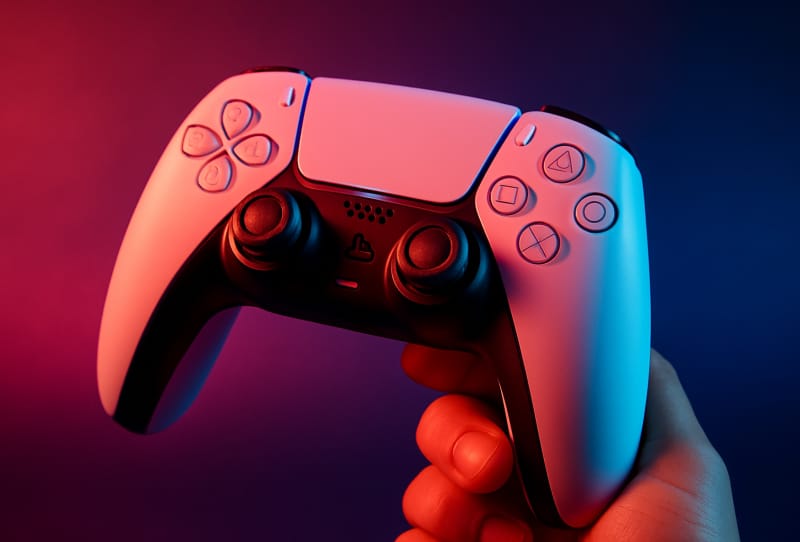
- Pair your controller by holding the sync button, usually located near the charging port, until it connects to the console.
- Sign in to your console’s online account or create a new one to access downloads, updates, and multiplayer features.
- Allow the console to install any pending system updates before you start playing, since this often improves stability and unlocks new features.
Tips and troubleshooting
- If there’s no picture at all, double-check that you selected the correct HDMI input on the TV remote and that the cable is firmly seated at both ends.
- A flickering or dropping picture often points to a faulty or low-quality HDMI cable. Swapping it out is a quick and reliable fix.
- If sound is missing but the picture works fine, check that the TV’s volume is not muted and that the console’s audio output setting matches your TV or speaker setup.
- For the sharpest picture, use an HDMI port on the TV that supports the console’s maximum resolution and refresh rate, since older HDMI ports on some TVs have lower bandwidth limits.
- If the console keeps disconnecting from Wi-Fi, moving closer to the router or switching to a wired ethernet connection usually resolves it.
- Keep the console’s system software updated, since manufacturers regularly release fixes for connectivity and display issues.
Frequently asked questions
Which HDMI cable should I use for a gaming console?
Use the HDMI cable that came with your console where possible, since it’s matched to the console’s output capabilities. If you need a replacement or want higher resolution and refresh rate support, look for a cable labelled as high-speed or ultra high-speed HDMI.
Why does my TV show no signal when I connect my console?
This is almost always down to the wrong input being selected on the TV, a loose cable connection, or the console not being fully powered on. Reseat the HDMI cable at both ends, confirm the input number, and try restarting the console.
Can I connect a console to a TV without HDMI?
Most modern consoles rely on HDMI as the only video output, so a TV without an HDMI input generally will not support a modern console directly. Older TVs may need an HDMI-to-component or similar adapter, though this can reduce picture quality.
Do I need a soundbar or receiver to get audio from my console?
No, audio passes through the HDMI cable to the TV’s built-in speakers by default. A soundbar or receiver is only needed if you want richer sound than the TV speakers provide, and in that case the console typically connects to the receiver first.