New York congressman Ritchie Torres has introduced a digital game ownership bill in the US House of Representatives, aiming to stop publishers from treating a purchased game as a revocable licence rather than something a player actually owns. The Democratic representative says the legislation would force clearer rules around what buyers actually get when they click “buy” on a digital storefront, rather than leaving that question buried in terms of service nobody reads.
Key takeaways
- ✓Rep. Ritchie Torres has introduced a digital game ownership bill in the US House of Representatives
- ✓The bill targets publishers that sell games as licences that can be revoked rather than owned property
- ✓It follows years of complaints over shutdowns like Ubisoft's The Crew losing server access
- ✓California already passed a similar disclosure law, AB 2426, that took effect in 2025
- ✓The bill joins a growing global push, including the Stop Killing Games campaign, for stronger digital consumer rights
The move lands at a moment when frustration over disappearing digital purchases has been building for years. Gamers have grown used to discovering, often too late, that a game they paid full price for can vanish the moment a publisher flips off its servers or decides a title is no longer commercially useful to support.
Table of Contents
Why the digital game ownership bill exists
Torres’ office frames the legislation as a consumer protection measure rather than an anti-industry crusade. The core problem it targets is simple: when someone buys a digital game, most storefronts actually sell a licence to access that game, not the game itself. That licence can, under current terms of service, be pulled at the publisher’s discretion.
That distinction became painfully real for thousands of players when Ubisoft shut down the servers for The Crew in 2024, rendering a single-player-capable racing game completely unplayable because it required a permanent online connection, even for owners who had bought it years earlier. Cases like that one turned an abstract legal quirk into a very concrete loss for ordinary buyers, and they are widely cited as the spark behind the current wave of legislative attention.
Details of exactly how Torres’ bill would be enforced, and what penalties publishers might face for non-compliance, have not been fully spelled out in his initial announcement. As with any bill introduced in Congress, it still needs to clear committee review and win support from colleagues before it has any chance of becoming law, so nothing here is guaranteed or imminent.
Not the only fight over digital ownership
Torres’ proposal does not exist in isolation. It follows a separate push known as the Protect Our Games Act, which focuses more specifically on stopping publishers from killing off live-service games entirely once they stop being profitable, rather than the broader ownership-versus-licence question Torres is raising.
There is also real momentum outside the United States. The global Stop Killing Games campaign, led by YouTuber Ross Scott, gathered well over a million signatures on a European Citizens’ Initiative demanding that publishers either keep purchased games functional or provide tools for players to keep them running themselves after official support ends.
California has already moved on a related front. Its AB 2426 law, which took effect in 2025, requires digital storefronts to clearly disclose to buyers that they are purchasing a licence rather than outright ownership, unless the retailer can guarantee permanent access. Torres’ federal bill appears to push that same idea further, aiming for enforceable rights rather than just a disclosure requirement.
What it means for gamers and the industry
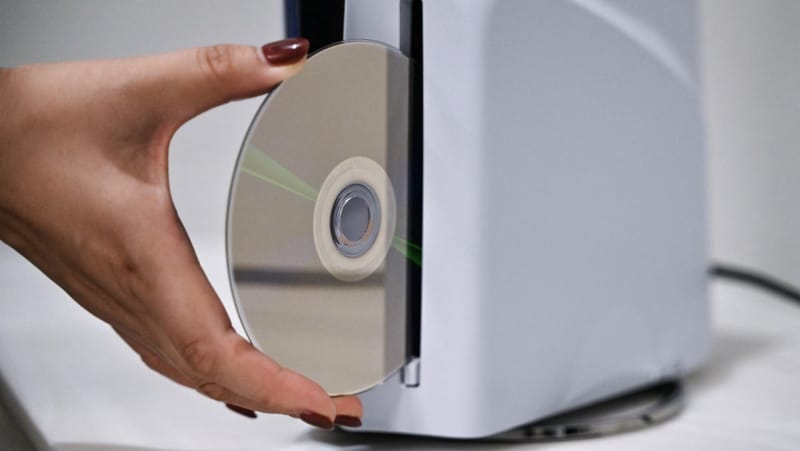
For everyday players, the appeal of a genuine digital game ownership bill is obvious. Physical media has its own problems, as cartridges wear out and discs scratch, but at least a boxed copy cannot be remotely revoked. Digital purchases currently offer no such guarantee, and that gap has only widened as more publishers lean on always-online requirements and live-service models.
Publishers, for their part, have long argued that licensing arrangements let them manage server costs, security, and long-term support in ways that outright ownership complicates. Any federal requirement to guarantee ongoing access, or to provide offline alternatives when servers close, would likely mean real changes to how games get built and supported, not just a paperwork tweak.
The debate also intersects with how platform holders are already adjusting their own digital strategies. Microsoft’s own disc-to-digital program and Nintendo’s recent reassurance that physical Switch 2 games are staying put both show how sensitive the industry has become to questions about what players actually get for their money. Whether Torres’ bill advances or stalls in committee, it adds real political weight to an argument gamers have been making informally for years: that paying full price should come with something more solid than a licence that can disappear overnight.
Frequently asked questions
What does Ritchie Torres’ digital game ownership bill actually do?
It is designed to stop publishers from selling digital games purely as revocable licences, pushing instead for buyers to receive genuine ownership rights or guaranteed access. Specific enforcement details have not yet been fully outlined.
Is this the same as the Protect Our Games Act?
No. The Protect Our Games Act focuses on preventing publishers from permanently shutting down live-service games, while Torres’ bill addresses the broader legal question of whether buyers own or merely licence their digital purchases.
Has any similar law already passed anywhere?
California’s AB 2426 took effect in 2025 and requires digital storefronts to disclose clearly that a purchase is a licence rather than outright ownership, unless permanent access can be guaranteed.
Why did this become a major issue for gamers?
Incidents like Ubisoft shutting down The Crew’s servers, making a purchased game unplayable, showed players how little control they actually have over digital purchases compared with physical copies.