Epic Games chief executive Tim Sweeney says AI game development has improved so quickly that it could usher in a genuine “golden age of gaming,” with massive open-world titles becoming achievable for far smaller teams. Sweeney made the comments while continuing his long-running defence of AI tools in software creation, arguing that machine-generated code has closed much of the gap with human programmers over the past year.
Key takeaways
- ✓Epic Games CEO Tim Sweeney says AI game development has improved enough to spark a 'golden age of gaming'
- ✓Sweeney argues AI coding tools can now match the quality of work from human developers
- ✓An Epic-published Disney title reportedly prioritises generative AI in its development, drawing criticism
- ✓Konami has publicly taken the opposite position, saying AI won't drastically change game development
- ✓Surveys show most developers remain wary of AI even as some players grow more comfortable with it
It is not a new position for Sweeney, who has repeatedly pushed back against the gaming industry’s broadly sceptical view of AI. But the timing matters. His latest remarks land just as reports surface that an upcoming Disney-licensed title from Epic is leaning heavily on generative AI during development, a detail that has already reignited debate among players and developers who see AI as a threat to craft, jobs and originality rather than a creative shortcut.
Table of Contents
Sweeney’s case for AI game development
Sweeney’s argument centres on code quality rather than novelty. He contends that AI coding assistants have reached a point where their output is comparable to what a competent human developer would produce, a claim that would have sounded far more speculative even two years ago. For Sweeney, that shift changes the economics of building a game.
Open-world games are notoriously expensive because of the sheer volume of systems, content and testing they require. If AI tools can reliably handle large chunks of that workload, Sweeney’s reasoning goes, studios with a fraction of the usual budget and headcount could attempt projects that once demanded hundreds of developers. That is the basis for his golden age framing: not better graphics or new genres, but a lower barrier to entry for ambitious game design.

As the head of both Fortnite and Epic Games, which also builds the widely used Unreal Engine, Sweeney has an obvious stake in how AI reshapes development pipelines. Tools built into or around Unreal Engine stand to benefit directly if studios lean further into AI-assisted workflows, which adds useful context to how forcefully he keeps making this case.
A divided industry reaction
The response from developers has been far less enthusiastic than Sweeney’s framing suggests. A widely cited Game Developers Conference survey found most industry professionals remain uneasy about AI’s growing role in production, citing concerns ranging from job security to the originality and quality of AI-assisted work. That scepticism has not gone away just because the technology has improved.
Not every major publisher agrees with Sweeney’s optimism, either. Konami has taken the opposite view, insisting AI won’t drastically change game development, arguing that human creativity and judgement remain central to making games that players actually connect with. The contrast between the two companies illustrates how unsettled the industry’s stance on AI still is, even as individual executives speak with total confidence in either direction.
There is also resistance building outside the corporate world. In the modding and preservation scene, a game decompilation community recently froze its leaderboard over concerns about AI slop, reflecting a broader anxiety that AI-generated contributions can flood a project with low-quality or unreliable code faster than anyone can review it. That tension between speed and trust sits at the heart of most pushback Sweeney faces.

What a golden age would actually mean for players
If Sweeney’s prediction holds, the most visible effect would be a wave of ambitious games from studios that previously could not afford to attempt them. Smaller teams chasing open-world ambitions, previously the territory of publishers with nine-figure budgets, could suddenly compete on scope if not on polish. That would be a meaningful shift for a genre that has become increasingly dominated by a handful of major studios.
It is worth treating that outcome as a possibility rather than a certainty. AI-assisted code still needs human oversight, testing and creative direction, and the gap between “technically functional” and “genuinely good” remains wide in game design. Sweeney’s own company is already facing scrutiny over how visibly it leans on AI in a high-profile licensed project, which suggests the transition will be scrutinised every step of the way rather than embraced quietly.
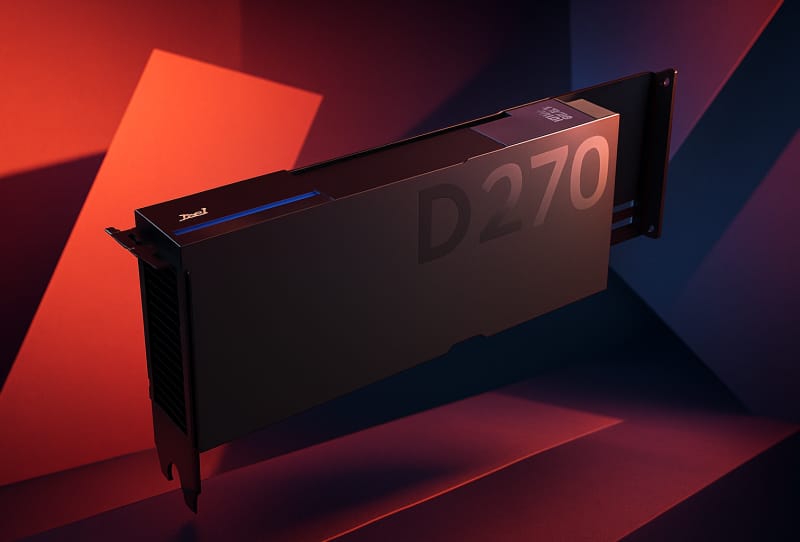
Beyond software, the hardware side of this shift is already visible in AI-focused workstation graphics cards, underlining how thoroughly AI is being built into the tools studios rely on, not just the games they ship. Whether that translates into the creative renaissance Sweeney describes, or simply a faster and cheaper way to produce the same kinds of games, is likely to become clearer as more AI-assisted titles actually reach players.
Frequently asked questions
What exactly did Tim Sweeney say about AI in gaming?
Sweeney argued that AI coding tools have improved enough over the past year to match human developers in quality, and that this could let smaller studios build large open-world games they previously couldn’t afford, a shift he describes as a coming golden age of gaming.

Why are developers and gamers sceptical of AI game development?
Surveys of industry professionals show widespread concern about job losses, reduced creative control and inconsistent code quality when AI tools are used heavily in production, alongside worries from players about originality and authenticity in AI-assisted games.
Is Epic Games actually using AI in its own projects?
Reports indicate an upcoming Disney-licensed game published by Epic is prioritising generative AI during development, a detail that has drawn criticism from parts of the gaming community even as Sweeney continues to publicly defend the technology.
Do other major game companies agree with Sweeney’s view?
No. Konami has publicly stated it does not expect AI to drastically change game development, showing that major publishers remain divided on how much the technology should shape the creative process.