Memory foam ear tips are quietly becoming one of the cheapest ways to make a pair of wireless earbuds sound noticeably better, without spending a cent on new hardware. The fix has nothing to do with drivers, codecs or firmware. It comes down to something as simple as the tiny silicone tip sitting in the ear canal, and how poorly that stock part often fits.
Since Apple dropped the headphone jack back in 2016, true wireless earbuds have become the default way most people listen to music, podcasts and calls. Sound quality across the category has improved dramatically, with active noise cancellation, lossless codecs and customisable EQ now common even on mid-range models. Yet one part of the design has barely changed: the ear tip that comes in the box is almost always made of silicone, a material chosen for cost and manufacturing ease rather than the best possible fit.
Table of Contents
Why the stock silicone tips are often the weak link
Human ears vary enormously in shape and size. A multi-ethnic study involving more than 1,400 participants found that the ear canal is distinctive enough to work as a biometric identifier, similar to a fingerprint. Manufacturers try to compensate by including two or three extra sizes of silicone tips, but that rarely accounts for the full range of ear shapes among buyers.
Unlike over-ear headphones, which create a seal using the entire ear cup, earbuds depend almost entirely on the tip to seal the ear canal. When that seal is imperfect, sound leaks out and outside noise leaks in. The practical result is thinner bass, weaker isolation and noise cancellation that has to work much harder than it should. A loose fit also means constant readjusting, which is annoying during a workout or a commute.
What changes with memory foam ear tips
Foam tips work differently to silicone ones. Instead of relying on a handful of fixed sizes, they compress before insertion and then slowly expand to match the exact shape of the ear canal. That creates a far more consistent seal across different ear shapes, which is why memory foam ear tips have built a loyal following among commuters, gym-goers and anyone who has struggled to get silicone tips to stay put.
A tighter seal does not magically rewrite an earbud’s audio profile, but it stops sound from escaping before it reaches the eardrum. That translates into fuller, punchier bass at a lower volume, since less energy is wasted leaking into the surrounding air. Passive isolation also improves sharply, which in turn gives active noise cancellation less work to do and makes it more effective overall.
| Feature | Silicone tips | Memory foam tips |
|---|---|---|
| Seal quality | Depends on matching a fixed size | Expands to fit individual ear shape |
| Bass response | Can sound thin if seal is poor | Fuller and more consistent |
| Noise isolation | Moderate | Noticeably stronger |
| Durability | Lasts as long as the earbuds | Typically needs replacing every two to three months |
| Cleaning | Easy to wipe down | Absorbs oils and dust more readily |
Where to buy them and what to check first
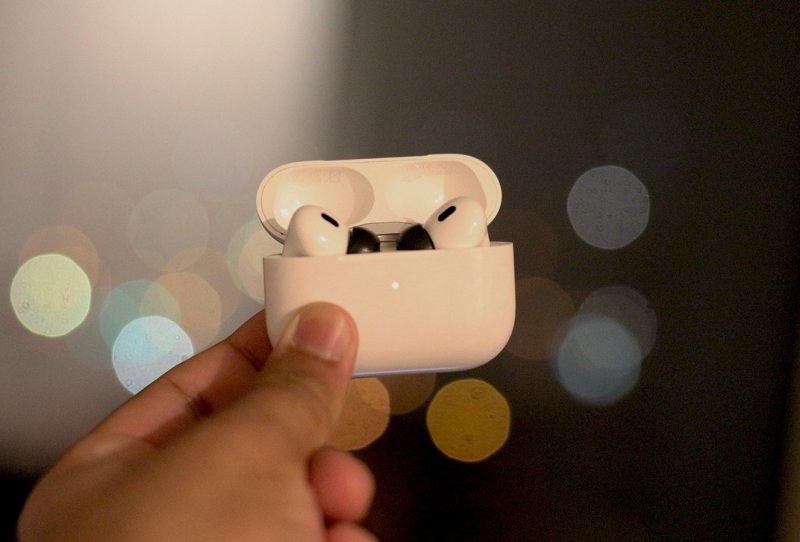
Comply and Sonicfoam are two of the better-known names selling replacement foam tips, and both offer options sized for popular earbuds from brands such as Apple, Sony and Samsung. Compatibility matters here. AirPods, for example, use a proprietary snap-fit stem, so buyers need tips specifically designed for that connector rather than a generic universal fit. Checking the listing against the exact earbud model before ordering avoids a wasted purchase.
It is also worth looking for brands that sell refill packs in a single size once the right fit has been found, rather than buying a full multi-size pack every time. This becomes more relevant given the tips’ shorter lifespan, since daily users typically get only two to three months out of a set before the foam stops fully expanding.
The trade-offs worth knowing
Foam tips are not a permanent upgrade in the way that affordable headphones that punch above their price might be considered a lasting purchase. They wear out faster than silicone, losing some of their expansion capability well before they visibly deteriorate. They also attract dust, earwax and skin oils more readily, so regular wiping is necessary to stop them from developing an unpleasant smell over time.
A simple pinch test is usually enough to tell when a set needs replacing. If the foam no longer springs back to its original shape, the seal has already weakened. Visible deformation, flattening or damage are other clear signs it is time for a fresh pair. For anyone who relies on noise cancellation for flights, open offices or noisy commutes, keeping a spare set on hand is a sensible habit.
Why this matters for earbud owners
Not every listener will notice a dramatic difference, particularly those who already get a good seal with silicone tips. But for the many people who fidget with their earbuds throughout the day or feel their noise cancellation underperforms, foam tips address the actual cause rather than the symptom. It is a far cheaper experiment than upgrading to a new pair of earbuds, and it works across most brands rather than locking anyone into a specific ecosystem.
The broader lesson applies beyond earbuds too. Whether it is premium wireless headsets built around comfort and seal or wireless headphones with serious audiophile credentials, fit is often as important as the drivers inside. A well-sealed ear tip can extract more performance from existing hardware than most people expect, and it remains one of the more overlooked upgrades in personal audio.