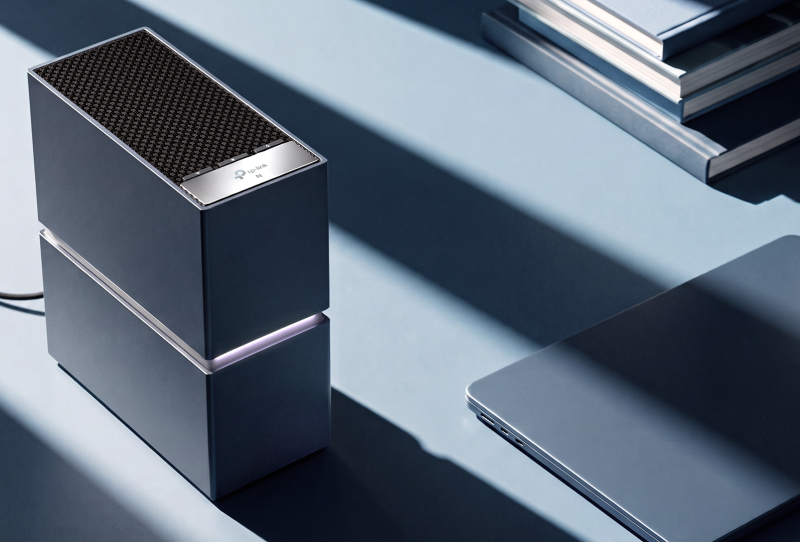
TP-Link has pulled back the curtain on its first TP-Link Wi-Fi 8 router lineup at IFA Berlin, alongside a matching mesh system, though nobody will actually get their hands on one before 2027. Worse for American buyers, a US launch is far from guaranteed, thanks to an ongoing regulatory fight over where TP-Link builds its hardware.
The company used Europe’s largest consumer electronics show to detail the tri-band Archer 8 Ultra router and the Deco 8 Ultra mesh system, both built around the still-unfinished IEEE 802.11bn standard that underpins Wi-Fi 8. TP-Link first teased the Archer 8 back in May, but this is the fullest look yet at specifications, timing, and the chipset partners involved. Preorders open in select regions from September 30, though pricing has not been announced yet.
Table of Contents
What TP-Link Announced at IFA 2026
The Archer 8 Ultra is TP-Link’s flagship standalone router for the new standard, packing 18 internal antennas across its tri-band radios. TP-Link claims it can hit an aggregate wireless speed of up to 19Gbps, backed by 10Gbps wired connectivity for anyone still running fibre or a fast local network. That’s a serious jump on paper, though real-world throughput will depend heavily on client devices, most of which don’t support Wi-Fi 8 yet.
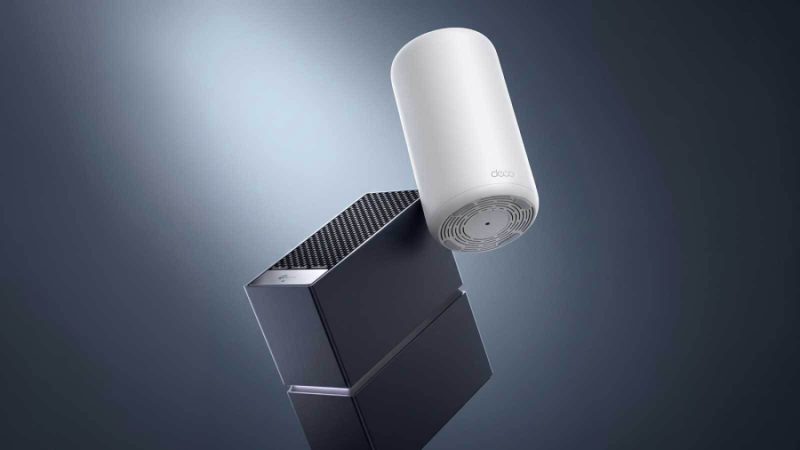
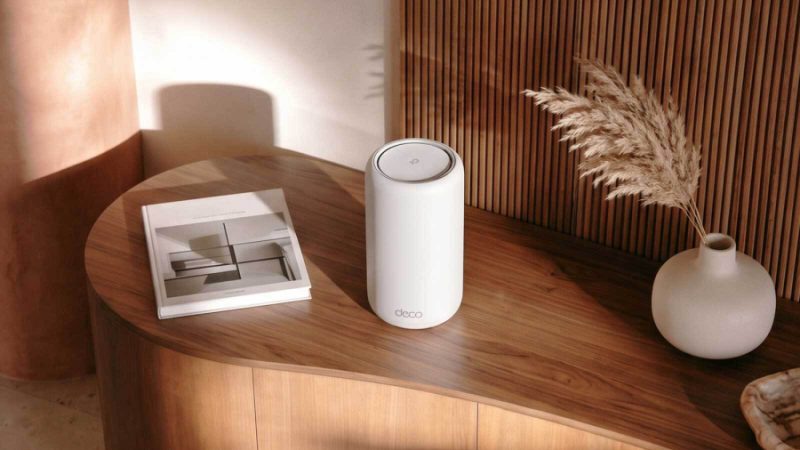
The Deco 8 Ultra takes the same underlying technology and spreads it across a mesh system instead. TP-Link says a three-pack can support more than 200 connected devices across a home as large as roughly 910 square metres, with aggregate wireless speeds up to 22Gbps and the same 10Gbps wired backbone as the Archer. That’s a meaningful claim for anyone juggling smart bulbs, cameras, laptops, and consoles on one network, and it puts the Deco 8 Ultra in direct competition with mesh rivals from brands like D-Link, whose own rival mesh systems like D-Link’s Aquila Pro M60 have chased similar whole-home coverage goals with Wi-Fi 6.
TP-Link Wi-Fi 8 Router Specs and Preorder Timing
TP-Link says the new lineup pairs Wi-Fi 8 chipsets from Broadcom, Qualcomm, and MediaTek with its own hardware and software engineering. The company is pitching this as “the most reliable Wi-Fi ever built,” though that’s a claim worth treating as marketing until independent testing arrives. Here’s how the two headline devices compare on paper.
| Feature | Archer 8 Ultra | Deco 8 Ultra |
|---|---|---|
| Format | Standalone router | Mesh system (three-pack tested claim) |
| Bands | Tri-band | Tri-band |
| Antennas | 18 internal | Not disclosed |
| Aggregate wireless speed | Up to 19Gbps | Up to 22Gbps |
| Wired connectivity | 10Gbps | 10Gbps |
| Claimed coverage | Not disclosed | Up to 910 square metres |
| Expected launch | Q1 2027 | Q2 2027 |
TP-Link also flagged Wi-Fi 8 range extenders and adapters for a second-quarter 2027 launch, suggesting a broader ecosystem rollout rather than a single hero product. Preorders for the Archer 8 Ultra and Deco 8 Ultra open on September 30, with an online launch event scheduled the same day where pricing details are likely to surface.
How Wi-Fi 8 Actually Improves on Wi-Fi 7
Wi-Fi 8 doesn’t promise a dramatic headline speed jump over Wi-Fi 7. Instead, TP-Link is leaning on smarter traffic management. Dynamic Sub-band Operation, or DSO, lets a router assign channels more precisely based on what each device actually needs, rather than handing out blanket bandwidth. TP-Link says this frees up space for other traffic and reduces slowdowns across a busy network.
A companion feature called Non-Primary Channel Access lets the router dynamically open a second channel if the primary one gets congested, which should help in crowded apartment blocks or busy share houses where dozens of networks overlap. TP-Link also points to improved modulation that reduces interference from physical objects and neighbouring Wi-Fi signals, plus Enhanced Long Range and Distributed Resource Unit features that aim to stop performance falling off a cliff at the edge of coverage. One extends effective range, the other narrows the signal for clarity over distance.
Because Wi-Fi 8 is backward-compatible, existing Wi-Fi 7 devices will still work fine on these routers, just without the newer standard’s benefits until compatible hardware becomes common. Given how few Wi-Fi 8 client devices exist right now, that backward compatibility matters more than the headline speed figures for most households.
Why a US Launch Is Far From Certain
The bigger story here isn’t the hardware, it’s whether Americans will ever be allowed to buy it. TP-Link manufactures its routers in Vietnam, which puts it squarely in the path of a Federal Communications Commission ban on foreign-made routers sold in the US. TP-Link needs a specific exemption from the FCC to sell new routers there, and it hasn’t secured one yet.
That ban doesn’t touch devices already authorised or already on shelves, but it does complicate any brand-new product line built entirely around a standard that doesn’t exist commercially yet. TP-Link has confirmed preorders will open in “select regions” without naming them, which reads as a hedge while the regulatory situation plays out. Whether Australia ends up among the early markets remains unclear too, since TP-Link hasn’t detailed which countries get first access.
For context on how much ground TP-Link has already covered with earlier Wi-Fi generations, its existing its Archer AX90 AX6600 router and the Archer AX6000 both show a brand that iterates quickly on hardware. The question this time is whether that iteration reaches shelves in every market it targets, or gets stuck in regulatory limbo while rivals with cleaner manufacturing histories fill the gap. Anyone waiting for a genuine reason to upgrade should treat the 2027 timeline as a starting point, not a promise, and watch TP-Link‘s official channels for confirmed pricing and market availability closer to launch.