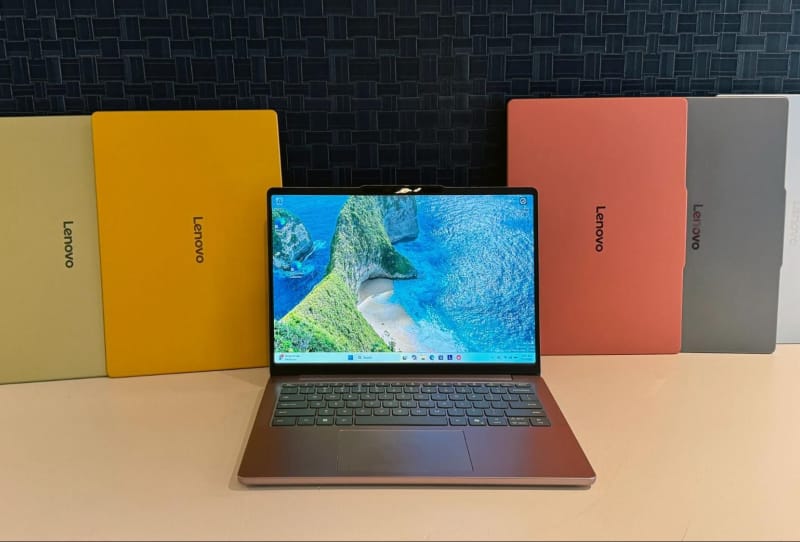
Lenovo IdeaPad Vibe is the company’s latest attempt to make a budget laptop feel personal rather than disposable. Instead of the usual grey or silver slab, the new range comes in seven colours and lets owners swap out individual keycaps, so the keyboard can match the chassis or clash with it on purpose. The 14-inch and 15-inch models are due later this year, built around either Qualcomm Snapdragon X or AMD Ryzen AI 400 processors.
It’s a small idea with a big effect on how a laptop actually feels to own. Most machines in this price bracket look identical from a metre away. Lenovo is betting that a splash of colour and a fiddly, satisfying customisation feature will make the IdeaPad Vibe stand out on a shelf, and on a desk, long after the packaging is gone.
Table of Contents
What Makes the Lenovo IdeaPad Vibe Different
The headline feature is colour choice. Lenovo is offering seven finishes across the Vibe range, moving well beyond the usual black, silver and the occasional pastel blue that dominates budget and mid-range laptops. Exact shade names haven’t all been detailed yet, but the intent is clear: give buyers, especially younger ones and students, something that looks chosen rather than issued.
The more unusual touch is the keycap system. Owners can pop keys off and swap them for a different colour, either to match the lid or to create a deliberate contrast across the keyboard. It’s a similar philosophy to what mechanical keyboard enthusiasts have done for years with aftermarket keycap sets, just built into a mainstream laptop out of the box rather than sold as a separate hobby purchase.
Because the keycaps are removable rather than permanently moulded, Lenovo can offer a level of personalisation that doesn’t require redesigning the whole chassis for every colourway. It also means a scuffed or worn key doesn’t necessarily mean living with it for the life of the laptop.

Snapdragon X and AMD Ryzen AI 400 Chip Options
Under the colourful shell, the IdeaPad Vibe splits into two platforms. Some configurations run Qualcomm’s Snapdragon X chips, the same ARM-based silicon family that powers Microsoft’s Copilot+ PC push, known for strong battery life and efficient on-device AI processing. Others use AMD’s Ryzen AI 400 series, a more traditional x86 chip with its own dedicated AI acceleration hardware.
Offering both isn’t unusual for Lenovo, which has spread Snapdragon X and AMD silicon across its IdeaPad and Yoga lines over the past year. It does mean shoppers will need to pay attention to which chip sits in which configuration, since app compatibility and performance characteristics differ between ARM and x86 platforms, even if both are marketed under the same AI-ready banner.
| Feature | 14-inch IdeaPad Vibe | 15-inch IdeaPad Vibe |
|---|---|---|
| Chip options | Snapdragon X or AMD Ryzen AI 400 | Snapdragon X or AMD Ryzen AI 400 |
| Colour options | Up to seven finishes | Up to seven finishes |
| Keyboard | Swappable keycaps | Swappable keycaps |
| Operating system | Windows 11 | Windows 11 |
| Availability | Later this year | Later this year |
How the IdeaPad Vibe Stacks Up Against Rivals
Colour and customisation aside, the IdeaPad Vibe is competing in a crowded corner of the market. Budget-focused laptops like the MSI Katana 15 HX C14 have leaned on cost-cutting component choices such as older memory standards to hit an accessible price point, while Lenovo’s approach spends its budget on visual flair instead of raw spec bumps.
On the chip side, the Vibe’s dual-platform strategy sits alongside a wider industry shift toward AI-branded processors in even entry-level machines. Other manufacturers have taken different routes to squeeze AI hardware into affordable laptops, including other machines pairing a Ryzen AI chip with everyday hardware rather than premium components. Meanwhile, the broader push behind how AI-focused chips are reshaping laptop design more broadly shows AI acceleration is no longer reserved for flagship gaming or workstation machines.
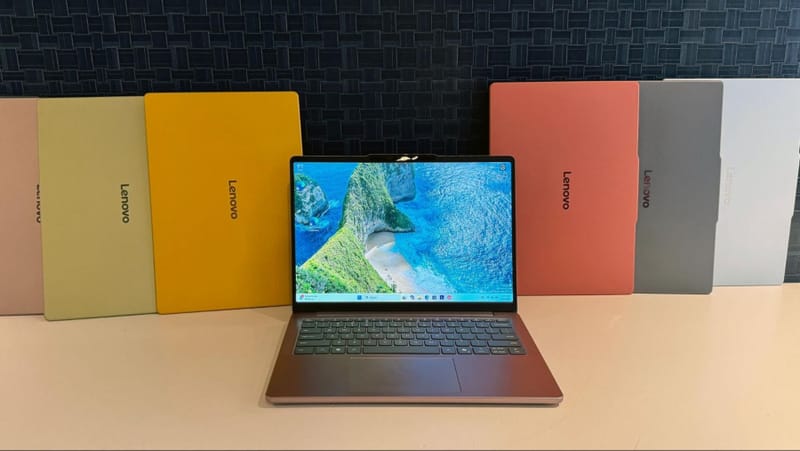
What the Vibe doesn’t appear to chase is raw performance leadership. There’s no mention of discrete graphics or high-refresh displays, which suggests Lenovo is positioning this line for everyday browsing, study and office work rather than gaming or content creation, leaving that ground to its Legion and Yoga siblings.
Why This Matters for Everyday Buyers
Personalisation has quietly become a bigger selling point across tech categories, from custom mechanical keyboards to phone cases and laptop skins. Lenovo baking that customisation directly into the hardware, rather than leaving it to third-party accessories, could appeal strongly to students and first-time laptop buyers who want something that feels distinctly theirs without hunting for stickers or sleeves.
It also signals something about where Lenovo sees growth in the laptop market: not necessarily in chasing benchmark charts, but in making an affordable machine feel less generic. Whether Snapdragon X or AMD Ryzen AI 400 buyers, IdeaPad Vibe owners are being sold on identity as much as specification sheets.
The real test will come once local pricing, exact colour names and regional availability are confirmed. Until then, the Lenovo IdeaPad Vibe stands out mainly for proving that a budget laptop doesn’t have to look, or feel, like every other budget laptop on the shelf.