Xbox Game Pass cloud gaming has lost its unlimited status. Microsoft has begun rolling out monthly time caps on how long subscribers can stream games through the service, with Game Pass Ultimate members now restricted to 15 hours of cloud play a month before they need to buy additional time. Notably, the option to purchase extra hours is not limited to existing subscribers either. Non-subscribers can also pay for cloud streaming access once their allotment runs out, a shift that reshapes how Microsoft treats what was previously pitched as an open-ended perk of its top subscription tier.
The change marks a meaningful departure from how Xbox Cloud Gaming has operated since it launched inside Game Pass Ultimate back in 2020. Streaming games to a phone, tablet, or browser without owning a console or gaming PC was one of the service’s biggest selling points, and until now Microsoft had not publicly attached a strict ceiling to how many hours Ultimate members could use each month.
Table of Contents
What the New Xbox Game Pass Cloud Gaming Limits Look Like
Under the updated structure, Game Pass Ultimate subscribers get 15 hours of Xbox Cloud Gaming access included in their monthly subscription. Once that time is used up, the option appears to buy more hours rather than simply losing access until the next billing cycle. Microsoft has extended that purchase option to people who do not hold an Ultimate subscription at all, effectively opening a pay-as-you-go path into cloud streaming for anyone curious enough to try it without committing to a full Game Pass membership.
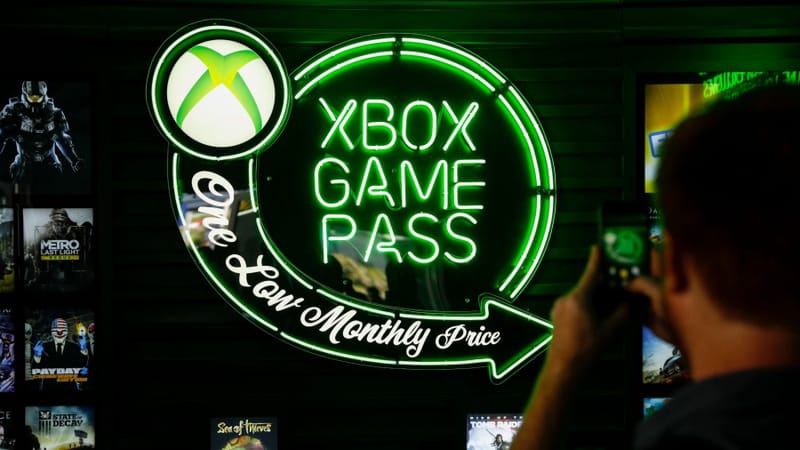
That detail is arguably the more interesting part of the update. Rather than treating cloud streaming purely as a subscriber perk, Microsoft appears to be testing a hybrid model where casual or occasional players can dip into cloud gaming on a pay-per-use basis. It suggests the company sees a market beyond its existing subscriber base, even as it tightens what those existing subscribers get for free.
Why Microsoft Is Capping Cloud Streaming Time
Running cloud gaming infrastructure is expensive. Every streamed session ties up server capacity, GPU resources, and bandwidth, regardless of whether the person playing owns the game outright or is simply trying it through Game Pass. As Xbox Cloud Gaming usage has grown, particularly among mobile players who never touch a console, the cost of keeping that experience genuinely unlimited has likely become harder to justify internally.
Introducing a monthly cap gives Microsoft a predictable baseline for how much server time it needs to provision for included play, while the option to buy extra hours creates a new revenue stream from the heaviest users. It is a familiar pattern in subscription services broadly: offer a generous but bounded allowance, then monetise the outliers who consistently exceed it.
How Xbox Cloud Gaming Compares With Rivals
Xbox Cloud Gaming is not the only service wrestling with how to balance access against infrastructure cost. Nvidia’s GeForce Now has long used tiered access, with its free option limited to shorter individual sessions and paid tiers offering longer, higher-priority streaming. Sony’s PlayStation Plus Premium takes a different approach again, offering game trials capped at a set number of hours per title rather than a broad monthly allowance.
| Service | Included Access | Extra Access |
|---|---|---|
| Xbox Cloud Gaming (Game Pass Ultimate) | 15 hours per month | Purchasable by subscribers and non-subscribers |
| Nvidia GeForce Now | Shorter sessions on the free tier | Longer, priority sessions on paid tiers |
| PlayStation Plus Premium | Time-limited game trials | Requires purchasing the full game for unrestricted play |
Seen against that backdrop, Microsoft’s move brings Xbox Game Pass cloud gaming closer in spirit to how competitors already operate, even if the specific numbers differ. Unlimited cloud streaming was always something of an outlier in the industry, and its removal suggests Microsoft is aligning its cost model with the rest of the market rather than trying to undercut it indefinitely.
What It Means for Game Pass Subscribers
For casual players who dip into a game for an hour here and there, 15 hours a month is unlikely to feel restrictive. The bigger impact falls on subscribers who rely on cloud streaming as their primary way to play, particularly those without a console or gaming PC at home who use Xbox Cloud Gaming on a phone, tablet, or smart TV as their main setup.
Those players now face a choice: pay for extra hours when they run out, or look at cheaper long-term alternatives such as building a gaming PC from scratch, picking up a capable gaming laptop, or investing in local storage like a portable drive to download and keep favourite titles rather than streaming them each time. Local GPU performance on RTX 40 series cards, for instance, sidesteps streaming limits entirely, since nothing is being rendered remotely.
The broader takeaway is that cloud gaming, however convenient, is not immune to the same cost pressures shaping every other corner of the subscription economy. Microsoft has spent years positioning Xbox Cloud Gaming as a flagship reason to subscribe to Ultimate. Attaching a cap, however generous it looks on paper, signals that the era of treating it as a bottomless perk is over.