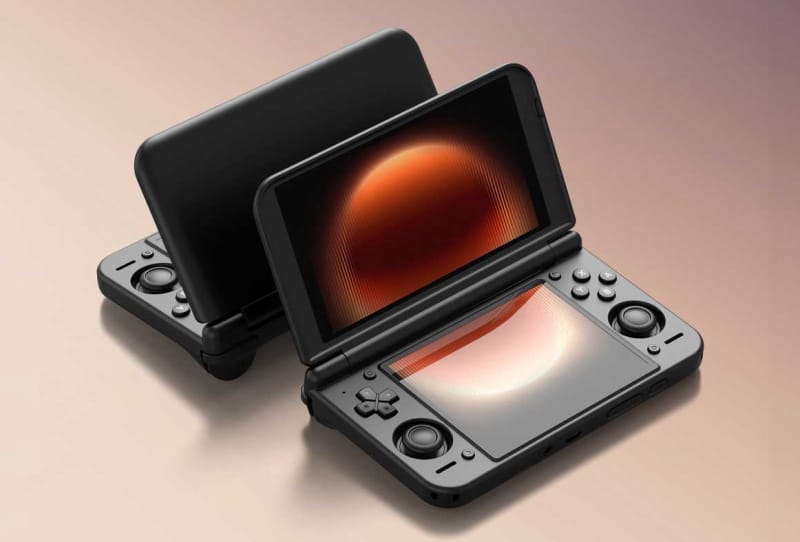
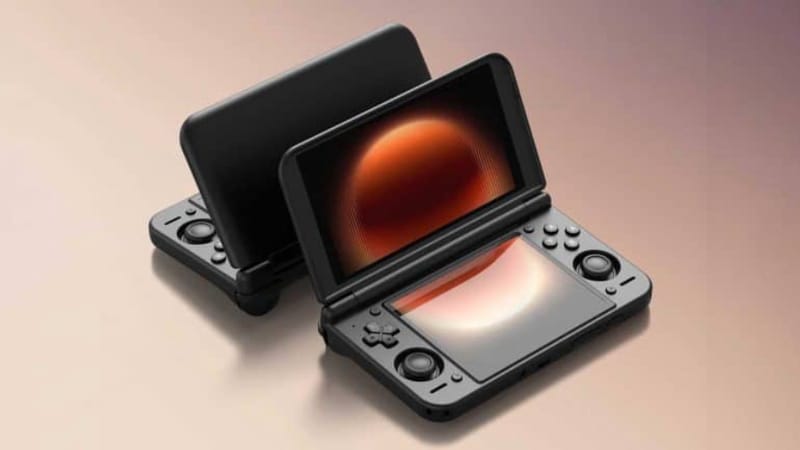
Retroid Pocket Duo has been officially shown for the first time, confirming what handheld fans had been hoping for since rumours of the device first surfaced. The company’s official account posted the first image of the hardware, revealing a genuine dual-screen design built around two 120Hz OLED panels, one in a 16:9 widescreen ratio and the other in a boxier 4:3 format sitting beneath it.
It marks a genuine first for the brand. Retroid has built a strong following with flip-style handhelds and clip-on secondary screen accessories for devices like the recently released Retroid Nova, but nothing in its lineup has combined two full displays into a single dedicated dual-screen system before. That makes the Pocket Duo a notable departure rather than a simple refresh of an existing model.
Table of Contents
What Retroid Pocket Duo actually shows so far
The confirmed details are still fairly narrow, but they are meaningful. Both screens run at 120Hz, which should make a real difference for smoother scrolling and reduced motion blur compared with the 60Hz panels found on many budget retro handhelds. Pairing a 16:9 top display with a 4:3 bottom display is a deliberate choice rather than a compromise, since it lets the device handle two very different eras of gaming without forcing either screen into the wrong aspect ratio.
A 16:9 panel suits modern widescreen titles and emulated systems built around that ratio, while a 4:3 screen is the natural fit for older consoles and handhelds that were designed around boxier displays, think classic Game Boy Advance, Nintendo DS, or early PlayStation output. Splitting the two roles across dedicated panels, rather than stretching or letterboxing content on a single screen, is the kind of detail that retro purists tend to care about a great deal.
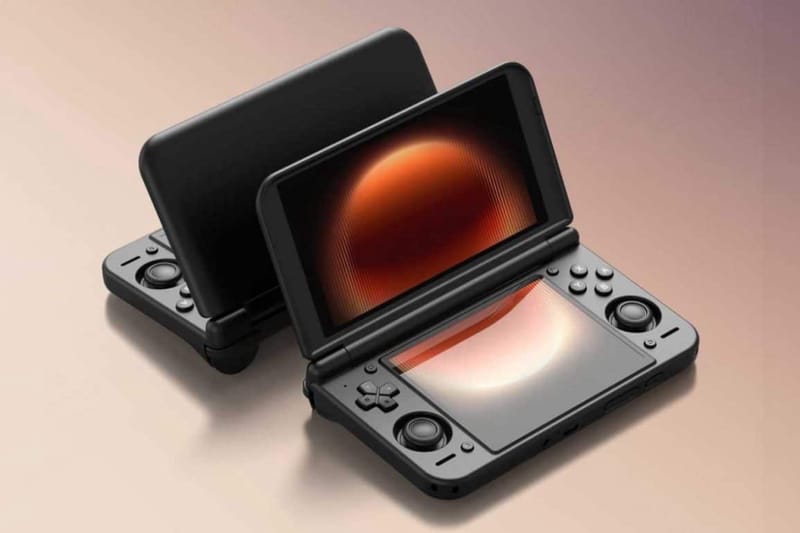
Beyond the screen specifications, Retroid has not yet confirmed pricing, release timing, internal hardware, or battery figures for the Pocket Duo. Speculation from the handheld community suggests the bottom display could echo the 4.5-inch panel used on the existing Retroid Pocket Nova, but that detail has not been verified by the company and should be treated as an educated guess rather than a confirmed spec.
Following in the footsteps of the AYN Thor
The timing is notable because Retroid’s sister company, AYN, released the Thor earlier this year to a genuinely enthusiastic reception among handheld enthusiasts. The Thor helped prove there is real demand for dual-screen Android handhelds beyond the usual flip-phone-style form factor, and Retroid appears to be building on that momentum rather than starting from scratch.
That context matters for how the Pocket Duo will likely be judged once more details land. Buyers who have already used the Thor will compare screen quality, hinge design, software handling of the second display, and overall build quality directly against it. Retroid has a track record of delivering strong value in its existing lineup, so expectations for the Pocket Duo are understandably high given what its sibling brand has already achieved in the same category.
Why a dual OLED handheld matters for retro gaming fans
Dual-screen handhelds occupy a specific niche. They are aimed squarely at people who want to emulate Nintendo DS and 3DS libraries properly, where a second screen is not a gimmick but a functional requirement for touch controls, inventory menus, or secondary gameplay views. A single-screen device can approximate that experience with software tricks, but it is never quite the same as having genuine independent displays.
Choosing OLED for both panels also signals where the wider handheld market is heading. OLED technology delivers deeper blacks, richer colour, and better contrast than the LCD panels that dominated budget handhelds for years, and it is increasingly common across gaming hardware more broadly, including the wider shift toward OLED gaming displays now showing up in higher-end monitors as well. For a dual-screen device specifically, OLED also tends to be thinner and lighter than equivalent LCD panels, which matters when two displays and a hinge mechanism are already adding bulk to the chassis.
None of this confirms how the Pocket Duo will perform once real units reach reviewers, and Retroid has not detailed the chipset, RAM, storage options, or battery life that will ultimately decide whether the hardware backs up its display specifications. What is confirmed is the screen configuration itself, and that alone is enough to put the device firmly on the radar of retro handheld shoppers who have been waiting for exactly this kind of hardware. With OLED panels becoming the norm in gaming hardware generally, Retroid’s timing looks deliberate rather than accidental.
Further specifications, pricing, and an official release window are expected to follow in the coming weeks, and any firm details will need to come directly from Retroid before they can be treated as confirmed rather than community speculation.