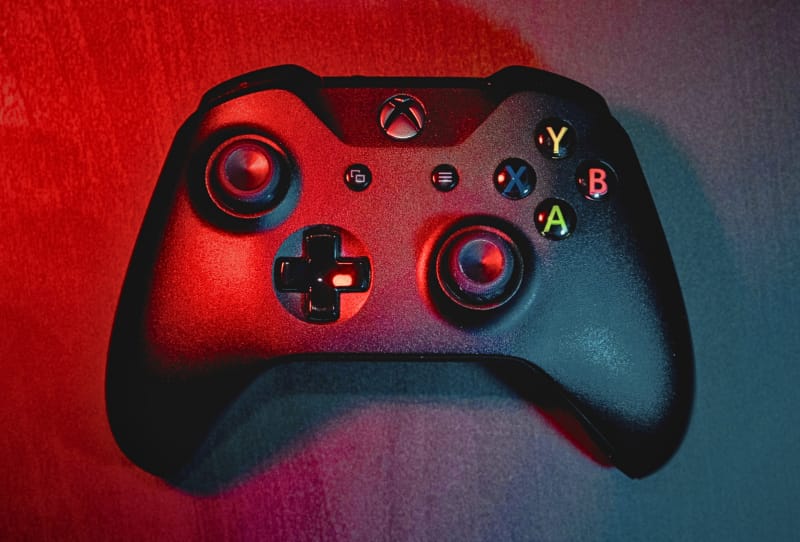
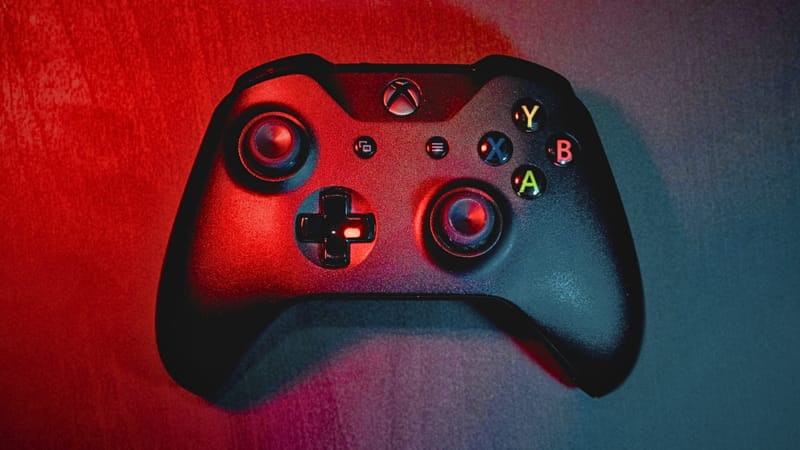
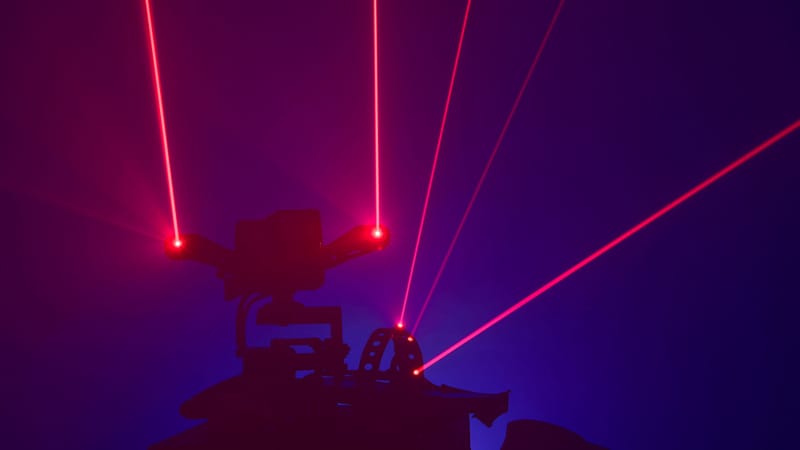
The US Navy laser weapon system now fires using an ordinary-looking Xbox-style controller instead of a custom military console, according to reporting on its deployment aboard a ship in the Strait of Hormuz. Sailors aim and fire the anti-drone laser with the same button layout and joysticks found on a standard Xbox gamepad, a deliberate choice to cut training time and make the weapon easier to operate under pressure.
Key takeaways
- ✓The US Navy laser weapon system is now operated using an Xbox-style controller instead of a bespoke control panel.
- ✓Each laser shot reportedly costs around $13, far cheaper than a missile interceptor.
- ✓The laser has been deployed on a ship in the Strait of Hormuz to counter drone threats.
- ✓Familiar gamepad layouts mean sailors need less specialised training to use the weapon effectively.
- ✓The move follows a long history of the US military adapting consumer game controllers for serious hardware.
Each laser shot reportedly costs around $13, a fraction of the price of a missile interceptor, which can run into the hundreds of thousands of dollars. That cost difference matters a great deal when a ship is fending off waves of cheap drones, a threat that has become increasingly common in contested waters such as the Strait of Hormuz. A laser that can fire repeatedly for the price of a fast-food meal, rather than burning through expensive munitions, changes the calculus of ship defence considerably.
Table of Contents
Why the Navy chose a familiar interface
Designing a bespoke control system for a laser weapon sounds like the obvious engineering choice, but it comes with a hidden cost: training. Bespoke hardware means sailors have to learn an entirely new set of controls from scratch, often under time pressure and far from a classroom. An Xbox-style controller sidesteps that problem because most sailors, like most people under 40, have already spent years with a gamepad in their hands.
That familiarity translates into muscle memory the Navy does not have to teach. Instead of memorising a new interface, operators can focus on tactics, target identification and judgement, the parts of the job that actually require training. It is a pragmatic solution to a problem that has nothing to do with gaming and everything to do with getting a weapon system into reliable use quickly.
There is also a cost argument beyond the per-shot price of firing the laser. Commercial game controllers are mass-produced, well-tested and cheap to replace compared with a custom-built military control panel. If one fails at sea, a replacement is simple and inexpensive, rather than a specialised part that has to be ordered through a defence contractor.
Inside the shipboard laser weapon
The laser weapon in question has been deployed on a Navy vessel operating in the Strait of Hormuz, one of the busiest and most strategically sensitive waterways in the world. Its role is to counter drone threats, which have grown into a persistent concern for naval forces as cheap, expendable unmanned aircraft become more common in regional conflicts.
Unlike a missile system, a laser weapon does not run out of ammunition in the traditional sense. As long as the ship has power to generate the beam, it can keep firing, which is part of why the low per-shot cost is such a significant selling point. Pairing that capability with a controller sailors already understand means the system can go from installed to operational more quickly, without a lengthy specialist training pipeline standing in the way.
The military’s long history with gaming controllers
Repurposing consumer gaming hardware for military use is not new. US submarines in the Virginia class have used modified Xbox 360 controllers to operate periscopes for years, a change made specifically because new recruits already knew how to use them. Bomb-disposal robots deployed in Iraq and Afghanistan have also relied on game-style controllers for similar reasons, trading custom interfaces for something operators could pick up almost instantly.
The pattern reflects a broader shift in defence procurement thinking: when a consumer product already solves a usability problem well, there is little value in reinventing it from scratch at greater expense. The Navy laser weapon system controller fits neatly into that tradition, extending a trend that started with reconnaissance and bomb-disposal hardware into directed-energy weapons.
What it means for sailors and the wider defence industry
For sailors, the practical benefit is straightforward: less time spent learning a new interface and more time spent on the judgement calls that matter during an actual threat. A familiar Xbox controller layout also reduces the chance of operator error during a high-stress engagement, since the muscle memory built up over years of casual gaming transfers directly.
For the defence industry more broadly, the move signals that procurement teams are increasingly comfortable leaning on proven consumer electronics rather than commissioning expensive bespoke hardware for every new system. It is a quiet but meaningful efficiency gain, and one that will likely extend to future weapons and robotics programs run by the US Navy and other branches. As drone threats keep growing, systems that are cheap to fire, cheap to maintain and fast to train on are likely to become the norm rather than the exception.
Frequently asked questions
Why does the Navy use an Xbox-style controller for a laser weapon?
Most sailors already know how to use a standard gamepad layout, so the Navy laser weapon system can be learned quickly without a lengthy specialist training course, cutting both time and cost.
How much does it cost to fire the Navy’s laser weapon?
Each shot reportedly costs around $13, far less than traditional missile interceptors, which can cost hundreds of thousands of dollars per use.
Where has this laser weapon been deployed?
It has been deployed aboard a Navy ship operating in the Strait of Hormuz, where it is used to counter drone threats.
Has the US military used gaming controllers before?
Yes. Virginia-class submarines have used modified Xbox 360 controllers for periscope operation, and bomb-disposal robots in past conflicts have used similar game-style controls.