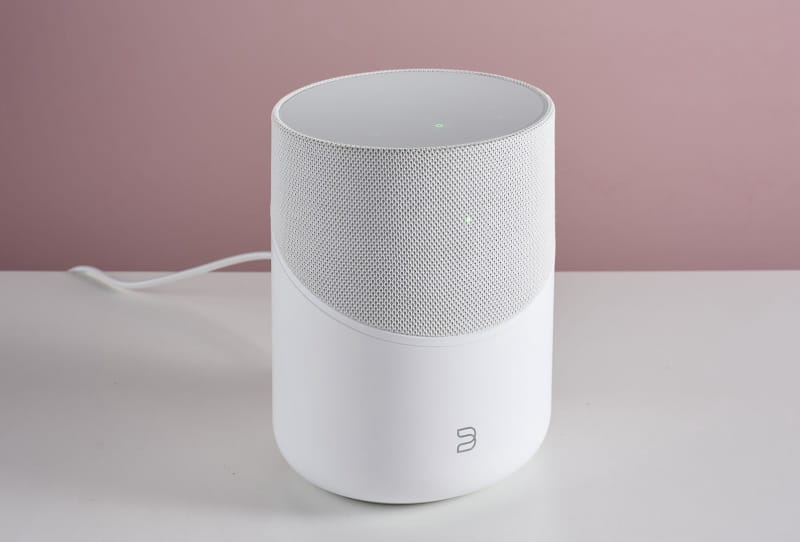
Bluesound Apple Music integration is arriving as a free update to the BluOS platform, letting owners stream directly from the app instead of casting from an iPhone over AirPlay. The change applies across every device running Bluesound’s BluOS software, and it matters because it closes one of the few remaining gaps between Bluesound and market leader Sonos.
Key takeaways
- ✓Bluesound is rolling out native Apple Music support to BluOS as a free software update
- ✓The update removes the need to cast from an iPhone over AirPlay for Apple Music playback
- ✓BluOS also powers multi-room gear from DALI and Monitor Audio, not just Bluesound hardware
- ✓The move positions Bluesound as a stronger Apple-friendly alternative to Sonos
- ✓No exact rollout date has been confirmed beyond Bluesound describing it as coming soon
Until now, Apple Music listeners on BluOS hardware had to lean on AirPlay to get their tunes onto a Bluesound speaker or amplifier, the same workaround required on plenty of third-party systems that lack a dedicated streaming partnership. Native support changes that relationship. Users will be able to browse, search and queue Apple Music tracks from within the BluOS app itself, the same way they already can with Tidal, Qobuz or Spotify Connect.
Table of Contents
What’s actually changing with BluOS and Apple Music
The update folds Apple Music into BluOS as a first-party source, sitting alongside the platform’s existing roster of streaming services. That means playlists, albums and radio stations become searchable inside the BluOS interface, with playback handled entirely by the connected device rather than relayed from a phone or tablet.
Bluesound has not published an exact rollout date, describing the integration only as coming soon. Given it is a software-side change rather than a hardware revision, existing Bluesound products already in homes should be eligible for the update once it ships, with no new purchase required.
Why ditching AirPlay for native streaming matters
Casting audio over AirPlay works fine for a single room, but it ties playback to whichever phone initiated the stream. If that phone rings, goes to sleep, or simply leaves the house, the music can stop. Native Apple Music support avoids that dependency entirely, because the BluOS app controls the service directly rather than relaying audio from another device.
That distinction is particularly useful in a whole-home setup, where several rooms might be playing different Apple Music sources at once. Multi-room systems built around app-native control also tend to recover more gracefully from network hiccups, since the stream isn’t anchored to a mobile device that could change networks or lose a Bluetooth and Wi-Fi connection mid-song.
Bluesound vs Sonos for Apple Music users
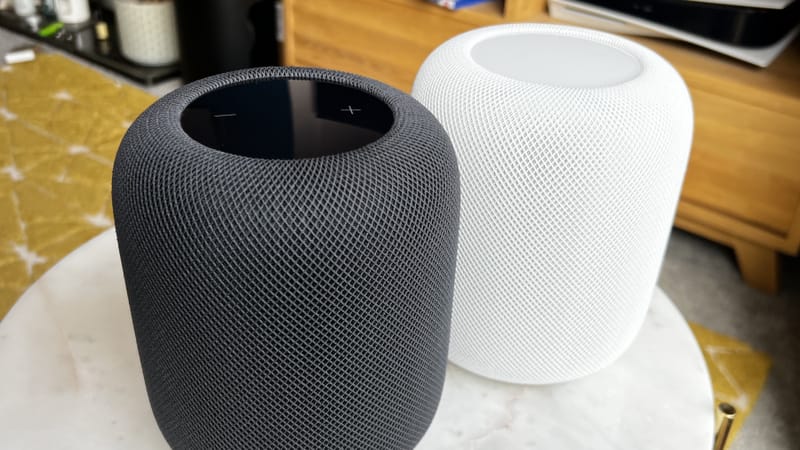
Sonos remains the best-known name in multi-room audio, but its relationship with Apple Music has long relied on AirPlay 2 rather than a deeply integrated, app-native experience. For a household already committed to Apple’s ecosystem, that has made Bluesound’s forthcoming update a meaningful point of difference rather than a minor feature tick.
| Platform | Apple Music access | Playback method |
|---|---|---|
| Bluesound (BluOS) | Native in-app (new) | Direct, app-controlled |
| Sonos | Via AirPlay 2 | Cast from phone or tablet |
The gap was never enormous, since AirPlay 2 is a reliable standard on its own. But removing a dependency on a phone app, and letting BluOS handle search, queuing and playback natively, brings Bluesound’s Apple Music experience closer to how Tidal or Qobuz already work on the platform.
Beyond Bluesound: DALI, Monitor Audio and the wider BluOS ecosystem
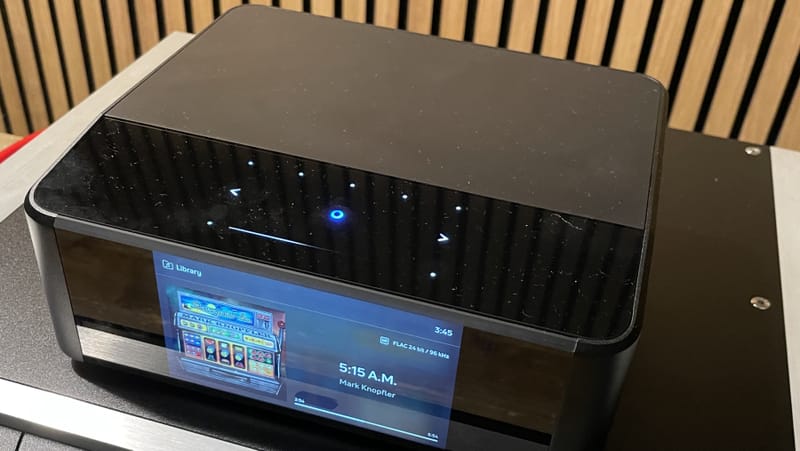
BluOS isn’t exclusive to speakers and amplifiers carrying the Bluesound name. The same software also powers wireless and multi-room products from established hi-fi brands including DALI and Monitor Audio, meaning the Apple Music update should extend well beyond Bluesound’s own product line once it rolls out broadly.
That shared-platform approach is one of BluOS’s quieter advantages. A single software update can touch a wide spread of hardware across different price points and brand identities, from compact wireless speakers to serious stereo amplifiers, without each manufacturer needing to build its own streaming integration from scratch.
For anyone weighing up a multi-room system and leaning toward Apple’s ecosystem, this update is a reason to take a closer look at BluOS-based gear alongside the usual Sonos shortlist. It won’t be the deciding factor for every buyer, but for Apple Music subscribers who have held off due to clunkier casting workflows, it removes a genuine point of friction.
Frequently asked questions
When is the Bluesound Apple Music update rolling out?
Bluesound has described the update as coming soon but has not confirmed an exact release date. It is a free software update delivered through BluOS rather than a new hardware purchase.
Do I need new hardware to get native Apple Music on Bluesound?
No. Because the integration is delivered through a BluOS software update, existing Bluesound, DALI and Monitor Audio devices running the platform should be eligible once the update becomes available.
Does Sonos support Apple Music too?
Yes, but through AirPlay 2 rather than a native in-app integration, which means playback is cast from a connected Apple device rather than controlled directly within the Sonos app.
What other brands use the BluOS platform besides Bluesound?
BluOS also powers multi-room and wireless audio products from DALI and Monitor Audio, so updates like this one typically reach a wider range of hardware than just Bluesound-branded devices.