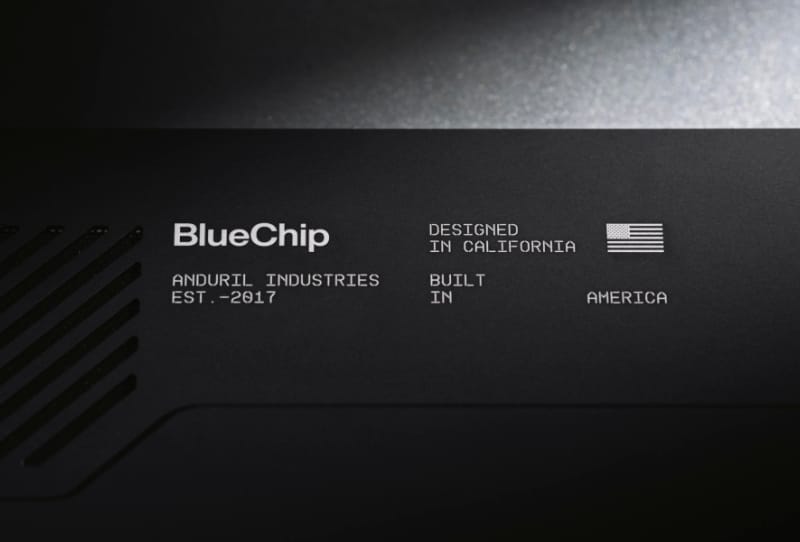
Military drone and defence technology company Anduril has joined forces with chipmaker Qualcomm to launch the Anduril BlueChip laptop program, a venture built around manufacturing laptops on US soil. The first BlueChip prototypes draw roughly 90 percent of their procurement costs from suppliers based in the United States and allied nations, and the two companies say the eventual goal is a fully domestic supply chain. It is a notable shift for a company better known for autonomous drones and defence software than consumer computing hardware.
Key takeaways
- ✓Anduril and Qualcomm have launched BlueChip, a venture to build laptops on US soil
- ✓The first BlueChip prototypes source about 90 percent of procurement costs domestically or from allied nations
- ✓The long-term goal is a fully domestic, 100 percent US-based laptop supply chain
- ✓Qualcomm's Snapdragon chips are expected to power the Arm-based BlueChip laptops
- ✓The project reflects wider concern over reliance on Chinese manufacturing for consumer electronics
The announcement lands at a moment when governments and manufacturers across the world are rethinking how much of their technology supply chain should sit offshore. Laptops, in particular, have long relied on a tightly concentrated manufacturing base centred in China and a handful of other Asian economies. Anduril and Qualcomm are betting that there is both a strategic and a commercial case for pulling more of that production back onto home soil.
Table of Contents
What the Anduril BlueChip laptop venture actually involves
Anduril built its reputation on autonomous defence systems, from surveillance towers to drone technology used by military clients. Moving into laptop manufacturing is a departure from that core business, but it fits a broader ambition the company has spoken about before: rebuilding American industrial capacity for hardware that matters strategically, not just militarily. Anduril frames BlueChip as an extension of that mission rather than a side project.
Qualcomm brings the processing side of the equation. The chipmaker has spent recent years pushing its Arm-based Snapdragon platform into the laptop market as an alternative to traditional x86 processors from Intel and AMD. A domestically-focused laptop line gives Qualcomm another avenue to prove out that Arm-based approach, this time with a defence-industry partner that can lean on government and enterprise relationships the chipmaker does not typically have on its own.
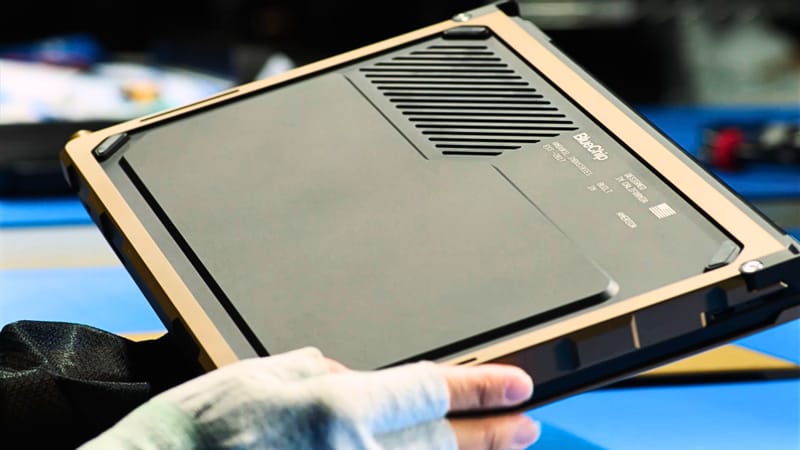
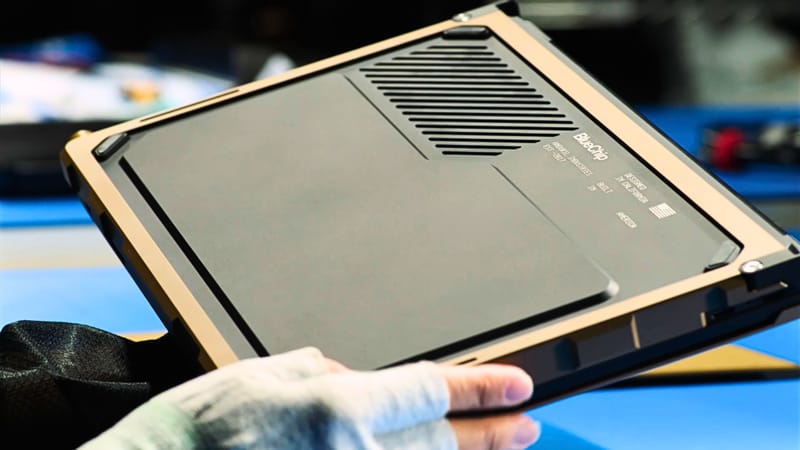
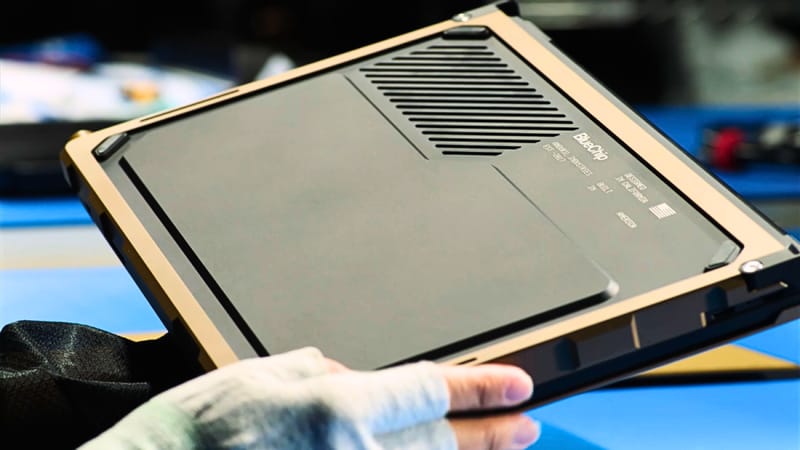
Neither company has detailed full specifications for the first BlueChip units, and pricing has not been discussed publicly. What has been confirmed is the sourcing structure: roughly 90 percent of the procurement cost for early prototypes comes from suppliers in the US or allied countries, a figure the companies describe as a starting point rather than a ceiling.
Why a defence contractor is building laptops at all
The logic behind the Anduril BlueChip laptop push is less about competing with established PC brands and more about supply chain resilience. Electronics manufacturing, including laptop assembly, chip packaging and component sourcing, has become a point of geopolitical leverage in recent years. Export controls, tariffs and trade tensions have repeatedly disrupted hardware supply chains, and governments have grown increasingly uneasy about depending on a small number of overseas facilities for critical technology.
Anduril’s broader business already sits close to national security concerns, so a move into domestically sourced computing hardware is a logical extension. A laptop built with components largely sourced from the US and allied nations could appeal to government agencies, defence contractors and enterprises that need assurance over where their hardware actually comes from, not just how it performs on a benchmark chart.
There is a commercial angle too. If Qualcomm can demonstrate that Arm-based laptops can be built at scale with a largely domestic supply chain, it strengthens the case for Snapdragon processors beyond the niche they currently occupy in the broader laptop market, which is still dominated by x86 chips from Intel and AMD.
What’s confirmed so far, and what’s still unclear
| Detail | Status |
|---|---|
| Venture name | Confirmed: BlueChip |
| Partners | Confirmed: Anduril and Qualcomm |
| Domestic sourcing on prototypes | Confirmed: around 90 percent of procurement cost |
| Long-term sourcing goal | Stated goal: 100 percent domestic supply chain |
| Full specifications | Not yet detailed |
| Release timeline and availability | Not yet announced |
That gap between what has been confirmed and what remains unannounced is worth keeping in mind. Anduril and Qualcomm have been clear about the sourcing ambition, but there is no public detail yet on processor specifications, target buyers, or when a finished BlueChip laptop might actually reach anyone’s desk. Readers should treat the venture as an early-stage initiative rather than a product ready for release.
What it means for buyers and the wider PC industry
For everyday consumers, the immediate impact of the Anduril BlueChip laptop program is likely to be limited. Early units will probably target government, defence and enterprise customers before any broader retail rollout, if one happens at all. But the project still matters for anyone following the shift toward Arm-based computing, since it adds another serious player testing whether Snapdragon chips can carry a domestically built laptop line.
It also adds to a growing pattern of manufacturers and brands rethinking where their hardware actually comes from, a theme that has shown up elsewhere in the PC industry as companies weigh other hardware makers navigating uncertain US launch plans. Whether BlueChip ends up reshaping how laptops get built more broadly will depend on execution, cost, and whether a largely domestic supply chain can keep pace with the rest of other recent laptop launches on price and performance. For now, it stands as one of the more unusual pairings in recent hardware history: a drone maker and a chipmaker, trying to build a laptop industry that depends far less on the rest of the world, building on Qualcomm’s other recent chip work outside the laptop space.
Frequently asked questions
What is Anduril BlueChip?
BlueChip is a joint venture between defence contractor Anduril and chipmaker Qualcomm, created to design and manufacture laptops using components sourced largely from the United States and allied countries.
How much of the BlueChip laptop is made domestically?
The first BlueChip prototypes source roughly 90 percent of their procurement costs from US or allied suppliers, with both companies stating a goal of eventually reaching a fully domestic supply chain.
Will Anduril BlueChip laptops use Qualcomm Snapdragon chips?
Qualcomm’s involvement strongly suggests the laptops will run on Arm-based Snapdragon processors, extending the chipmaker’s push into the laptop market, though full specifications have not yet been announced.
When will BlueChip laptops be available to buy?
No release date or availability details have been confirmed. The venture appears to be in an early, prototype stage focused on supply chain structure rather than a near-term consumer launch.