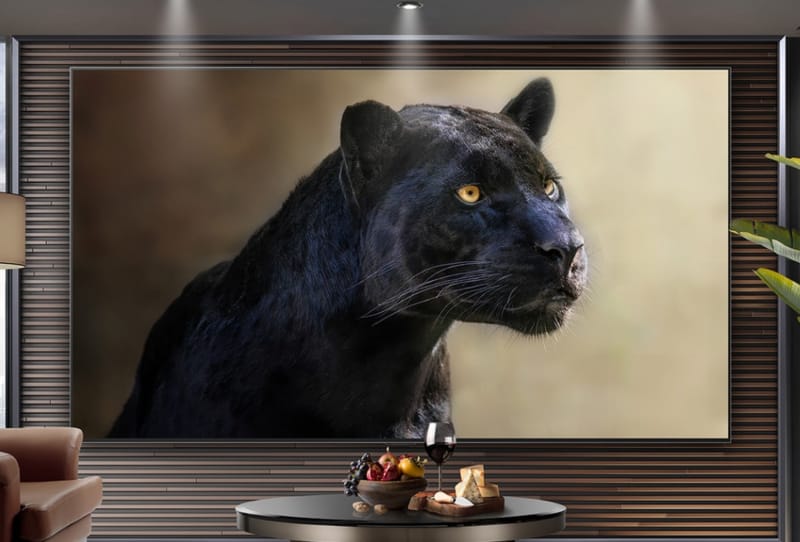
LG Display is reportedly ploughing extra investment into its large-panel OLED production, a move that suggests a 111-inch OLED TV could eventually move from factory ambition to living room reality. According to industry reports, LG Display and an investment partner are adding roughly 1 billion yuan, or somewhere in the vicinity of A$210 million, specifically earmarked for upgrading the equipment needed to produce bigger OLED panels than anything currently on the market.
Key takeaways
- ✓LG Display and a partner are reportedly adding roughly 1 billion extra yuan to large-panel OLED investment
- ✓The move hints at a future 111-inch OLED TV, well beyond today's 97-inch ceiling
- ✓Current flagship OLED TVs from LG, Samsung and Panasonic top out at 97 inches
- ✓Giant screens above 100 inches are currently dominated by LCD and MicroLED technology
- ✓No confirmed timeline, pricing or specifications exist yet for any 111-inch OLED panel
That number alone will not buy a finished television. It buys the tooling, yield improvements and line changes needed to even attempt panels well beyond the current ceiling. For a technology that has been stuck at a 97-inch maximum for years, that is a significant signal of intent.
Table of Contents
Why 97 inches has been the OLED limit
Today’s largest OLED televisions, including LG’s own G5 flagship, Samsung’s S95F and Panasonic’s equivalent models, all share the same 97-inch upper limit. That is not a coincidence. All three rely on panels sourced from LG Display, and the size cap comes down to how efficiently a given sheet of mother glass can be cut into usable panels without excessive waste.
Pushing past 97 inches toward something like a 111-inch OLED TV means either working with a larger glass substrate or finding smarter ways to cut existing substrates with less wasted material. Both options are expensive, which is presumably why the additional yuan is being directed at production upgrades rather than new product development alone.
It is worth remembering that OLED’s size ceiling has crept upward before. The format moved from 88 inches to 97 inches over several years, and each jump required exactly this kind of manufacturing investment before any finished television appeared on shelves.
What this means against rival screen technologies
Screens above 100 inches are not new. Buyers chasing a genuinely massive display already have options from brands like Hisense, TCL and Samsung, mostly built on large LCD panels or Samsung’s MicroLED modular displays, which assemble smaller tiles into a seamless giant screen. These technologies can comfortably stretch past 110 inches today.
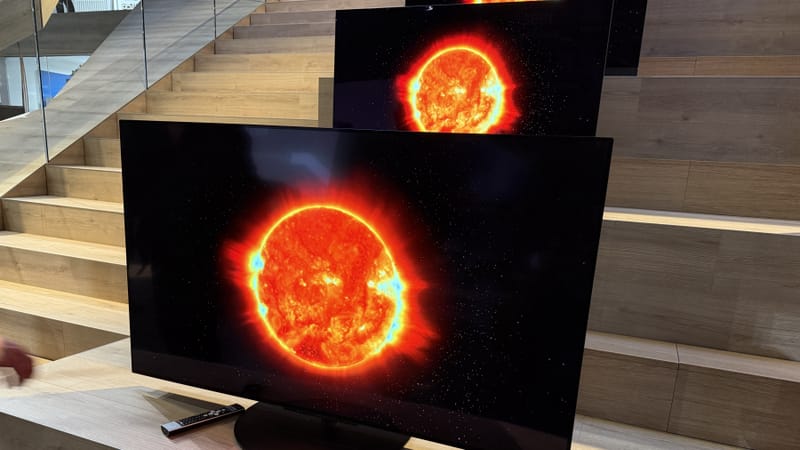
What they cannot easily match is OLED’s per-pixel contrast and black-level performance, which has made OLED the preferred choice for serious home theatre enthusiasts despite its smaller maximum size. A 111-inch OLED TV would, in theory, combine that contrast advantage with a scale currently reserved for LCD and MicroLED, closing a gap that has existed for years between picture quality and sheer screen real estate.
The practical challenges remain real. Larger OLED panels historically carry lower manufacturing yields, meaning more panels are rejected during production, which tends to push prices higher and availability lower, at least in the early stages of any new size entering mass production.
What’s confirmed and what’s still rumour
None of this should be read as a confirmed product announcement. The reported investment figure and its purpose come from industry sources rather than an official statement from LG Display itself, and no timeline, specification sheet or pricing has been disclosed. A 111-inch OLED TV, if it eventually reaches production, would likely take years to move from upgraded factory lines to an actual retail model.
LG Display has not published details of the investment on its own channels, and companies in the display supply chain routinely explore manufacturing upgrades that never result in a shipping product. The gap between funding a production line upgrade and announcing a finished 111-inch OLED TV is considerable, and reports like this should be treated as an early signal rather than a release roadmap.
Still, the direction is telling. Display manufacturers do not typically commit extra capital to large-panel production without a commercial reason, and the home theatre market has shown consistent appetite for bigger screens, particularly as LCD and MicroLED rivals continue to push size records that OLED currently cannot match.
What it means for home theatre buyers
For anyone currently shopping for a very large television, nothing changes immediately. The 97-inch OLED ceiling remains the practical maximum for the format today, and shoppers wanting something bigger will still need to look at LCD-based giants or Samsung’s MicroLED range.
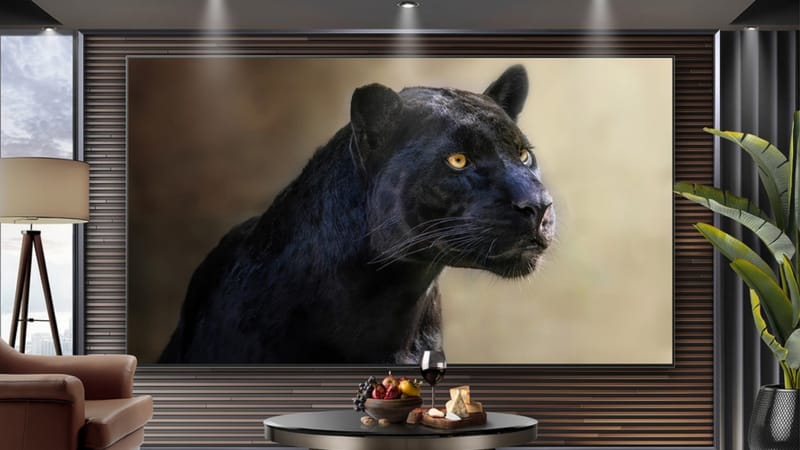
Longer term, a confirmed 111-inch OLED TV would matter most to buyers building dedicated home cinema rooms, where screen size and black-level performance both carry real weight. It would also likely arrive at a premium price point initially, given the yield challenges that come with any new large-panel OLED size.
Whether LG Display pushes this investment through to an actual retail product, or whether it quietly folds into general manufacturing upgrades, should become clearer over the next product cycle or two. Until then, the 111-inch OLED TV remains an intriguing possibility rather than a confirmed plan.
Frequently asked questions
Is a 111-inch OLED TV officially confirmed?
No. The reported investment comes from industry sources rather than an official LG Display announcement, so there is no confirmed product, release date or pricing at this stage.
What is the biggest OLED TV available right now?
The current maximum is 97 inches, available from LG, Samsung and Panasonic, all of which use panels supplied by LG Display.
Why can’t OLED TVs already go bigger than 97 inches?
Panel size is limited by how efficiently manufacturers can cut usable panels from a sheet of mother glass. Moving beyond 97 inches requires either larger glass substrates or improved cutting efficiency, both of which need significant investment.
How does a potential 111-inch OLED TV compare to MicroLED or LCD giants?
Rival technologies like MicroLED and large LCD panels already reach well past 110 inches, but OLED typically offers stronger contrast and deeper blacks. A larger OLED panel would combine that picture quality advantage with a scale closer to its biggest rivals.