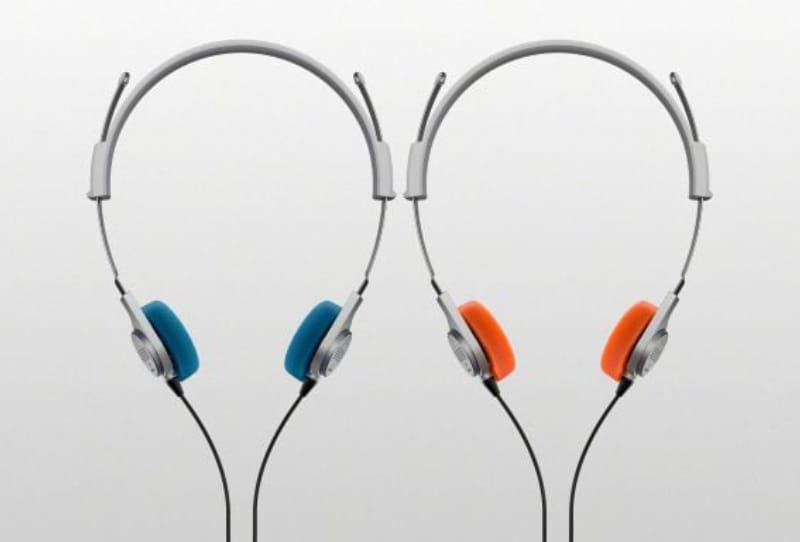
Sony has brought back its 1979 MDR-3 headphones as the new Sony MDR-3R headphones, keeping the same featherlight foam-cushioned design that shipped with the very first Walkman but swapping the original 3.5mm cable for USB-C. It is a deliberate piece of nostalgia aimed at a generation that never owned the original, built with enough modern engineering to make it more than a costume piece.
Key takeaways
- ✓Sony has reissued its 1979 MDR-3 Walkman headphones as the MDR-3R, now with USB-C instead of a 3.5mm jack.
- ✓The MDR-3R weighs 38 grams and uses re-engineered 23mm drivers inside the original foam-cushioned design.
- ✓USB-C connectivity means no battery charging, no Bluetooth pairing, and no firmware updates required.
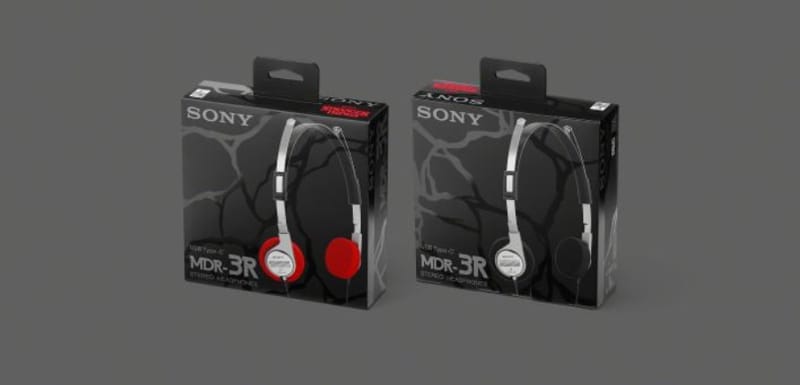
- ✓A Stranger Things tie-in edition adds red and black earpads with custom packaging and an engraved logo.
- ✓The design ships with swappable blue and orange earpads plus packaging that mirrors the 1979 original.
The timing is no accident. Wired headphones and earbuds have been quietly creeping back into fashion, driven largely by Gen Z buyers chasing Y2K-style gear and the visual cues of decades they never lived through. Sony is not the first major brand to notice; Bose recently released wired, noise-cancelling earbuds aimed at a similar crowd. With the MDR-3R, Sony is leaning into its own archive rather than chasing a trend from outside.
Table of Contents
What the Sony MDR-3R headphones actually offer
Underneath the retro skin sits a genuinely updated pair of headphones. Sony says the MDR-3R uses re-engineered 23mm drivers designed to deliver a cleaner, punchier sound than the 1979 original while keeping the same open, breezy acoustic character that made the MDR-3 a favourite for casual listening on the move.
USB-C is the headline change. Rather than relying on a battery, the MDR-3R draws power directly from whatever device it is plugged into, whether that is a phone, tablet, or laptop. That removes the usual hassles associated with wireless headphones: no charging cycles, no Bluetooth pairing, and no firmware updates to manage. For anyone weighing up choosing the right USB-C headphones for an Android phone, this kind of plug-and-play simplicity is exactly the appeal of going wired in 2026.
Sony has also added a few conveniences the original never had, including an in-line remote and a built-in microphone for hands-free calls. Those additions sit alongside the MDR-3R’s featherweight build, which tips the scales at just 38 grams, light enough to disappear during long listening sessions.

A faithful recreation of the 1979 design
Visually, Sony has stuck closely to the source material. The MDR-3R carries over the same ultra-slim adjustable metal headband, minimalist open-air frame, and instantly recognisable foam ear cushions that defined the original MDR-3. Each set ships with interchangeable blue and orange earpads in the same colourway as the 1979 release, and Sony has gone as far as recreating the original packaging and instruction manual artwork.
That attention to detail matters for a product that is explicitly selling nostalgia rather than outright performance. The MDR-3 originally shipped bundled with the TPS-L2, the Walkman model that helped kick off the personal audio category, and the MDR-3R leans heavily on that history. It arrives not long after renewed interest in Sony’s high-res Walkman lineup, suggesting the company sees genuine commercial value in reviving its back catalogue rather than treating it as a one-off gimmick.
| Feature | Detail |
|---|---|
| Driver size | 23mm, re-engineered for the reissue |
| Weight | 38 grams |
| Connector | USB-C, powered by the connected device |
| Earpads included | Swappable blue and orange pads |
| Extra features | In-line remote, built-in microphone |
| Special edition | MDR-3R x Stranger Things, red and black pads |
A Stranger Things tie-in edition
Alongside the standard reissue, Sony has released an MDR-3R x Stranger Things edition. This version swaps the blue and orange pads for red and black cushions, ships in custom packaging, and carries an engraved Stranger Things logo on the headband. It is a straightforward licensing play, pairing one slice of 1980s-adjacent nostalgia with another, but it does give buyers who want something a little different a reason to pick the tie-in over the standard colourway.
Neither version is positioned as a serious rival to noise-cancelling studio headphones. They will not block out a noisy commute, and the open-back design means sound leaks both ways. Anyone shopping for critical listening or mixing work is better served by something like the studio-focused headphones from OLLO Audio, which are built for a completely different kind of accuracy. The MDR-3R is not trying to compete on that front.
Why the wired revival makes sense right now
It is easy to dismiss retro audio gear as a fad, but the appeal is practical as well as aesthetic. Wired headphones sidestep battery degradation entirely, a real concern as more listeners hold onto gear for years rather than upgrading annually. They also avoid the connection drops and codec compromises that can affect wireless listening, even as wireless audio’s own push toward lossless sound continues to narrow that gap.
For Sony, reviving the MDR-3 as the MDR-3R is a low-risk way to tap into that mood while reinforcing its own history in personal audio. It will not replace a flagship pair of over-ear headphones, and it was never designed to. What it offers instead is a lightweight, simple, nostalgic option for anyone who wants their music playback to feel a little less complicated, backed by Sony’s own engineering rather than a third-party knockoff. Full specifications and availability details are listed on Sony’s official MDR-3R product page.
Frequently asked questions
Do the Sony MDR-3R headphones use Bluetooth?
No. The MDR-3R is a wired pair that connects over USB-C, drawing power directly from the connected phone, tablet, or laptop rather than relying on a battery or wireless pairing.
Can the Sony MDR-3R headphones work with a 3.5mm cable or an original Walkman?
No. The MDR-3R uses USB-C exclusively, which means it cannot plug into an original cassette Walkman or any device limited to a 3.5mm headphone jack without an adapter.
What is different between the standard MDR-3R and the Stranger Things edition?
Both use the same drivers and build, but the Stranger Things edition swaps the blue and orange earpads for red and black cushions, adds custom packaging, and includes an engraved Stranger Things logo on the headband.
Are the Sony MDR-3R headphones noise-cancelling?
No. They use an open-air design with foam cushions rather than sealed, noise-cancelling ear cups, so outside sound passes through freely in both directions.