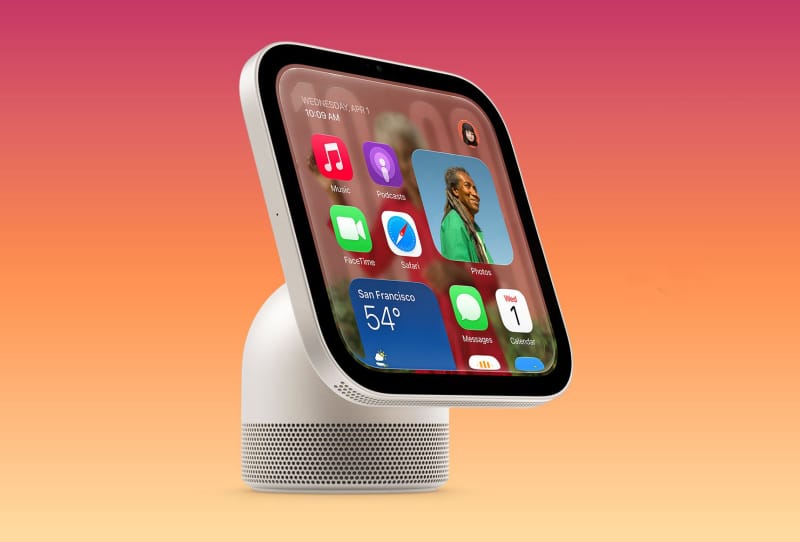
The FCC satellite Bluetooth plan to let orbiting satellites pick up Wi-Fi and Bluetooth signals from everyday devices has drawn a formal warning from a tech trade group representing Apple, Google and Intel, which says the scheme could let companies or governments track people without their knowledge or consent. The concern centres on whether satellites could passively scan for the short-range wireless signals that laptops, phones and smart home gadgets constantly broadcast.
Key takeaways
- ✓The FCC is exploring letting satellites use Wi-Fi and Bluetooth bands for direct-to-device connectivity.
- ✓CCIA, representing Apple, Google and Intel, warns satellites could passively track Bluetooth Low Energy signals.
- ✓SpaceX, Qualcomm and AST SpaceMobile broadly support the idea but flag technical hurdles.
- ✓The NYPD wants safeguards against interference with emergency radio bands used for surveillance operations.
- ✓Reply comments on the proposal are open until 7 December 2026.
The proposal itself dates back to August, when the Federal Communications Commission voted to examine reforming how Wi-Fi and Bluetooth spectrum can be used. The idea is to let a much wider range of consumer devices connect directly to satellites, rather than relying solely on ground-based towers or dedicated satellite hardware. In practice, that could mean a laptop or phone picking up internet access in a remote paddock, national park or stretch of outback with no mobile coverage at all.
Table of Contents
What the FCC satellite Bluetooth plan actually proposes
Today, satellite-to-device services such as those offered by Starlink and AST SpaceMobile typically operate in licensed cellular bands, under agreements with mobile carriers. The FCC’s new idea goes further, opening up the unlicensed bands used by ordinary Wi-Fi routers and Bluetooth accessories so satellites can tap into them too. That would, in theory, let far more devices connect to orbiting hardware without needing new chips designed specifically for satellite cellular bands.
Public comments on the first round of the proposal closed this week, drawing submissions from companies with very different stakes in the outcome, including SpaceX, Qualcomm and AST SpaceMobile. Reply comments responding to what has already been filed remain open until 7 December 2026, giving the FCC several more months of input before any rule changes take shape.
Bluetooth already carries plenty of day-to-day data for consumers, and the push to squeeze more performance and range out of the standard has been building for a while. Network engineers have been testing newer Bluetooth standards already pushing more data over the air, which shows how much headroom the protocol still has for new use cases such as this one.
Why privacy groups are worried
The sharpest objection comes from the Computer & Communications Industry Association, a trade group whose members include Apple, Intel and Google. In a five-page filing, the CCIA pointed out that Bluetooth devices constantly send out short signals called advertising packets, which announce a device’s presence and capabilities so nearby gadgets can find and pair with it. That is how a phone discovers a wireless keyboard or how a fitness tracker connects to an app.

The group’s concern is that a satellite authorised only to listen, rather than transmit, could quietly detect and locate ordinary Bluetooth Low Energy advertising from huge numbers of consumer devices, all without the device manufacturer’s involvement or the owner’s awareness. Karina Perez, director of the CCIA’s Space and Spectrum Policy Center, told PCMag that because direct-to-device connectivity in unlicensed bands is new territory, the FCC needs to be careful about how it licenses these satellites and how the resulting data could be used.
Perez argued that manufacturers should keep flexibility over how their devices authorise and connect to satellite networks, so that space-based connectivity can grow without eroding user control or privacy. It is a notably cautious position from a group whose own members, including Apple and Google, stand to benefit commercially if satellite-to-device features become standard on future hardware.
Industry split: support, caution and interference worries
Not every submission raised alarm. Broadcom backed the plan outright, noting that laptops and Internet of Things devices are typically sold without cellular radios at all, so extending satellite connectivity to Wi-Fi-enabled hardware could multiply the economic and public benefits already expected from licensed direct-to-device services.
SpaceX, which operates both the Starlink satellite constellation and millions of home Wi-Fi routers, said it has a strong interest in keeping Wi-Fi reliable. It recommended a standard-agnostic sharing framework that would let next-generation satellites use the spectrum without being tied to the existing IEEE 802.11 Wi-Fi standard, arguing that satellite links operate in far less crowded conditions than a typical home network and can use different protocols to deliver better performance. The company also floated potential uses such as connectivity for autonomous vehicles doing infrastructure checks or search and rescue work under tree cover.
AST SpaceMobile, a rival in the satellite-to-device space, said the technical questions raised by the proposal should not stand in the way of innovation and consumer benefits such as expanded broadband in outdoor areas. Qualcomm struck a more measured tone, warning that existing consumer electronics cannot reliably talk to a satellite without significant hardware changes, and that new devices built for this purpose would need their own FCC equipment approvals. Separately, the New York Police Department flagged a different worry entirely: it relies heavily on these same radio bands for tactical operations, video surveillance and emergency communications, and wants firm safeguards against interference before any changes go ahead.
What it means for everyday device owners
For now, nothing changes for anyone using a phone, laptop or smart home gadget today. The FCC is still gathering input, and any rule change would need further proceedings before satellites could legally start listening for or transmitting Bluetooth and Wi-Fi signals. But the debate highlights a genuine trade-off: the same broadcast signals that let a smartwatch find a phone or a smart speaker join a home network are also detectable from a long way off if the right receiver is listening.
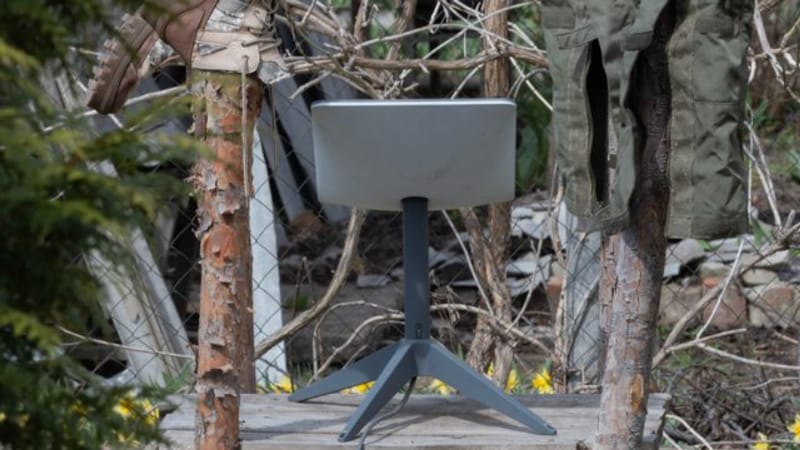
The outcome will matter most to anyone who already relies on satellite connectivity away from mobile coverage, including people using gear like satellite internet hardware like Starlink Mini 2 on remote trips. If the FCC eventually allows broader satellite access to Wi-Fi and Bluetooth bands, device makers will likely face pressure to build in clearer consent controls, so that a feature meant to deliver emergency connectivity does not double as an unintentional tracking tool.
Frequently asked questions
What is the FCC satellite Bluetooth plan actually about?
It is a proposal the FCC voted to examine in August, looking at whether satellites should be allowed to use the same Wi-Fi and Bluetooth radio bands found in everyday consumer devices, potentially letting phones and laptops connect directly to satellites for internet access in areas without mobile coverage.
Why do privacy groups say it could enable surveillance?
Bluetooth devices regularly broadcast short signals called advertising packets to announce their presence to nearby gadgets. The CCIA warns that a satellite built only to listen could detect and locate these signals from large numbers of devices without the manufacturer or owner ever knowing it happened.
Does this affect devices people already own?
Not yet. The proposal is still in the public comment stage, with reply comments open until 7 December 2026. Qualcomm has noted that most existing consumer electronics would need hardware changes to communicate with a satellite under this scheme.
Who supports and who opposes the plan?
Broadcom, SpaceX and AST SpaceMobile broadly support exploring the idea, citing potential benefits for outdoor connectivity and underserved areas. The CCIA, representing Apple, Google and Intel, and the New York Police Department have raised privacy and interference concerns that they want addressed before any rules are finalised.