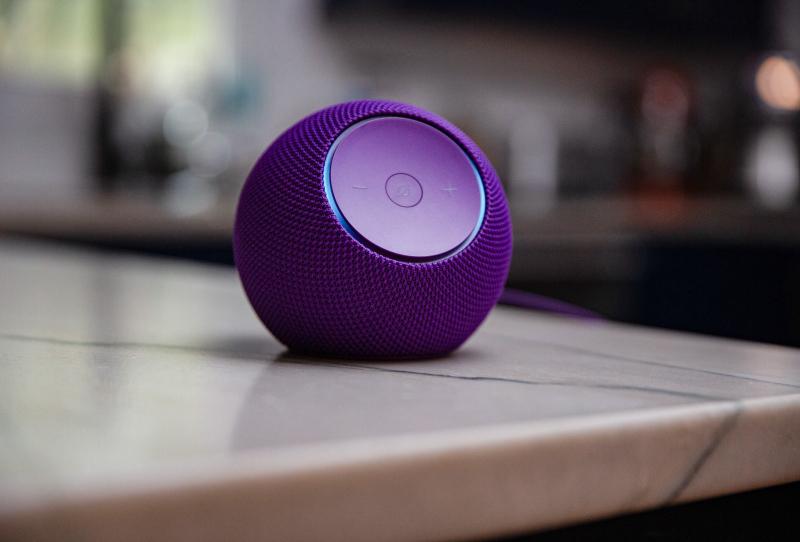
The Amazon Echo price increase confirmed by the company this week is not limited to smart speakers. Fire TV streaming devices and Kindle e-readers have also crept up in price, according to changes now visible across Amazon’s own storefront. The move affects some of the company’s most popular hardware lines, the kind that sit in millions of Australian and global households as the entry point into the Alexa ecosystem.
Amazon has not issued a splashy press release about the change. Instead, the adjustments appear to have rolled out quietly over recent weeks, spotted first by shoppers comparing listings and later confirmed through pricing trackers. That pattern, a gradual shift rather than a single announcement, is typical of how large retailers manage sensitive pricing news they would rather not headline.
Table of Contents
What the Amazon Echo Price Increase Covers
The change touches three of Amazon’s core hardware categories: Echo smart speakers and displays, Fire TV streaming sticks and boxes, and Kindle e-readers. These three product families have long served as loss-leaders of sorts for Amazon, priced aggressively to pull customers into subscriptions like Prime, Kindle Unlimited and Amazon Music, and to normalise Alexa as a household voice assistant.
Because these devices are sold in huge volumes, even a modest per-unit increase adds up quickly across Amazon’s global retail business. The affected lineup spans entry-level models aimed at first-time buyers through to higher-specification devices with larger displays or better speakers, meaning the change is not confined to a single tier of the range.
| Product line | Typical role | Change reported |
|---|---|---|
| Echo speakers and displays | Alexa smart home hub | Prices raised across several models |
| Fire TV sticks and boxes | Streaming media player | Prices raised on multiple SKUs |
| Kindle e-readers | Dedicated reading device | Prices raised on current generation devices |
Why the Amazon Echo Price Increase Happened Now
Amazon has pointed, at least informally, to a familiar mix of pressures: tariffs on electronics manufactured in Asia, rising component costs, and broader inflation in shipping and logistics. Many Echo, Fire TV and Kindle devices are assembled in China, which has made them a recurring flashpoint whenever trade tensions between Washington and Beijing escalate.
Tariff exposure is not new for Amazon’s hardware division. Analysts have warned for several years that consumer electronics companies would eventually need to pass at least part of any tariff burden on to shoppers, having absorbed earlier increases to protect market share. This latest move suggests that buffer has worn thin, particularly for devices sold at thin margins to begin with.
There is also a strategic angle. Amazon has been investing heavily in generative AI features for Alexa, including the more capable Alexa+ assistant, and those investments carry real infrastructure costs. Nudging hardware prices upward, even slightly, helps offset some of that spend without directly touching subscription pricing.
How This Compares With Previous Amazon Pricing Moves
Amazon has historically treated Echo, Fire TV and Kindle pricing as remarkably stable, using temporary sales events rather than permanent list price changes to move units. Deep, short-term discounts during events like Prime Day have long been the norm, while the underlying list price rarely moved for years at a stretch.
A broad, simultaneous increase across three separate device families marks a departure from that approach. It signals less confidence that discount events alone can offset rising input costs, and it puts Amazon’s hardware pricing strategy closer to that of rivals such as Google and its Nest and Chromecast lines, which have also faced upward pressure on device pricing in recent years.
What It Means for Buyers and the Wider Market
For households already invested in the Alexa ecosystem, the immediate impact is limited. Existing Echo speakers, Fire TV players and Kindle devices are unaffected; the change applies to new purchases going forward. Anyone weighing up an upgrade or a first purchase, however, may find the calculus shifts slightly compared with what earlier buyers paid.
The broader signal matters more than the specifics of any single device. If tariffs and component costs continue climbing, other smart home and streaming hardware makers may follow with their own adjustments, since few companies can indefinitely absorb rising costs without eventually reflecting them in what customers pay. For an industry that has spent a decade competing partly on how cheaply it could put a voice assistant or streaming stick into every room of the house, that shift is worth watching closely.