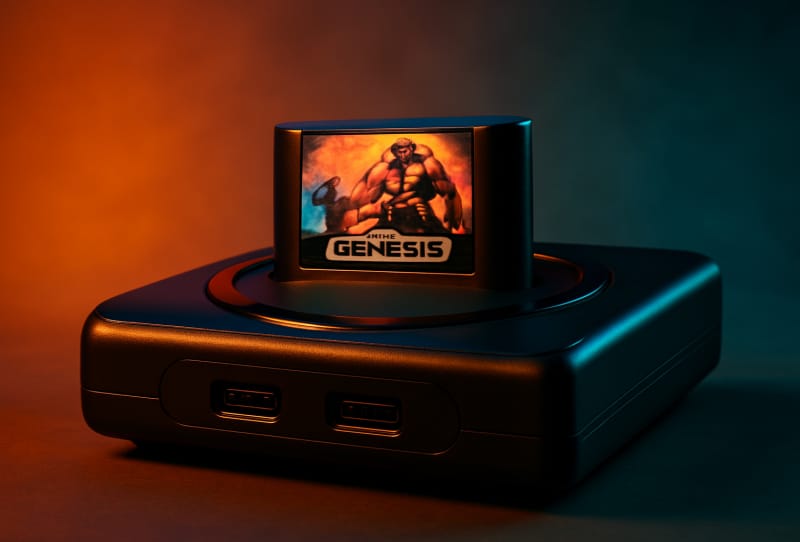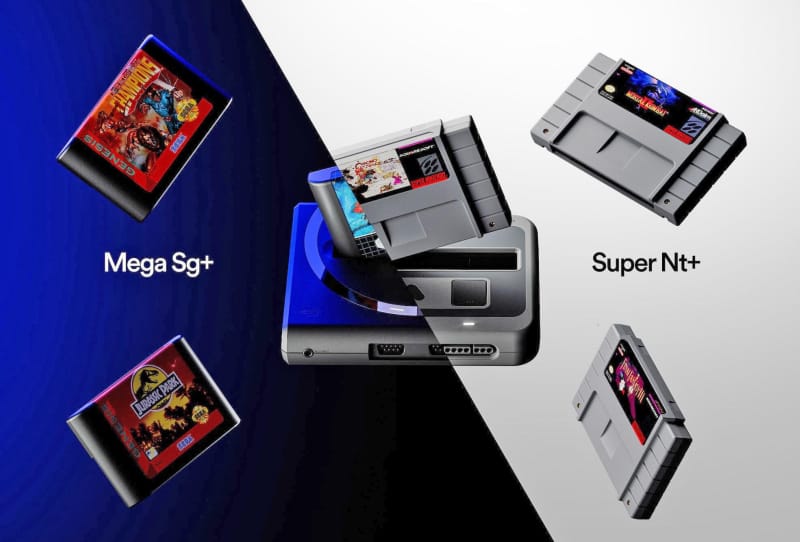
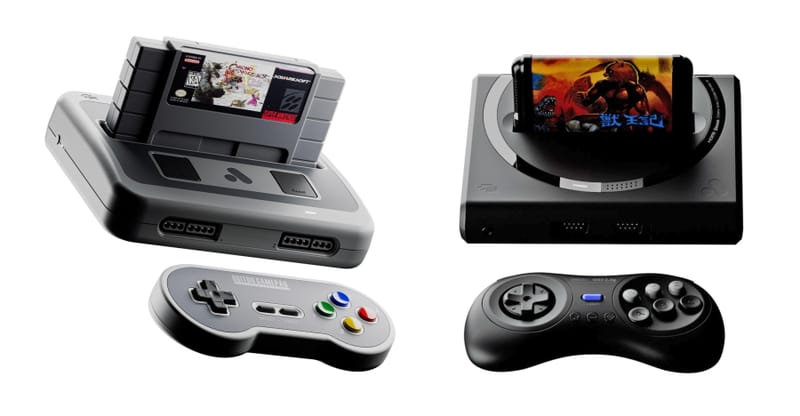
Analogue has unveiled the Super Nt Plus and Mega Sg Plus, reworked versions of its celebrated SNES and Sega Genesis-compatible consoles. Both machines keep the FPGA chip that made the originals famous for faithfully reproducing classic hardware, but they add a redesigned chassis and, for the first time, built-in wireless connectivity for controllers and accessories. Neither a release date nor pricing has been confirmed, though the announcement shows Analogue is still committed to the two console lines that built its name.
Key takeaways
- ✓Analogue has announced the Super Nt Plus and Mega Sg Plus, updated versions of its FPGA-based SNES and Genesis consoles
- ✓Both new models add built-in wireless connectivity for controllers and accessories, removing the need for separate adapters
- ✓The Plus consoles gain USB-C and extra USB-A ports alongside a reworked industrial design
- ✓Both still use an FPGA chip to replicate original SNES and Genesis hardware and play real cartridges
- ✓Analogue has not confirmed a release date or pricing for either console yet
Table of Contents
What’s actually changing in the Super Nt Plus and Mega Sg Plus
The most noticeable shift is wireless support baked directly into the hardware. Where earlier Super Nt and Mega Sg units relied on original control pads or third-party wireless adapters bought separately, the Plus versions fold that functionality straight into the console itself. Players pairing a compatible wireless controller no longer need an extra dongle cluttering the setup.
Both consoles also pick up a wider range of ports, including USB-C alongside USB-A, which should simplify charging accessories and connecting peripherals that have moved away from older USB standards. Analogue has paired that with what it calls a reworked industrial design, suggesting a visual refresh on top of the functional changes, though the company hasn’t detailed every cosmetic tweak yet.
Super Nt Plus and Mega Sg Plus at a glance
| Feature | Original Super Nt / Mega Sg | Super Nt Plus / Mega Sg Plus |
|---|---|---|
| Controller connectivity | Wired pads or optional add-on wireless adapters | Built-in wireless support for controllers and accessories |
| Ports | Limited USB-A connectivity | USB-C plus additional USB-A |
| Industrial design | Original console shell | Reworked design |
| Core processing | FPGA chip, native cartridge support | Same FPGA chip, same cartridge support |
Why Analogue keeps building consoles around FPGA chips
Unlike a software emulator running on a PC, phone or generic mini console, an FPGA chip is reconfigured at the hardware level to behave like the original SNES or Genesis processor. That means no software translation layer, no input lag introduced by emulation, and cartridge slots that accept real SNES and Genesis carts rather than ROM files. It’s the reason the original Super Nt, launched in 2017, and the Mega Sg, which followed in 2019, built such a loyal following among collectors who wanted authentic behaviour without hunting down ageing original consoles.
Analogue has since extended that approach across its lineup, including the Analogue Pocket handheld for Game Boy and Game Gear cartridges and the Analogue 3D for Nintendo 64 games. The Super Nt Plus and Mega Sg Plus fit that same pattern: keep the hardware-accurate core that earned trust with purists, then modernise the parts of the experience that have aged, namely how players connect controllers and accessories.
What the upgrade means for retro gaming fans
For anyone who already owns a Super Nt or Mega Sg, the Plus models are mainly a quality-of-life upgrade rather than a technical leap. The emulation accuracy and cartridge compatibility that made the originals worth owning haven’t changed. What has changed is the everyday experience of using them, with wireless controllers reducing cable clutter and USB-C making power and accessory connections less fiddly.
That matters because retro gaming setups have become more elaborate over the years, often paired with retro-styled displays built for classic hardware and other accessories designed to recreate an authentic look without sacrificing modern convenience. Analogue’s refresh fits neatly into that trend, and it arrives alongside a broader enthusiast culture that keeps finding new ways of extending console hardware, from emulation boxes to projects pushing consoles well beyond their factory settings.
Until Analogue confirms pricing and availability, the practical impact for buyers is limited to anticipation. Existing Super Nt and Mega Sg owners aren’t losing anything by holding onto their current units, since the core FPGA experience is unchanged. For newcomers who held off because of the lack of native wireless support, the Plus versions remove that final hurdle to picking up an authentic, cartridge-compatible SNES or Genesis console in 2025’s hardware market.
Frequently asked questions
What is the difference between the Super Nt and the Super Nt Plus?
The Super Nt Plus keeps the same FPGA chip and SNES cartridge compatibility as the original Super Nt but adds built-in wireless connectivity for controllers and accessories, extra USB-C and USB-A ports, and a reworked industrial design.

Does the Mega Sg Plus still play original Sega Genesis cartridges?
Yes. Like its predecessor, the Mega Sg Plus uses an FPGA chip to replicate original Sega Genesis and Mega Drive hardware, allowing it to accept real cartridges rather than relying on software emulation.
When can buyers get the Super Nt Plus and Mega Sg Plus?
Analogue has not announced a release date or pricing for either console. Both details remain unconfirmed at this stage.
Do the new consoles need a separate wireless adapter for controllers?
No. Unlike earlier models that often needed an add-on wireless adapter, the Super Nt Plus and Mega Sg Plus build wireless controller support directly into the hardware.