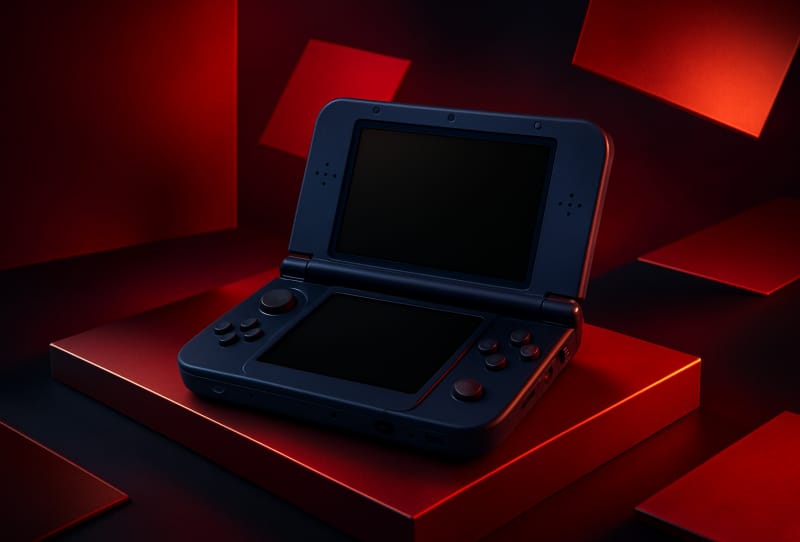
The Anbernic RG DDS handheld has officially launched, pairing twin screens with a Qualcomm Snapdragon chipset in a device built specifically for retro console emulation on the move. Anbernic calls it the “Dream Dual-Screen,” and the name spells out exactly what the company is chasing: a handheld that can run classic dual-screen console libraries, alongside a much wider range of emulated systems, without the compromises that cheaper dual-screen devices usually carry.
Key takeaways
- ✓Anbernic's RG DDS handheld pairs two screens with a Qualcomm Snapdragon chipset for retro emulation.
- ✓The device targets Nintendo DS and 3DS-style dual-screen gaming alongside broader console emulation.
- ✓It follows Anbernic's cheaper RG DS and an earlier Snapdragon-powered handheld pitched against the Switch Lite.
- ✓Full specifications such as RAM, storage and battery life have not yet been detailed by Anbernic.
- ✓The RG DDS adds to a growing field of Android-based retro handhelds from Anbernic, Retroid and rivals.
Alongside the announcement, Anbernic released a demonstration video showing emulators spanning several console generations running on the hardware. That kind of showcase is a deliberate signal. Rather than simply promising broad compatibility, the company wants buyers to see the RG DDS handling older 8-bit and 16-bit systems through to more demanding platforms in real time, suggesting the Snapdragon silicon inside has genuine headroom beyond basic Nintendo DS emulation.
Table of Contents
A dual-screen design built for classic console emulation
Dual-screen handhelds exist to solve one specific problem: games built around Nintendo’s DS and 3DS hardware rely on two displays working together, often with touch input on the lower screen. Running those libraries on a single-screen Android handheld usually means awkward on-screen overlays or split layouts that eat into playable space. A dedicated dual-screen layout avoids that compromise entirely.
Anbernic already has form here. Its earlier RG DS targeted the same idea at a far more accessible price, and has been a popular entry point for players wanting authentic DS-style emulation without paying for one of the pricier specialist handhelds on the market. The RG DDS effectively picks up that formula and pushes it further upmarket, built-in Snapdragon power.
That shift to a Snapdragon processor matters because it moves the RG DDS away from the budget ARM chips typically found in cheaper dual-screen units. Snapdragon-based Android handhelds generally handle a far wider emulation range, stretching from early consoles through to systems like the PSP and, depending on optimisation, select Dreamcast or light GameCube titles.
Anbernic RG DDS handheld specs and what’s confirmed so far
Anbernic’s announcement confirms the headline elements: a dual-screen form factor, a Qualcomm Snapdragon platform under the hood, and a design squarely aimed at retro and emulation gaming rather than modern Android titles. The company has not yet published a full specification sheet detailing exact RAM, storage, battery capacity or screen resolution figures, so those details remain to be confirmed as launch draws closer.
That gap is worth flagging honestly rather than guessing. Handhelds in this category typically ship in multiple storage configurations, and many buyers in the retro emulation space add their own expanded storage anyway, which is part of why compact gaming-focused storage products, including tiny storage solutions built specifically for handheld gaming, have become their own small niche.
How the RG DDS fits into Anbernic’s broader handheld lineup
Anbernic has built its reputation on covering almost every price point and form factor in portable retro gaming, from inexpensive clamshell devices through to higher-powered single-screen handhelds the company has previously pitched as rivals to Nintendo’s own Switch Lite. The RG DDS slots in as the dual-screen flagship of that range, aimed at players who specifically want authentic DS and 3DS-era emulation alongside broader compatibility.
It also arrives into a market that is no longer uncontested. Retroid’s own dual-screen handheld has pushed the category toward higher-resolution OLED panels and faster chipsets, raising the bar for what a dual-screen device needs to offer to stand out. Other manufacturers chasing the same niche, including makers of other compact retro handhelds built around classic carts, show just how quickly this corner of handheld gaming has grown from a small hobbyist curiosity into a genuine product category with real competition.
What the Anbernic RG DDS handheld means for retro gaming fans
For players who have long juggled separate devices or clunky overlay software to emulate dual-screen consoles properly, the RG DDS represents a more purpose-built option, provided Anbernic backs up its demo video with consistent real-world performance. A Snapdragon chipset paired with a genuine dual-screen layout is a meaningful step up from entry-level dual-screen handhelds, without needing to compromise on either comfort or compatibility.
The bigger picture matters too. Anbernic moving a Snapdragon chipset into its dual-screen line suggests the company sees enough demand to justify a more premium dual-screen product, rather than leaving that tier entirely to rivals. Buyers weighing up their next retro handheld would do well to wait for Anbernic’s full specification reveal before deciding, since battery life, screen quality and exact performance figures will ultimately determine whether the RG DDS lives up to its “Dream Dual-Screen” branding.
Frequently asked questions
What is the Anbernic RG DDS handheld?
It is a newly announced dual-screen gaming handheld from Anbernic, built around a Qualcomm Snapdragon chipset and designed primarily for emulating classic dual-screen consoles like the Nintendo DS, alongside a wider range of older gaming systems.
What chipset does the Anbernic RG DDS use?
Anbernic has confirmed the device runs on a Qualcomm Snapdragon platform, though the exact model number and supporting specifications like RAM and storage have not yet been detailed publicly.
How is the RG DDS different from Anbernic’s RG DS?
The RG DS was positioned as a budget-friendly dual-screen handheld running on simpler hardware, while the RG DDS steps up to Snapdragon silicon, aiming for broader emulation compatibility and stronger overall performance.
Is the Anbernic RG DDS handheld available to buy now?
Anbernic has announced the device and shared demonstration footage of it running various emulators, but a full specification sheet and confirmed availability details have not yet been published.