The GOG Preservation Program has crossed a notable milestone, expanding its library to 304 titles and, for the first time, giving players the chance to print their own physical game boxes at home. GOG confirmed the update on September 8, adding five classic titles to the roster while announcing a new partnership that brings old-school box art into the age of 3D printing.
The five new additions are Star Trek: 25th Anniversary, Armikrog, Descent, Hitman: Codename 47, and Myst. Each joins a growing list of games that GOG has committed to keeping playable on current hardware, not just archived in a digital vault somewhere.
Table of Contents
What the GOG Preservation Program Actually Does
Being added to the GOG Preservation Program means more than simply being available for download. GOG dedicates actual development time to making these games run properly on modern PCs, which often involves patching in support for current CPUs and GPUs, unlocking higher frame rates, and fixing display issues so the games work correctly at widescreen aspect ratios and modern resolutions.
Those fixes matter more than they might sound. Older titles like Descent and Myst were built for CRT monitors and hardware that no longer exists in any modern PC build, so without this kind of intervention they can crash, run at broken speeds, or simply refuse to launch. Hitman: Codename 47, the game that kicked off IO Interactive’s long-running stealth series, faces similar compatibility headaches on newer systems.
With this batch of additions, the total library sits at 304 games, a figure GOG has been building toward since launching the initiative. It is a similar philosophy to the kind of backward-compatibility work seen elsewhere in the industry, including libraries like Steam Deck’s own verified games catalogue, where playability on current hardware is treated as an ongoing responsibility rather than a one-off launch feature.
A New Partnership Brings 3D Printable Box Art
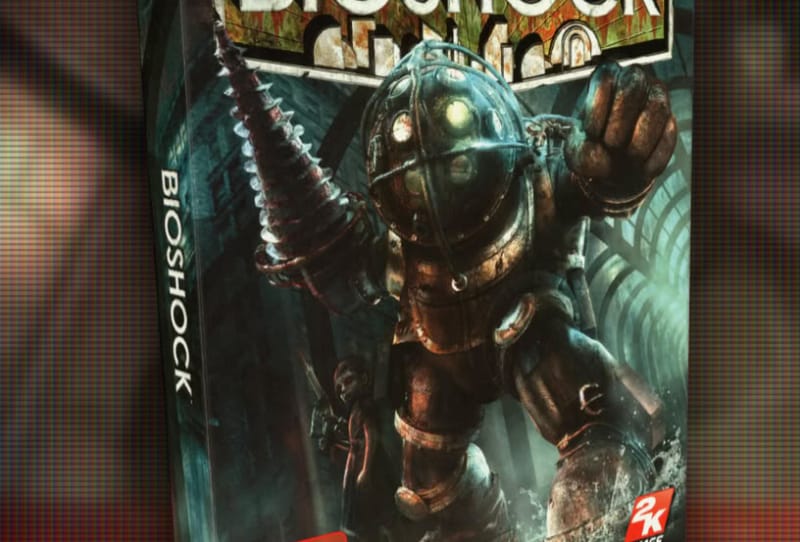
Alongside the new games, GOG announced a partnership with Big Box Collection, a separate preservation project focused on physical game packaging rather than the software itself. Big Box Collection uses 3D scanning to capture old game boxes, inserts, and other physical media, then stores that data online as both viewable 3D models and printable papercraft templates.
Under the new arrangement, GOG’s latest five additions will ship with this box art attached. Players will be able to view the original packaging as a 3D model on their PC, or download a printable version and assemble a physical replica of the box at home. GOG has confirmed this support for the five new titles specifically, though it remains unclear how far the partnership will extend across the rest of the 304-game library.
It is a fitting complement to the software side of preservation. Anyone with access to a decent home 3D printer could feasibly recreate shelf-worthy versions of boxes that have not been manufactured in decades, turning a digital purchase into something with a bit more physical presence.
Why Preserving Old Games Still Matters
Game preservation has become a bigger talking point across the industry as older titles quietly disappear from sale, get delisted due to expired licensing, or simply stop working on current operating systems. Physical media preservation faces the same pressure, since original boxed copies of games like Myst or Star Trek: 25th Anniversary are increasingly hard to find in good condition.
GOG’s approach stands out because it treats preservation as active maintenance rather than a static archive. That distinction echoes broader conversations happening in PC gaming right now, including unreleased builds turning up in a recent Steam leak, which highlighted just how much gaming history exists outside official channels and how fragile that record can be without deliberate effort to protect it.
The Big Box Collection tie-up extends that same instinct to physical artefacts. Box art, manuals, and packaging inserts were often as much a part of the experience as the disc inside, particularly for PC games from the 1990s that leaned heavily on elaborate cover illustrations to stand out on store shelves.
What It Means for Players and Makers
For anyone who grew up with these titles, the update offers a genuine reason to revisit them, whether that means finally beating Descent’s disorienting six-degrees-of-freedom corridors or replaying the original Hitman before its more polished sequels. The technical patches should make that experience far less frustrating than hunting down old fan patches or fiddling with compatibility settings.
For the growing community of hobbyist makers and programs introducing students to 3D printing, the printable box art adds a creative side project to the mix, blending retro gaming nostalgia with a practical use for a home 3D printer. Whether GOG expands this box art support across its full catalogue remains to be seen, but the direction signals that preservation, for GOG at least, now covers more than just the code.