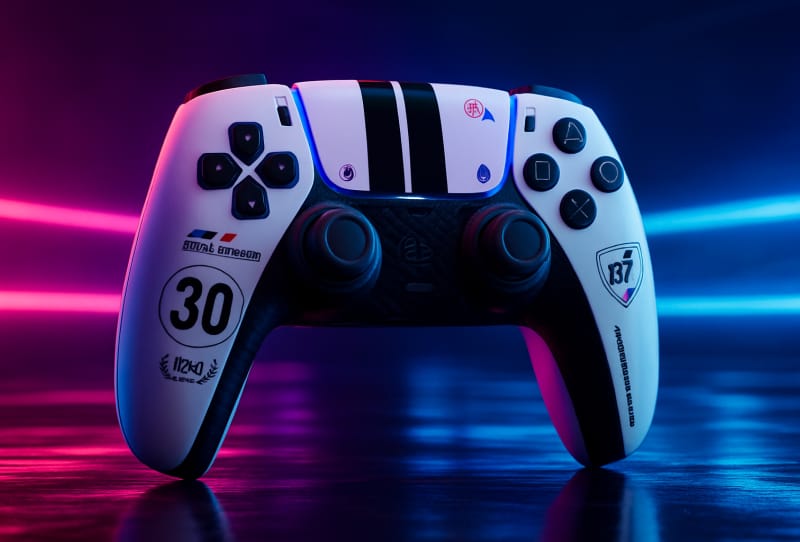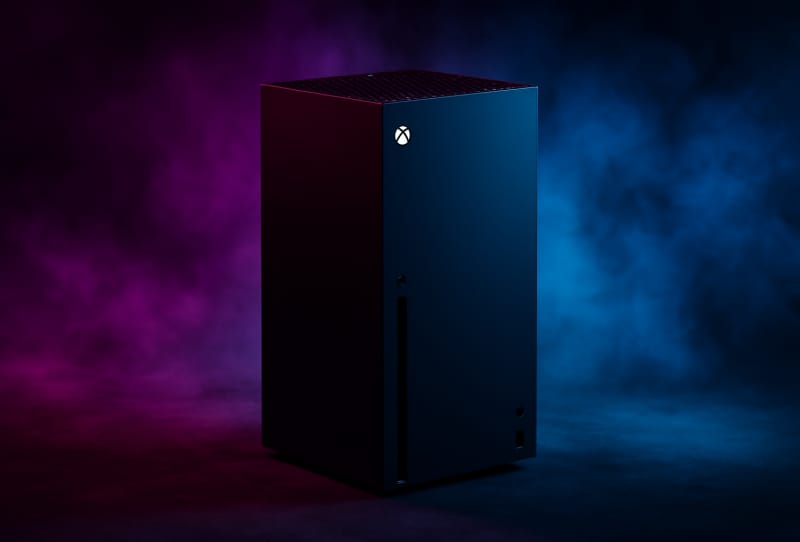
Long drives, camping trips and airport layovers are a lot easier with a console on hand, but a car cabin is not built like a lounge room. This guide walks through how to hook up a game console in a car safely and reliably, whether you are travelling with a handheld, a hybrid console, or a full home console powered off the car battery.
Table of Contents
What you’ll need
- A console suited to portable use, such as a handheld, hybrid console, or a home console plus an inverter
- A 12V car power outlet, USB-C car charger, or a portable power station
- A screen, either the console’s own display, a portable monitor, or the car’s built-in entertainment screen if compatible
- Headphones or a wired/wireless audio setup, since speaker sound is impractical in a moving car
- A secure mount or holder, such as a headrest mount, cup holder stand, or lap tray
- Games downloaded or installed in advance, plus any physical game cases stored safely
Choose the right console for a car setup
Not every console travels equally well. A handheld or hybrid console is by far the simplest option because it already runs on its own battery and screen, so there is no need to run cables to a TV or worry about mounting a separate display. A full home console, such as a PlayStation or Xbox, can technically be used in a car, but it needs a power inverter, a screen, and a stable flat surface, which adds complexity and risk on a moving vehicle.
| Console type | Power needs | Screen needs | Best use case |
|---|---|---|---|
| Handheld or hybrid (e.g. Switch, Steam Deck, Retroid) | Built-in battery, USB-C car charger for top-ups | Built-in screen | Passenger gaming on any trip |
| Home console (PlayStation, Xbox) | Power inverter plugged into a 12V outlet | Portable monitor or car entertainment screen | Long stops, camping, parked use |
| Retro or mini console | USB power bank or car USB port | Small portable monitor | Nostalgic gaming during breaks |
Set up power safely
- For a handheld or hybrid console, use an official or certified USB-C car charger plugged into the vehicle’s 12V outlet or USB port, and charge during the drive rather than waiting until the battery is empty.
- For a home console, connect a power inverter rated to handle the console’s wattage to the car’s 12V socket or a portable power station, then plug the console into the inverter as you would a wall outlet at home.
- Avoid overloading a single 12V socket with an inverter, a charger, and other accessories at once, since this can trip the car’s fuse or draw too much current.
- Turn the engine on or keep the battery sufficiently charged during longer sessions, since running electronics off a parked car for extended periods can drain the starter battery.
Connect a screen
- If using a handheld console, skip this step entirely and rely on its built-in display.
- For a home console, connect it to a portable monitor using the appropriate video cable, mounted securely on a headrest or dashboard bracket at a safe distance from the passenger’s eyes.
- Some vehicles include rear-seat entertainment screens with external inputs; check the car’s manual to see if it accepts a console’s video output directly.
- Keep screens angled to avoid glare and positioned so they do not obstruct the driver’s view or mirrors under any circumstance.
Sort out audio and controllers
- Use wired or wireless headphones rather than the console’s built-in speakers, both for comfort and to avoid distracting the driver.
- Pair or plug in a controller before the trip starts, and carry a spare cable or extra batteries in case of disconnection.
- If more than one passenger wants to play, confirm the console and controllers support local multiplayer before setting expectations for the trip.
Mount everything securely
- Use a purpose-built headrest mount, cup holder stand, or lap tray designed to hold a console or monitor steady over bumps and turns.
- Route all cables away from foot space, door hinges, and seat mechanisms so nothing gets pinched or pulled loose.
- Store spare controllers, chargers, and any physical game cases in a padded pouch rather than loose on the seat, where they can slide around or get sat on.
Tips and troubleshooting
Before any trip, take the time to download games onto your console before you leave, since mobile signal and car Wi-Fi are unreliable for large downloads or updates. If you plan on bringing physical media, collectible releases with textured foil cover art, such as a Zelda Ocarina of Time remake foil cover edition, are worth keeping in a hard case rather than a bag pocket, since heat inside a parked car and constant handling can dull the foil finish over time. A cooler cabin also protects console hardware generally, as prolonged heat exposure can affect battery life and internal components on handhelds left in direct sun.
If the console keeps disconnecting from a screen or controller, check that all cables are firmly seated and that the inverter is supplying stable power, since voltage fluctuations from a car’s electrical system can sometimes cause dropouts. For a general refresher on setting up a console in a fixed space like a bedroom, many of the same cable management and power principles carry over to a car, just on a smaller scale.
Frequently asked questions
Can you play a PlayStation or Xbox in a moving car?
It is possible using a power inverter and a portable monitor, but it works best when parked or for a passenger in the back seat with a secure mount, since a moving vehicle makes precise cable and screen positioning harder to keep stable.
Is a Nintendo Switch or handheld console better for car trips?
Yes, for most travellers a handheld or hybrid console is the simplest option because it has its own battery and screen built in, removing the need for a separate monitor or inverter setup. Check the Nintendo Switch support site for guidance on charging and battery care while travelling.
Will running a console drain the car battery?
A handheld charging over USB draws minimal power and is unlikely to be an issue. A home console running through an inverter draws considerably more, so it is safer to run the engine periodically or use a separate portable power station rather than relying solely on a parked car’s battery.
Do I need internet access to game in the car?
Not for single-player or offline titles, provided games and updates are downloaded beforehand. Online multiplayer or cloud-based titles need a stable connection, which most car trips cannot reliably provide outside of populated areas.