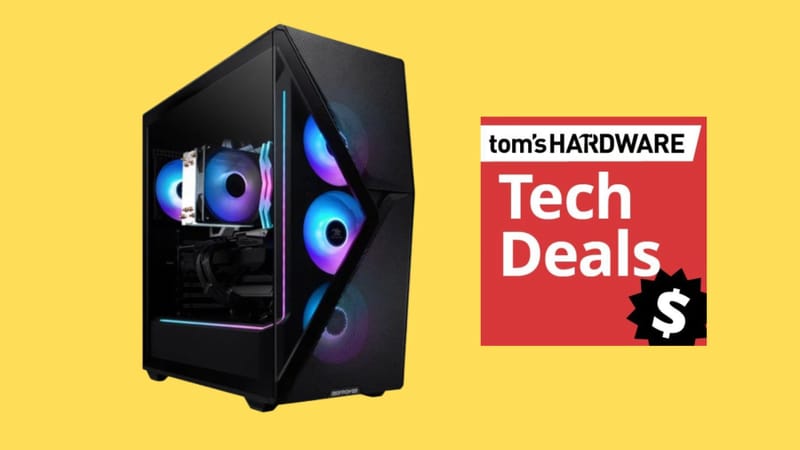
The iBuypower Slate gaming PC pairs an Intel Arc B570 graphics card with 10GB of dedicated video memory, a ten-core Intel Core Ultra 5 225F processor, 16GB of DDR5 memory and a 1TB NVMe SSD. That combination lands it squarely in the entry-level 1080p gaming bracket, but the VRAM figure on that GPU is bigger than a lot of rivals offer at a similar tier, which makes this particular build worth a closer look for anyone assembling their first gaming rig.
Key takeaways
- ✓The iBuypower Slate gaming PC pairs an Intel Arc B570 GPU with 10GB of VRAM for 1080p gaming.
- ✓It also includes a 10-core Intel Core Ultra 5 225F processor, 16GB of DDR5 memory and a 1TB NVMe SSD.
- ✓The Arc B570's 10GB of VRAM sits ahead of many rivals at a similar tier, matching closely with Nvidia's 12GB RTX 3060 in rasterisation tests.
- ✓Rising DDR5 memory and storage prices mean prebuilt systems can now undercut the cost of sourcing the same parts individually.
- ✓The build suits 1080p play comfortably but will show its limits once pushed toward 1440p on demanding titles.
Prebuilt systems like this one have become an unusually sensible option lately. Component prices, especially memory, have been climbing, and manufacturers that buy parts in bulk can often put together a machine for less than a hobbyist sourcing the same pieces individually. That shift in the market is a big part of why this particular configuration stands out.
Table of Contents
What’s inside the iBuypower Slate gaming PC
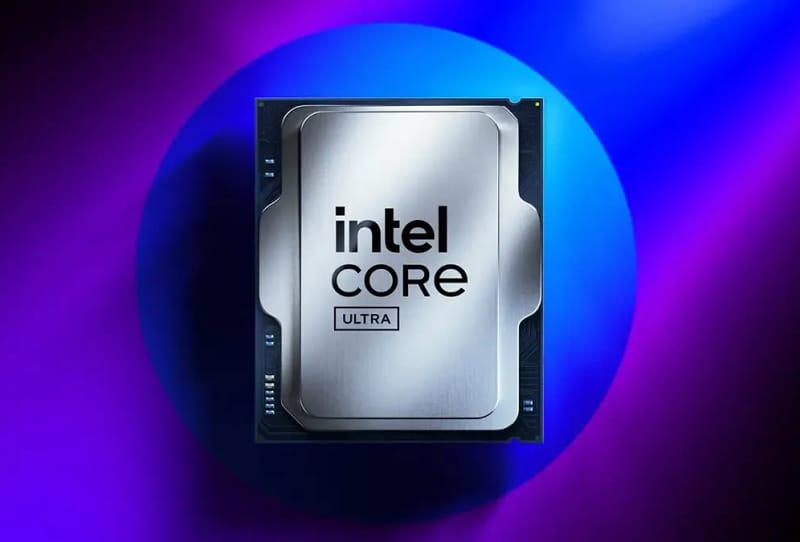
The processor is Intel’s Core Ultra 5 225F, a ten-core, ten-thread chip built for mainstream desktops rather than flagship performance. It is not the fastest option on the market, but it is more than capable of keeping a mid-range GPU fed in most games, and it leaves enough overhead for everyday multitasking, streaming or light content creation on the side.
Graphics duties fall to the Intel Arc B570, which carries 10GB of VRAM. That is a generous allocation for a card aimed at 1080p, and it gives the system some breathing room when textures and shader effects are pushed to high or ultra settings. Readers weighing up whether this particular processor tier suits their needs might find it useful to look at a broader guide on choosing a processor for a tight budget before deciding.
Rounding out the build is 16GB of DDR5 memory, which is the realistic minimum for modern gaming without constant background stutter, and a single 1TB NVMe SSD for storage. That drive will fill up quickly once a handful of modern titles are installed, so anyone who expects a large library should think ahead about adding extra storage down the line.
How the Intel Arc B570 compares to rival graphics cards
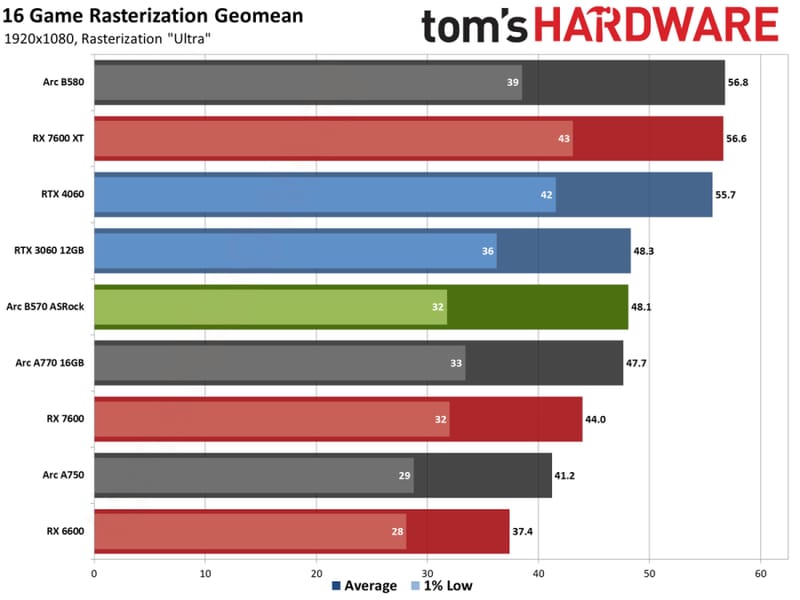
Intel’s Arc B570 has matured a long way since its launch. Driver updates and broader game compatibility have ironed out a lot of the early rough edges, and independent rasterisation benchmarking now places it roughly in the middle of the budget GPU pack, trading blows with Nvidia’s 12GB RTX 3060 in many titles. That is a respectable result for a card built to a tight price point, and it means the Slate’s graphics performance should not feel dated for a while yet.
The 10GB of VRAM is the card’s strongest selling point against similarly priced alternatives. At 1080p, that headroom comfortably covers high and ultra texture settings in most current games. Push the same card toward 1440p, though, and the cracks start to show: VRAM gets consumed faster at higher resolutions, and once it runs out, the system starts leaning on the CPU to compensate, which tends to produce stuttering rather than a clean frame rate drop.
That makes the Arc B570 a genuinely good fit for its intended audience. It is not a 1440p card, and nobody should buy it expecting that. For 1080p gaming, though, it punches above its tier, and more so than it did at launch thanks to ongoing driver work from Intel.
Why prebuilt systems make sense as DDR5 prices climb
Memory pricing has been one of the more frustrating trends in PC hardware this year. DDR5 modules, along with NAND flash storage, have become noticeably more expensive as supply tightens, and that has pushed up the cost of building a gaming PC from individual parts. Readers curious about why this is happening, and how it affects actual in-game performance, can find more detail in a breakdown of DDR5 memory pricing and performance.
Large system builders like iBuypower are somewhat insulated from those swings because they buy components in volume, well ahead of when a finished PC reaches a shelf. That buying power lets them absorb some of the cost increases that would otherwise land squarely on a self-builder shopping for the same CPU, GPU and memory kit separately.
It is a trend worth watching rather than relying on indefinitely. As available memory stock continues to shrink across the industry, there is little reason to expect prebuilt pricing to stay this favourable forever. Anyone eyeing a system like the Slate gaming PC with a 10GB Arc B570 is arguably better off deciding sooner rather than later.
What this build means for new PC gamers
For someone making the jump from console gaming, or simply building a first PC, this configuration removes a lot of the usual guesswork. The core components are balanced sensibly against each other: the Core Ultra 5 225F will not bottleneck the Arc B570 in typical 1080p scenarios, and 16GB of DDR5 is enough to avoid the memory-related slowdowns that plague genuinely budget builds.
The obvious caveat is upgrade headroom. A single 1TB drive and a mid-range GPU leave limited room to grow without eventually swapping parts, and anyone planning to add a more powerful graphics card later should also think about picking a power supply that can handle an upgrade before that day arrives.
Even with those limits in mind, this is a sensible starting point. It handles current 1080p titles at high settings without drama, and the 10GB VRAM buffer gives it more longevity than many similarly specced rivals. Full specifications for the Intel Arc graphics lineup and the broader Slate range are available directly from iBuypower’s own site for anyone comparing configurations.
Frequently asked questions
Is the Intel Arc B570 good enough for 1440p gaming?
Not comfortably. The 10GB of VRAM handles 1080p at high or ultra settings well, but at 1440p that memory fills up faster in demanding titles, which can cause stuttering as the system falls back on the CPU to compensate.
How does the Arc B570 compare to Nvidia’s RTX 3060?
Rasterisation benchmarking puts the two cards close together, with the B570 sitting roughly mid-pack alongside the 12GB RTX 3060 in most current games, making them reasonable alternatives to each other at this tier.
Is 16GB of DDR5 memory enough for gaming in 2026?
It is the practical minimum for a smooth modern gaming experience. It avoids the stutter that comes with insufficient memory, though enthusiasts running heavy multitasking alongside games may eventually want more.
Will a 1TB SSD be enough storage for a gaming PC?
It is workable for a handful of modern titles, but many current games individually take up well over 50GB, so a library of more than a few large titles will likely require additional storage fairly soon.