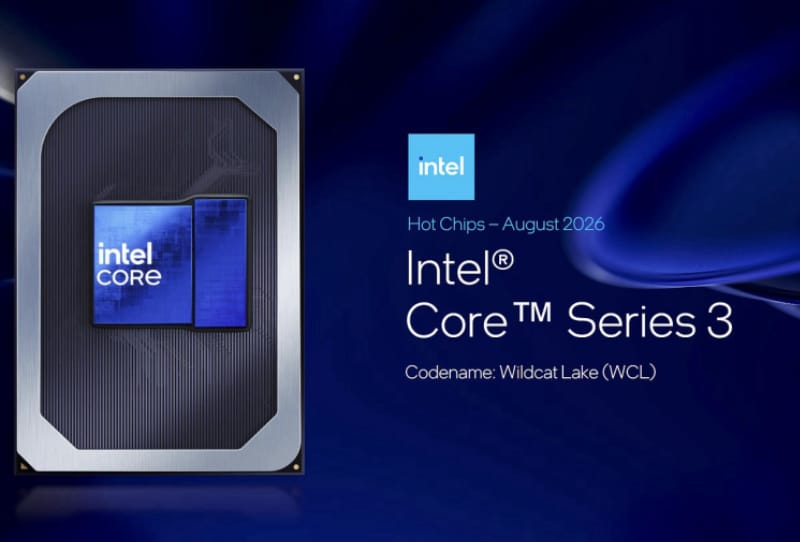
Intel Wildcat Lake chips have become so popular in budget laptops that the company says it cannot make enough of them. During its latest quarterly earnings call, Intel executives confirmed that demand for the cost-optimised processor line is outstripping supply, and that current stock is effectively sold out.
Key takeaways
- ✓Intel says demand for its budget Wildcat Lake laptop chips is outstripping supply and stock has sold out
- ✓CFO David Zinsner says Intel is 'not optimistic about next year' for memory supply
- ✓Wildcat Lake powers budget laptops like the Dell XPS 13 and HP OmniBook 5 14, often paired with just 8GB of RAM
- ✓SK Hynix has separately predicted the RAM shortage could last through 2030
- ✓CEO Lip-Bu Tan blames unprecedented AI-driven demand for the ongoing component squeeze
The admission came straight from the top. Intel chief executive Lip-Bu Tan told investors that demand for Wildcat Lake “is outstripping supply,” while chief financial officer David Zinsner went further, confirming the chips have already sold out. It is an unusual problem for a budget product line to have, and it says a lot about where laptop buyers are spending their money right now.
Table of Contents
Why Intel Wildcat Lake chips are in such high demand
Wildcat Lake sits at the affordable end of Intel’s current laptop chip stack, designed to bring reasonably modern performance to cheaper Windows machines without the premium price tag of Intel’s flagship silicon. Zinsner said Intel has “seen significant growth in Wildcat Lake,” adding that the timing has worked in the company’s favour because the chip is cost-optimised just as budget-conscious buyers are tightening their belts.
That demand has shown up in real products already on shelves. The new Dell XPS 13 and HP OmniBook 5 14 both use Wildcat Lake chips to hit lower starting prices, positioning themselves as Windows alternatives to Apple’s cheaper MacBook models. The trade-off is that many of these configurations ship with just 8GB of RAM, an amount that can leave Windows machines feeling stretched under everyday multitasking.
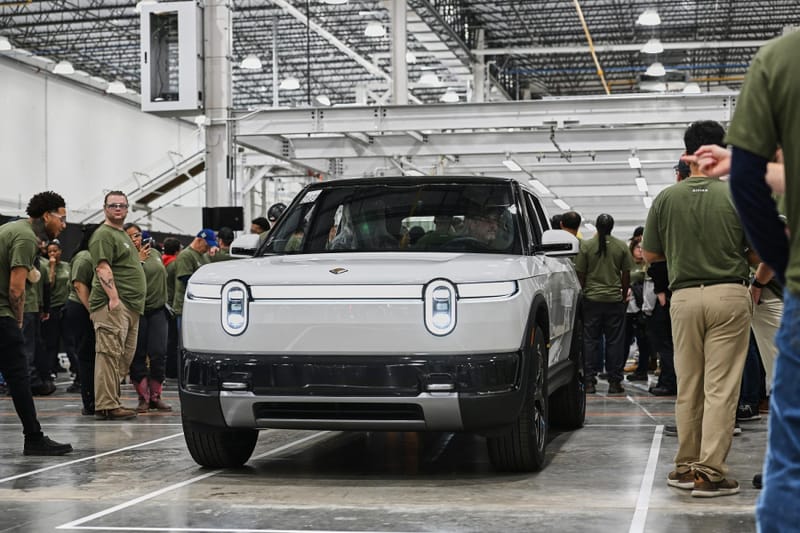
It is worth remembering that Wildcat Lake is not Intel’s only current laptop chip family. Higher-end buyers are still being courted with premium AI-focused laptops chasing performance at the other end of Intel’s range, while Intel also has its upcoming higher-end chips waiting in the wings. But it is the budget tier that is currently moving faster than Intel can supply it.
The RAM shortage behind the squeeze
None of this is happening in isolation. A broader shortage of memory chips has been pushing PC prices upward for months, squeezing manufacturers who need to balance component costs against competitive pricing. That shortage appears to be feeding directly into the popularity of lower-cost chips like Wildcat Lake, as laptop makers look for ways to keep total build costs down.
Zinsner was blunt when asked whether the memory situation would improve soon. “Make no mistake, we are not optimistic about next year in terms of memory,” he said, adding that Intel will “have to see in ’28 whether things improve,” but that the company’s expectation is it will not improve in 2027. That is a sobering outlook from one of the industry’s largest chipmakers, even if it is slightly less dire than memory maker SK Hynix’s own prediction that shortages could persist through 2030.
Tan tied the broader supply crunch to the wider technology industry’s appetite for artificial intelligence, describing the current environment as “one of the most significant supply shortages in [its] history, driven by the unprecedented demand for super intelligence.” In plain terms, the chips and memory that would otherwise go into consumer laptops are increasingly being diverted toward AI infrastructure, leaving less capacity for everyday hardware.
| Factor | Detail |
|---|---|
| Chip affected | Intel Wildcat Lake (budget laptop processors) |
| Status | Sold out, per CFO David Zinsner |
| Example laptops | Dell XPS 13, HP OmniBook 5 14 |
| Typical RAM configuration | 8GB in entry models |
| Intel’s memory outlook | No improvement expected in 2027, uncertain for 2028 |
| Rival outlook (SK Hynix) | Shortage could last through 2030 |
What it means for anyone shopping for a laptop
For shoppers eyeing a cheaper Windows laptop, the timing is awkward. Chips designed specifically to keep prices down are now constrained, which removes some of the competitive pressure that normally keeps budget laptop pricing in check. If Wildcat Lake supply stays tight while memory costs keep climbing, there is a real chance budget laptops become harder to find at the prices buyers have come to expect.
There is also a practical lesson buried in Intel’s comments about Wildcat Lake laptops shipping with 8GB of RAM. Windows, unlike some leaner operating systems, tends to struggle on minimal memory when running several applications, browser tabs, and background processes at once. Shoppers chasing a bargain should weigh whether an 8GB configuration will genuinely suit their workload, especially given there is little sign that memory prices or availability will ease in the near term.
For Intel, the situation is something of a mixed blessing. Strong demand for a budget product is a healthy sign that its cost-optimised strategy is working, but selling out of a popular chip line during a component shortage limits how much Intel can actually capitalise on that demand. How quickly the company can scale up Wildcat Lake production, and whether rival memory makers can ease the broader squeeze, will shape how affordable Windows laptops remain through 2027 and beyond.
Frequently asked questions
What are Intel Wildcat Lake chips used for?
Wildcat Lake chips are Intel’s budget-focused laptop processors, designed to power affordable Windows laptops such as the Dell XPS 13 and HP OmniBook 5 14 without the cost of Intel’s higher-end chip lines.
Why have Intel Wildcat Lake chips sold out?
Intel says demand for the cost-optimised chips has outstripped its ability to supply them, a trend the company links to budget-conscious buyers and a broader shortage of memory components pushing up overall PC costs.
Will the RAM shortage affecting laptops improve soon?
Intel’s CFO has said the company does not expect memory supply to improve in 2027 and remains uncertain about 2028, while memory maker SK Hynix has separately predicted shortages could last through 2030.
Do Wildcat Lake laptops come with enough RAM?
Many budget laptops using Wildcat Lake chips, including some Dell XPS 13 and HP OmniBook 5 14 configurations, ship with just 8GB of RAM, which can feel limited for heavier multitasking on Windows.