A newly filed Logitech tariff refund lawsuit accuses the peripherals maker of pocketing tens of millions of dollars in tariff refunds instead of passing the savings back to customers who paid inflated prices last year. The class-action complaint alleges that Logitech received a $61 million refund from the U.S. government after the Supreme Court struck down former President Donald Trump’s tariffs, yet has refused to lower prices or reimburse buyers who paid the tariff-inflated rates.
The case centres on price hikes Logitech introduced in April 2025, the same month the “Liberation Day” tariffs were announced. According to reporting cited in the complaint, Logitech raised prices on more than half of its product catalogue by as much as 25 percent, citing the new tariffs as the justification. Those higher prices, the lawsuit claims, are still in effect today, even though the tariffs behind them have since been ruled illegal.
Table of Contents
What the Logitech tariff refund lawsuit actually claims
The complaint, filed on behalf of affected consumers, argues that Logitech had every opportunity to return the windfall once the Supreme Court’s ruling forced the government to refund the tariffs it had collected. Instead, the lawsuit alleges the company simply kept the money while leaving retail prices untouched.
Lawyers behind the case draw a sharp contrast with other companies that have handled refunded tariffs differently. Cooling and hardware brand Arctic, for example, is named in the filing as a company that has already started cutting product prices to reflect the returned funds. Some shipping companies have also voluntarily returned tariff-related payments to the customers who originally covered them. Logitech, the lawsuit argues, has shown no similar intention.
The filing goes further, estimating the scale of what Logitech gained from the price increases. It claims the company “extracted approximately $73 million to $97 million from consumers in fiscal year 2026 alone through tariff-justified price increases,” and argues that a conservative estimate of what should be returned to the class of affected buyers sits between $75 million and $100 million.
The numbers behind the case
The lawsuit leans heavily on Logitech’s own disclosures, including comments made during a May 2026 earnings call in which the company reportedly said its “manufacturing diversification actions combined with the price increase in the U.S. more than offset the negative impact of tariffs.” Plaintiffs argue that statement effectively confirms the price increases were more than sufficient to cover any tariff costs, and then some.
| Detail | Figure |
|---|---|
| Tariff refund received by Logitech | $61 million (as of June 30, 2026) |
| Alleged amount extracted from consumers | $73 million to $97 million (FY2026) |
| Estimated amount owed to the class | At least $75 million to $100 million |
| Price increase applied in April 2025 | Up to 25 percent on over half the product line |
Products caught up in the price rise
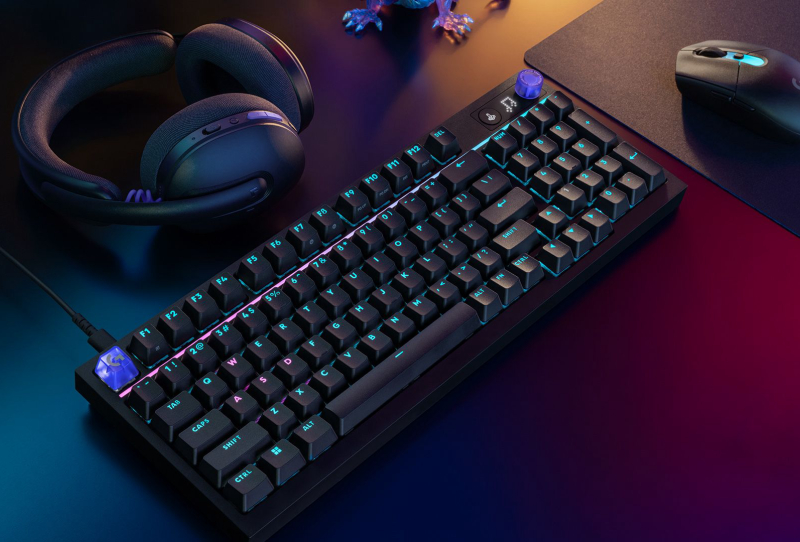
Logitech’s catalogue spans everything from budget mice to premium gaming gear, and the price increases reportedly touched a large slice of it. Buyers who picked up items such as the G502 X Plus mouse, the Lift wireless mouse, the G915 X TKL keyboard, or headsets like the G Pro X 2 Lightspeed headset during the affected period could fall within the proposed class, depending on how the case is ultimately defined by the court.
Logitech isn’t the only company facing this fight
Nintendo is dealing with a nearly identical complaint. The Japanese gaming giant managed to hold its Switch 2 console at its original launch price, but the older Switch console saw a $40 to $50 increase, and Joy-Con 2 controllers also became more expensive. Nintendo has since rolled console pricing back to pre-tariff levels, but it has refused to compensate customers who bought at the higher price point.
Nintendo’s legal defence offers a preview of the argument Logitech may lean on. The company’s lawyers reportedly said that “Nintendo or one of its retailers set a price for each product, and consumers decided whether that price was worth paying,” adding that buyers “received exactly what they bargained and paid for.” Whether courts accept that reasoning once a tariff refund has actually landed in a company’s bank account is likely to be a central question in both cases.
What it means for shoppers and the wider industry
For everyday buyers, the outcome of this case could set a precedent well beyond Logitech. Plenty of hardware and electronics brands raised prices during 2025 citing tariff pressure, and many of those tariffs have since been overturned or refunded at the corporate level. If courts decide that companies must pass refunded tariffs back to consumers, it could trigger a wave of similar claims across the PC hardware and consumer electronics space.
There’s also a trust dimension here. Shoppers who paid more for peripherals, monitors, or laptops last year did so believing tariffs were a genuine, unavoidable cost. Learning that a company recovered that cost from the government but kept prices high anyway is the kind of detail that tends to stick with a brand’s reputation, regardless of how the lawsuit is eventually resolved.
For now, Logitech has not publicly detailed how it intends to respond to the claims, and the case is still in its early stages. Customers who bought affected products during the relevant window may want to keep receipts and watch for updates, since class-action settlements in the U.S. often include a claims process for eligible buyers further down the track.