Nvidia has agreed to pay $290 million to close an eight-year-old investor lawsuit accusing the company of hiding how much of its 2018 gaming GPU sales were really being driven by cryptocurrency mining demand. The deal ends a long-running class action without Nvidia admitting any wrongdoing, and it still needs a court’s sign-off before shareholders see any money. For a case that has dragged through multiple courts since 2018, the Nvidia crypto mining settlement draws a line under one of the messiest chapters in the company’s recent history.
Key takeaways
- ✓Nvidia will pay $290 million to settle an eight-year investor class action lawsuit.
- ✓The lawsuit alleged Nvidia misled investors about crypto mining's role in 2018 GPU sales.
- ✓Nvidia has not admitted any wrongdoing as part of the settlement.
- ✓The case dates back to a 2018 crash in cryptocurrency mining demand that left Nvidia with excess GPU inventory.
- ✓The settlement still needs court approval before payments to affected shareholders proceed.
Table of Contents
What the Nvidia crypto mining settlement actually covers
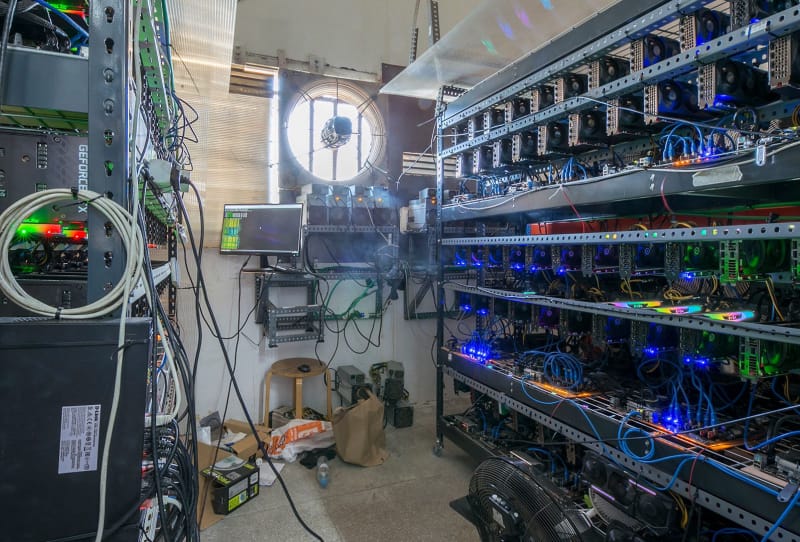
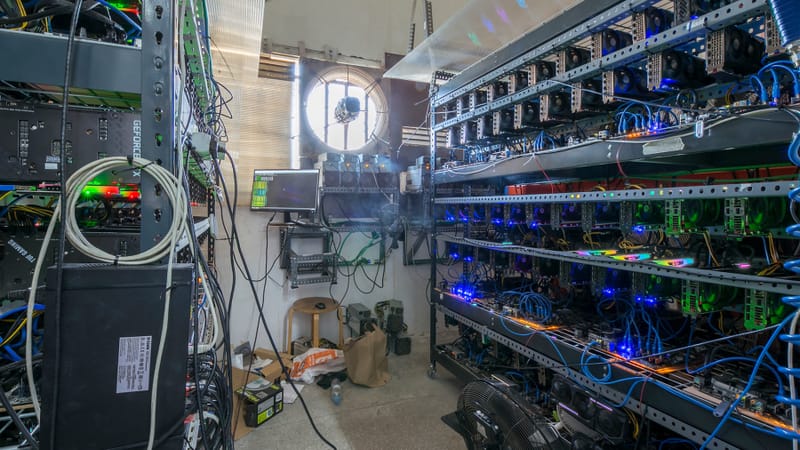
The lawsuit was filed by investors who bought Nvidia shares around 2018, a period when the company’s GeForce graphics cards were selling in huge volumes. The plaintiffs alleged that Nvidia understated, or failed to properly disclose, how much of that demand was coming from crypto miners rather than gamers. When the crypto mining boom collapsed later that year, GPU demand crashed with it, leaving retailers and Nvidia itself holding unsold inventory.
That inventory glut hit Nvidia’s revenue and share price hard, and the lawsuit argued investors were blindsided because the company had not been upfront about the scale of mining-driven sales in its earlier results and guidance. Under the settlement, Nvidia pays $290 million into a fund for the class of affected investors, but the agreement explicitly does not include any admission that the company broke securities law or misled anyone.
Settling rather than proceeding to trial is a common move for large companies facing shareholder litigation, since it caps financial exposure and avoids the uncertainty of a jury verdict, even when a company maintains it did nothing wrong.
How an eight-year legal fight got here
The case has had a long and winding path through the US court system. It was filed not long after the 2018 crypto crash exposed the gap between Nvidia’s reported gaming revenue and the actual source of that demand. Since then, it has moved through multiple rounds of motions, appeals, and procedural wrangling, a pace that is not unusual for securities class actions involving a company as large as Nvidia.
What makes this dispute notable is that it has run in parallel with other scrutiny of Nvidia’s crypto-era disclosures. The company separately faced attention from US regulators over how it described cryptocurrency’s contribution to GPU demand during that same period, reflecting broader concern at the time about how semiconductor firms were communicating mining-related revenue to the market. None of that regulatory history is part of this settlement, but it forms the backdrop against which the lawsuit was argued for so long.
Reaching a settlement now, rather than pushing toward trial, suggests both sides saw more value in resolving the matter than in continuing to litigate a dispute rooted in a GPU market that looks almost unrecognisable compared with where it stands today.
Why the case still matters for gamers and investors
For everyday PC builders, the 2018 crypto mining bubble is remembered mainly for emptying shelves of GeForce cards and pushing prices well above recommended retail. The lawsuit’s core argument was more about Nvidia’s duty to shareholders than about consumers, but the two are connected: the same mining demand that frustrated gamers at checkout was, according to the plaintiffs, not being fully reflected in what Nvidia told investors about its business.
The financial stakes are real even if $290 million is a modest sum against Nvidia’s current market value, which has ballooned thanks to the AI boom. The settlement signals that even a company now valued in the trillions still carries legal baggage from decisions made years before its current dominance in AI computing.
It is also a reminder that GPU demand shocks are not new. Nvidia has weathered a mining-driven glut before, and more recently has faced a reported RTX 50-series supply cut tied to different market pressures entirely. The underlying lesson, that sudden shifts in who is actually buying GPUs can ripple through pricing, inventory and investor confidence, still applies.
GPU demand swings from mining then to AI now
The parallels between 2018 and the present are hard to ignore. Back then, cryptocurrency miners were quietly absorbing a large share of gaming GPU output, distorting both supply and investor expectations until the mining economics fell apart. Today, it is artificial intelligence workloads doing the absorbing, contributing to today’s AI-driven VRAM shortage that has made high-memory graphics cards scarce and expensive for gamers and workstation buyers alike.
The difference is scale and duration. Crypto mining demand for consumer GPUs proved cyclical and collapsed within months. AI demand has persisted for years and shows no clear sign of easing, which is part of why Nvidia’s current revenue dwarfs anything seen during the mining era this lawsuit stemmed from.
Still, the settlement is a useful reminder that external demand shocks, whether from miners or AI data centres, carry consequences beyond empty shelves. They can eventually show up in courtrooms years later, long after the original product cycle has moved on. Nvidia’s broader corporate footprint has also drawn other legal and security headaches recently, including a multi-million dollar chip shipment theft, underscoring how much scrutiny the company now attracts as its products sit at the centre of global technology supply chains.
Frequently asked questions
What is the Nvidia crypto mining settlement about?
It resolves a shareholder class action lawsuit alleging Nvidia failed to properly disclose how much cryptocurrency mining demand was inflating its 2018 gaming GPU sales, leaving investors unprepared when that demand suddenly collapsed.
How much is Nvidia paying in the settlement?
Nvidia has agreed to pay $290 million into a fund for the class of affected investors, though the settlement still requires court approval before any payments are made.
Did Nvidia admit to any wrongdoing?
No. As part of the settlement, Nvidia has not admitted that it broke securities law or misled investors; the company agreed to pay to resolve the dispute without accepting liability.
Does this settlement affect Nvidia customers or current GPU prices?
No. The settlement relates to a historical investor lawsuit over 2018 disclosures and does not change pricing, availability, or warranty terms for current Nvidia graphics cards.