Plenty of console exclusives and multiplayer favourites can be played on a PC without buying a second machine, and this guide walks you through the main ways to do it. Whether you own a PlayStation or Xbox already, want to stream games without owning a console at all, or you are chasing older titles through emulation, you will find a workable path below.
Table of Contents
What you’ll need
- A PC or laptop with a stable internet connection (wired ethernet is best for streaming)
- A compatible controller, either official or third-party
- The relevant app or client installed, depending on which method you choose
- An account with the console maker or streaming service you intend to use
- Enough storage space if you plan to install native PC versions of games
Method 1: Stream from a console you already own
If you own a PlayStation or Xbox, you can send its picture and sound to your PC over your home network, using a keyboard, mouse or controller to play. This is often called remote play or console streaming, and it lets you use your console’s actual hardware while sitting at a different screen.
- Install the official streaming app for your console on your PC.
- Sign in using the same account linked to your console.
- Make sure your console is switched on or set to allow remote connections, and that both devices are on the same network (or that remote access is enabled if you are away from home).
- Connect a controller to your PC, either by USB cable or Bluetooth.
- Launch the app, select your console from the list of available devices, and start streaming.
This approach works well because you are not limited by what games are officially available on PC. It does rely on decent bandwidth, so a slow or congested connection can cause lag and blurry video. Anyone setting up a console alongside a PC for the first time may also find it useful to read about connecting a console to a display before switching between the two setups.
Method 2: Use a cloud gaming service
Cloud gaming services stream games from remote servers rather than from a console you own, which means you do not need any console hardware at all. You just need an active subscription or membership with the service and a strong internet connection.
- Sign up for a cloud gaming service and check which console games are available in its library.
- Install the browser version or dedicated app on your PC.
- Pair a controller with your PC before launching a game, since most cloud titles are designed around controller input.
- Select a game from the library and start playing directly in the app or browser window.
Cloud gaming is convenient because there is nothing to download or install for each title, but performance depends heavily on your connection speed and the distance to the nearest server. Xbox’s cloud gaming service is one well-known example that lets subscribers stream a rotating library of games straight to a PC.
Method 3: Play native PC versions of console games
Many console games eventually receive proper PC releases, often with improved visuals, mod support and higher frame rates. This is usually the most reliable option because you are running the game natively rather than streaming it.
- Check a major PC storefront to see whether the game you want has an official PC release.
- Confirm your PC meets the minimum system requirements listed for the title.
- Install the game and update your graphics drivers before launching it for the first time.
- Adjust graphics and control settings to suit your hardware and preferred input device.
If you are chasing smoother performance on native releases, it is worth taking the time to optimise your PC’s gaming settings rather than relying on defaults, especially on older or more modest hardware.
Method 4: Emulation for older console games
Emulation software recreates the internal workings of older console hardware so that games designed for it can run on a PC. This is a popular way to revisit retro titles, but it comes with legal considerations you should understand before diving in.
- Research which emulator is designed for the specific console generation you want to play.
- Only use game files you legitimately own, since distributing or downloading copyrighted game files without authorisation is against the law in most regions.
- Configure the emulator’s video and audio settings, then map a controller to match the original console’s button layout.
- Save your progress regularly, as emulator save systems sometimes differ from the original hardware.
Preservation-minded players increasingly rely on official rereleases and archival projects instead of unofficial emulation, and it is worth keeping an eye on legitimate preservation efforts as they expand.
Setting up a controller for PC play
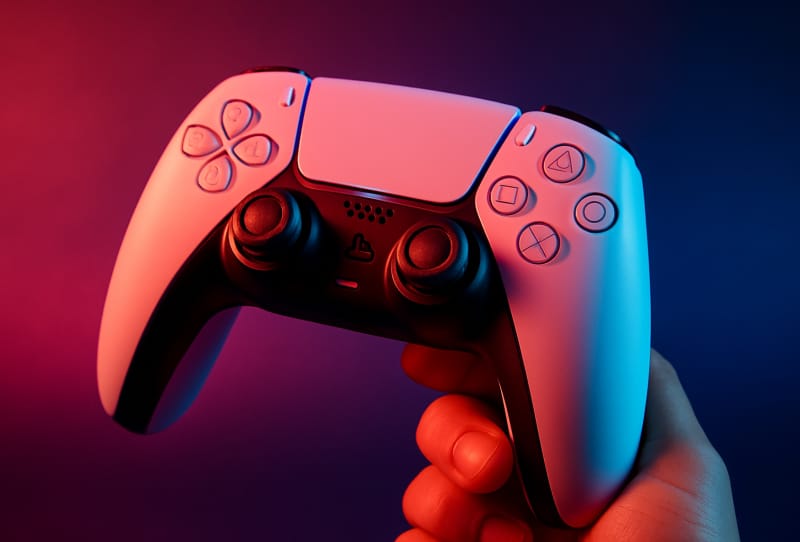
Whichever method you choose, a controller usually makes console-style games far more comfortable to play than a keyboard and mouse. Most modern controllers, including official PlayStation and Xbox pads and many third-party options, connect to a PC through USB or Bluetooth and are recognised automatically by Windows or by platforms like Steam. If a game does not detect your controller correctly, check that the correct input mode is selected in the controller’s settings, and confirm the game itself supports controller input rather than only keyboard and mouse.
Tips and troubleshooting
- Use a wired network connection for streaming or cloud gaming whenever possible, since wireless connections are more prone to dropouts and added lag.
- Close background applications that use bandwidth or processing power before starting a streaming session.
- Keep your graphics drivers and streaming apps updated, since older versions can cause compatibility issues with newer games.
- If audio and video fall out of sync during streaming, lower the resolution or bitrate setting in the app rather than the game itself.
- Test a controller on a simple game first to confirm button mapping before committing to a longer session.
Frequently asked questions
Do I need a powerful PC to play console games this way?
Not necessarily. Streaming and cloud gaming shift most of the processing load to the console or remote server, so even a modest laptop can handle these methods well. Native PC ports and emulation, however, depend more on your own hardware, so check requirements before installing.
Can I play console games on PC without owning a console?
Yes, cloud gaming services let you play many console titles without owning the original hardware, provided the game is included in that service’s library. Buying an official PC release of a game is another option that does not require console ownership at all.
Is it legal to emulate console games on PC?
Emulator software itself is generally legal, but using game files you do not legitimately own is not. Stick to games you already own and be cautious about where you source any supporting files.
Why does my controller not work with a PC game?
This usually comes down to the controller’s connection mode or the game’s supported input types. Check that the controller is paired correctly, update its firmware if an update is available, and confirm the game officially supports controller input before troubleshooting further.