
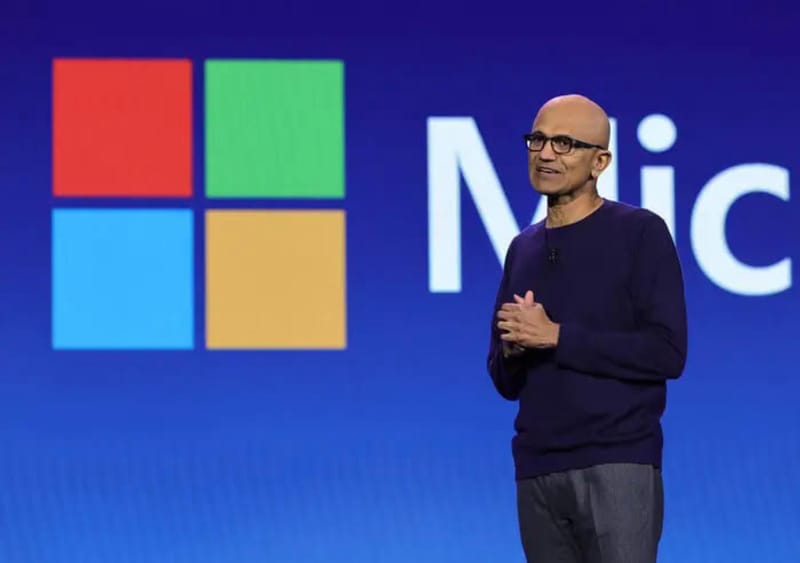
Satya Nadella has described Xbox’s latest wave of layoffs as “great to see”, backing the restructuring drive led by Xbox CEO Asha Sharma even as the division sheds hundreds more jobs. The Microsoft chief executive made the comment during a wide-ranging podcast interview about where Xbox sits within the broader company, days after another 268 positions were cut on top of the 1,600 already eliminated earlier this year.
Key takeaways
- ✓Satya Nadella called Xbox's ongoing job cuts "great to see" in a podcast interview
- ✓Xbox cut 268 more jobs recently, on top of 1,600 eliminated earlier in the year
- ✓Asha Sharma is leading the restructuring drive as Xbox CEO
- ✓Recent changes include studio mergers, franchise reshuffles and multiple developer closures
- ✓Nadella says Microsoft still wants Xbox to be a leading publisher and platform across PC and console
The remarks land at an awkward moment for a gaming division that has spent much of the past twelve months absorbing studios, cancelling projects and reshuffling long-running franchises. Nadella’s comments suggest Microsoft’s leadership sees the cuts not as a retreat, but as a deliberate reset of how Xbox operates.
Table of Contents
What Nadella actually said about the Xbox layoffs
Speaking on the Sources Podcast with Alex Heath, Nadella was asked directly how he feels about the current state and future direction of Xbox. His answer was notably upbeat given the scale of the job losses involved. “I feel fantastic,” he said, adding that “there’s some amount of streamlining the team is doing, and Asha is doing, which is great to see.”
Nadella went on to frame the cuts as part of a search for a workable long-term structure rather than a simple cost-cutting exercise. He said Microsoft still needs to “invent the right sustainable business model that allows us to deliver gaming to more and more people,” and reiterated that the company’s ambition is to be “a great publisher and a great platform provider for games across both PCs and Xboxes.” That framing matters, because it positions the layoffs as groundwork for a broader strategy rather than a sign Microsoft is pulling back from gaming altogether.
A year of cuts, mergers and closures
The 268 jobs cut most recently followed a restructuring of Halo Studios, with Activision reportedly set to take over stewardship of the Halo franchise going forward. That single move capped a period in which Xbox has repeatedly consolidated its internal studio structure rather than simply trimming headcount at the edges.
Earlier this year, Xbox folded Obsidian into Bethesda as part of a wider studio shake-up, and separately pursued merging Playground Games and Turn 10 into one studio to consolidate its racing game output. Neither move was framed publicly as downsizing, but both reduced the number of standalone teams operating under the Xbox umbrella.
Some studios did not survive the process at all. Microsoft confirmed Ninja Theory’s closure after a buyer search failed to produce a result, and Undead Labs was also hit by layoffs following the broader Xbox split. Taken together, the pattern is one of fewer, larger studios rather than a simple reduction in projects, and it is this consolidation that Nadella appears to be endorsing.
Why Microsoft is framing job cuts as a positive
Calling layoffs “great to see” is an unusual line for any chief executive to take publicly, and it reflects how differently Microsoft’s leadership and the developers affected by these decisions are likely to view the same events. For Nadella, the streamlining appears to be about matching Xbox’s cost base and studio structure to a business that increasingly spans PC, console and cloud, rather than one built around dozens of semi-independent teams.
That reasoning lines up with comments from elsewhere in the industry about the wave of layoffs hitting game studios more broadly. Veteran developer Tim Schafer has publicly questioned the logic behind many of these industry-wide cuts, arguing that the justifications given rarely match the financial reality of the companies making them. Xbox’s own restructuring sits inside that wider debate about whether consolidation genuinely produces a leaner, more sustainable business or simply shrinks the pool of games being made.
What it means for Xbox players and developers
For players, the immediate effect of this restructuring is fewer standalone studios and, in some cases, franchises moving to new custodians, as with Halo shifting toward Activision’s control. It also raises questions about how projects in development at merged or closed studios will be finished, staffed or shelved. Xbox’s official news channel has continued to post updates on studio changes as they happen, making it worth watching for developers and fans tracking specific franchises.
For developers, the picture is more troubling. Nadella’s comment that streamlining is “great to see” will likely sting for the hundreds of staff who lost jobs across Halo Studios, Ninja Theory, Undead Labs and other affected teams this year. Whether Xbox’s leaner structure ultimately delivers the “sustainable business model” Nadella describes will depend on what comes next: new releases, clearer franchise strategies, and evidence that consolidation improves output rather than simply reducing it.
Frequently asked questions
How many jobs has Xbox cut in total this year?
Xbox cut 268 jobs in its most recent round, on top of roughly 1,600 positions eliminated earlier in the year, bringing the total well above 1,800 across the two rounds.
Who is leading Xbox’s restructuring?
Xbox CEO Asha Sharma is overseeing the current streamlining effort, which Satya Nadella referenced directly in his podcast comments.
Is Halo being cancelled?
No. Halo Studios has undergone layoffs and a restructuring, with Activision reportedly taking a larger role in the franchise’s future, but Halo itself is not being cancelled.
Did Nadella say Xbox is being scaled back permanently?
No. Nadella described the cuts as part of finding a sustainable business model, and said Microsoft still wants Xbox to be a leading publisher and platform provider across both PC and console.