The Xbox Forza studio merger is official: Microsoft has confirmed that Playground Games and Turn 10 Studios, the two teams behind Forza Horizon and Forza Motorsport respectively, are combining into a single studio. The newly unified team will take charge of both racing series going forward, alongside Playground’s in-development reboot of Fable.
The change was revealed as part of a broader shake-up across Xbox Game Studios, detailed through Xbox’s official news channel. Obsidian Entertainment is being folded under Bethesda, while the Halo team is shifting toward Activision as Microsoft continues to reshape how its first-party studios are organised. Ninja Theory has not been as fortunate. After failing to secure an outside buyer, the Hellblade developer is now entering consultation on closure.
Table of Contents
A Decade-Long Partnership Becomes One Studio
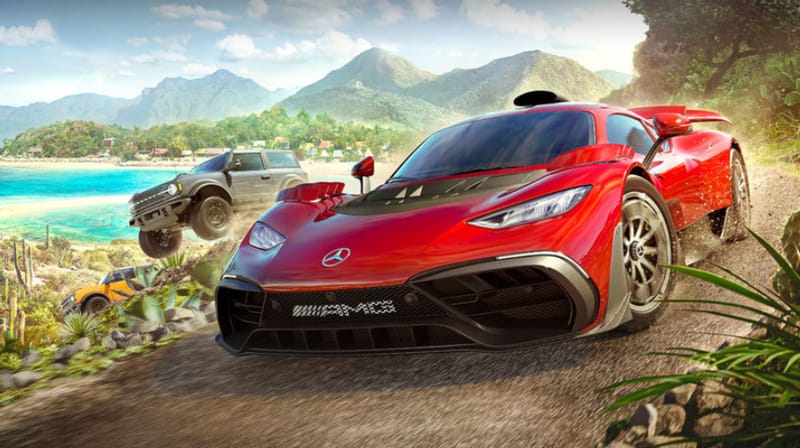
Playground Games and Turn 10 have effectively been working side by side for more than ten years, even while operating as separate studios. Turn 10 built the original Forza Motorsport series starting back in 2005 and has long maintained the underlying engine technology that both racing franchises rely on. Playground Games, founded in 2010, took the wheel on Forza Horizon starting with the first entry in 2012 and grew it into one of Xbox’s biggest open-world hits.
Because the two teams already shared tools, tech and engine work behind the scenes, today’s announcement reads less like a sudden shock and more like a formal recognition of how closely they already operated. Microsoft has framed the Xbox Forza studio merger as a way to strengthen both franchises rather than dilute either one, and to simplify publishing and development pipelines across its stable of studios.
Restructuring Ripples Across Xbox Game Studios
This is not an isolated decision. It arrives amid a wider round of cuts, studio divestitures and internal reshuffling that Microsoft has been working through in stages. The table below sums up the key changes announced alongside the Playground and Turn 10 merger.
| Studio | Change |
|---|---|
| Playground Games and Turn 10 Studios | Merging into a single studio for Forza and Fable |
| Obsidian Entertainment | Being placed under Bethesda |
| Halo development team | Transitioning toward Activision |
| Ninja Theory | Entering consultation on closure after no buyer was found |
For a company that has spent billions acquiring studios in recent years, this level of internal restructuring signals a shift in priorities. Microsoft appears to be consolidating talent around its strongest franchises rather than maintaining a wide spread of smaller, independent teams, and the fate of Ninja Theory shows that consolidation has a real human cost attached to it.
What It Means for Forza and Fable
Combining Playground Games and Turn 10 into one team could mean faster iteration on shared technology, since engineers working on Forza Horizon’s open-world systems and Turn 10’s simulation-focused Motorsport engine will now sit under the same roof. That could translate into quicker updates, more consistent physics models across both games, and a single roadmap for where the Forza brand heads next.

Fable also sits inside this newly merged studio, since Playground Games has been developing the reboot for several years. Whether that project benefits from extra resources or gets deprioritised in favour of the higher-profile racing franchises remains an open question. Microsoft has not detailed how staff or project leadership will be divided within the combined studio, and it is worth watching how quickly a public roadmap emerges for either Forza or Fable.
There is also a risk worth acknowledging. Merging two studios with distinct identities and separate creative leadership can blur the qualities that made each team’s output distinct in the first place. Forza Horizon’s arcade-flavoured, festival-driven open world and Forza Motorsport’s more technical simulation approach have always appealed to slightly different audiences, and keeping both intact inside one combined structure will take deliberate effort.
Why This Matters to Players
For anyone who plays Forza on PC, the merger is unlikely to change much in the short term, though it is a reminder of how much movement is happening behind the scenes at major publishers right now. Racing fans focused on getting controller settings dialled in for racing games or keeping frame rates smooth in demanding racing titles will still get the same experience for now, with any structural changes likely to surface first in how future titles are announced and supported.
The Xbox Forza studio merger fits into a pattern of Microsoft’s other recent moves around its Xbox games business, as the company balances big first-party investments against the cost pressures of running so many studios at once. Whether the newly combined Playground and Turn 10 team can keep both Forza Horizon and Forza Motorsport feeling distinct, while also delivering on Fable, will be the real test of whether this restructuring pays off for players rather than just for Microsoft’s balance sheet.