EA and developer Full Circle are rolling out sweeping Skate live service changes, confirming that Seasons, skate.Pass progression and the Tix premium currency will all disappear from the game from December 2026. The studio is trading its seasonal battle pass structure for smaller, more frequent updates, a shift it says will let new features reach players earlier and get refined based on real feedback rather than locked into a fixed seasonal cycle.
Key takeaways
- ✓EA and Full Circle will end Skate's Season 5 on 1 December 2026, closing out the seasonal model.
- ✓skate.Pass, skate.Premium Pass and the Tix premium currency are all being retired.
- ✓Cosmetics stay earnable through Bounties, with premium areas unlocked via Rip Chips instead.
- ✓Patch 0.33.1 arrives next week with a competitive S.K.A.T.E. mode and full Proximity Chat.
- ✓Full Circle is shifting to smaller, more frequent updates rather than a traditional seasonal structure.
Season 5 wraps up on 1 December, and with it goes the entire seasonal framework that has shaped Skate’s content cadence since launch. Full Circle describes what comes next as a “post-season era,” a deliberate break from the live-service playbook that has defined so many free-to-play multiplayer games over the past few years.
Table of Contents
What the Skate live service changes actually remove
Three systems are being shut down at once. skate.Pass and its paid counterpart, skate.Premium Pass, both disappear, along with Tix, the premium currency players used to unlock items and fast-track progression. For a game built around skate parks, custom gear and constant cosmetic drops, pulling all three out simultaneously is a significant structural change rather than a minor tweak.
Full Circle has been upfront about the reasoning. Running a seasonal pass system means locking content to fixed windows, then waiting for the next season to adjust anything that is not working. Scrapping that structure, the studio argues, frees it up to ship features whenever they are ready and tune them quickly once the community gets hands-on time.
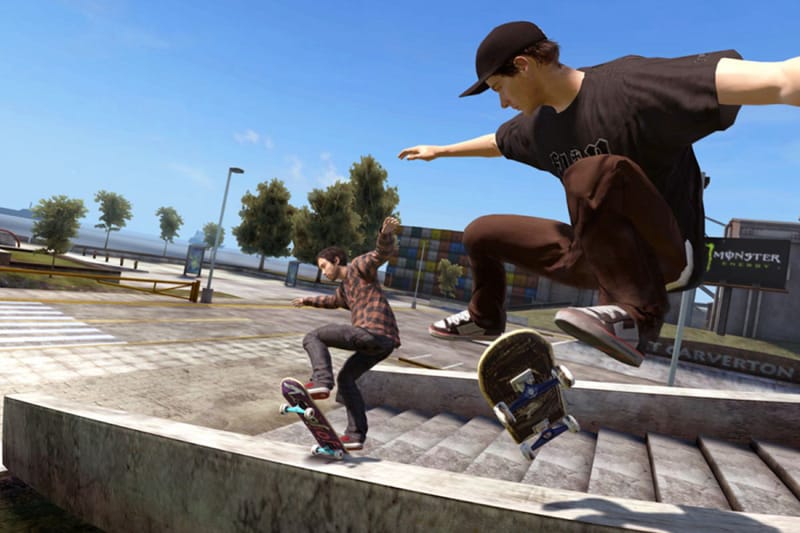
Importantly, this is not a retreat from rewarding players. Cosmetics will still be earnable through Bounties, the in-game challenge system that already exists alongside the pass. Areas that previously required skate.Premium Pass or Tix to unlock will instead open up through Rip Chips, an existing in-game currency that takes over as the primary route to premium content.
Patch 0.33.1 kicks off the new approach
The first update built around this new philosophy, patch 0.33.1, lands next week. It is a fairly substantial drop for an update meant to signal a smaller, more iterative cadence. The headline addition is a competitive S.K.A.T.E. game mode, bringing a structured head-to-head format to a game that has largely leaned on open-world freeplay and park-building up to this point.
Alongside that, Proximity Chat rolls out fully after a period of testing, letting players chat with whoever happens to be skating nearby rather than relying solely on party voice. The patch also adds new spots to explore across San Vansterdam, the game’s open city, and refreshes a handful of existing locations that have been in the game since launch. Full detail on the changes is detailed in an official update from the studio.
Why EA is stepping back from the seasonal model
Battle passes, seasonal currencies and tiered progression tracks became something of a default template across live-service games over the past several years, largely because they reliably keep players logging in. But that template has also drawn growing criticism for locking content behind timers and currencies that add friction without adding much fun.
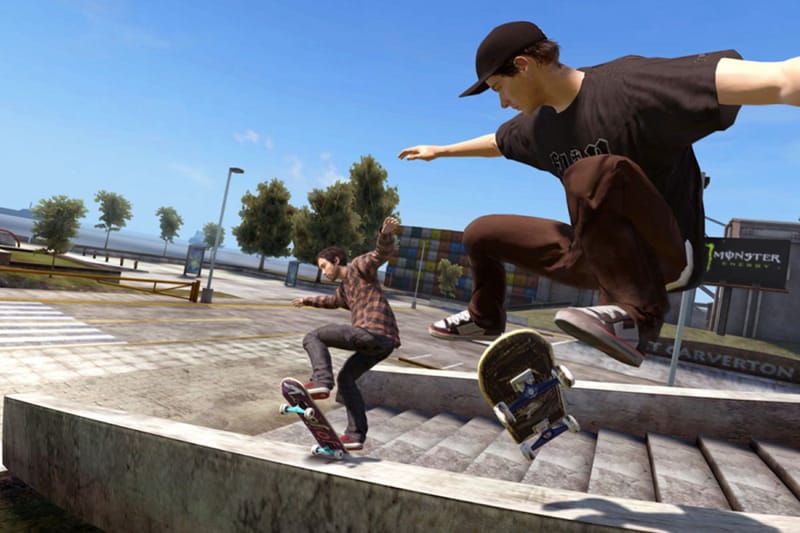
Skate’s move away from that structure lines up with a wider pattern among publishers reassessing how much live-service infrastructure their games actually need. Not every multiplayer title benefits from a battle pass, a premium currency and multiple progression tracks running in parallel. For a skating game built on freeform creativity and community-made content, a lighter, faster-moving update schedule arguably fits the identity better than a rigid seasonal calendar ever did.
The timing is also notable given EA’s current trajectory. These Skate live service changes come amid EA’s broader business shifts, as the publisher navigates its own corporate restructuring while trying to keep individual live titles healthy and engaged. Simplifying Skate’s systems removes some ongoing content-production overhead at a moment when the company has plenty of other things demanding attention.
What it means for players
For anyone currently invested in skate.Pass progress or sitting on unspent Tix, the practical question is what happens to that progress once the systems shut down in December. EA has not detailed a full migration or refund plan in its announcement, so players holding either should keep an eye on official channels as the December cutover approaches.
For everyone else, the net effect should be a game that updates more often and reacts faster to community feedback, without a seasonal pass dictating the pace. Whether that is an improvement will likely come down to execution over the following months, but removing three overlapping progression systems at once is a clear signal that Full Circle is willing to simplify rather than keep stacking new mechanics on top of old ones.
Frequently asked questions
When do Skate’s Seasons and Tix currency end?
Season 5 concludes on 1 December 2026, and that date also marks the end of skate.Pass, skate.Premium Pass and the Tix premium currency.
How will players unlock premium content after Tix is removed?
Premium areas that previously required Tix or skate.Premium Pass will become accessible through Rip Chips, while cosmetics remain earnable through Bounties.
What is included in Skate’s patch 0.33.1?
The update adds a competitive S.K.A.T.E. game mode, rolls out Proximity Chat fully, introduces new skate spots in San Vansterdam and refreshes several existing locations.
Why is EA removing Skate’s seasonal structure?
Full Circle says dropping the seasonal model allows smaller, more frequent updates that can be adjusted based on player feedback, rather than being locked to a fixed seasonal timeline.