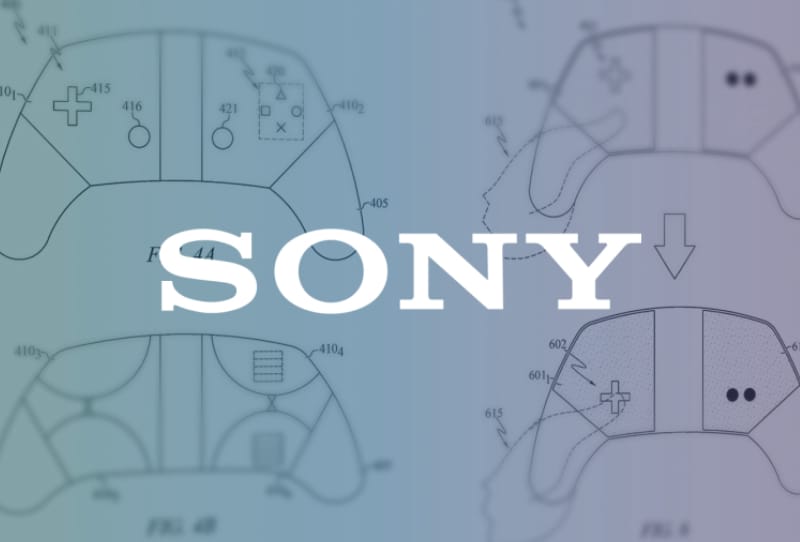
A new Sony accessibility patent describes a system that would turn in-game sounds into visual cues, letting deaf and hard-of-hearing players “see” what they currently miss, from a monster’s roar to a warning alarm just out of frame. The application, titled “Audio Processing System and Method,” was published on October 22 and credits Sony Interactive Entertainment as the filer.
Key takeaways
- ✓Sony Interactive Entertainment published a patent application for turning game audio into visual cues.
- ✓The system classifies a sound's intent, such as danger or tension, before choosing a matching icon or colour.
- ✓Directional cues could appear as screen-edge lighting or as light around the DualSense controller's touchpad.
- ✓The filing traces back to a UK application from June 2022, with a US continuation published on October 22.
- ✓The patent suggests older games could gain the feature through OS-level tagging, without any code changes.
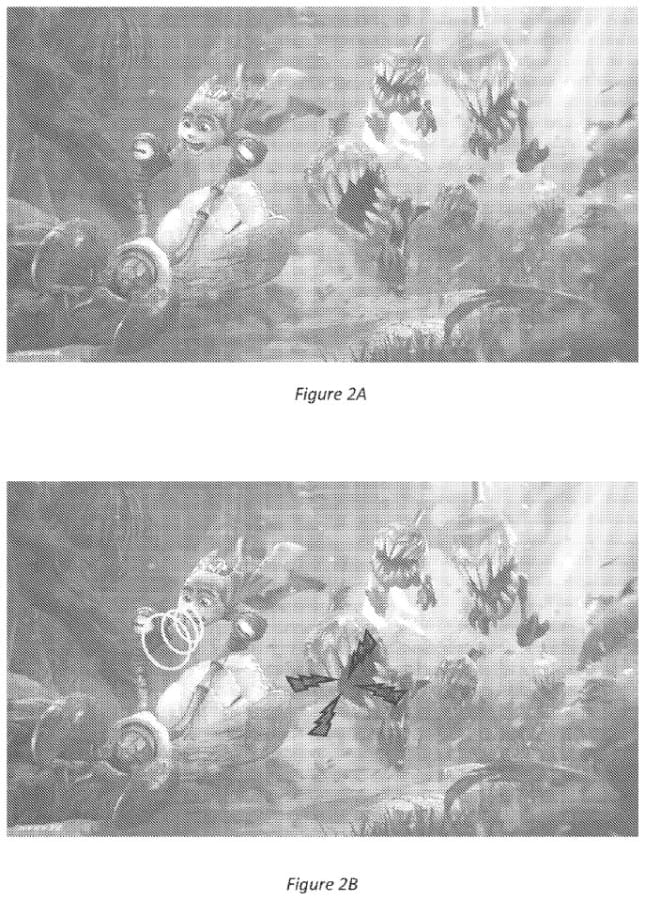
Rather than simply adding subtitles for dialogue, the system works on the sound itself. Before a noise plays, the software classifies what that sound is meant to do: build tension, signal danger, or simply describe the environment around the player. It then generates a visual element to match, which could be an icon, a shape, or even an onomatopoeic word like “Roar!” popping up near a nearby threat.
Table of Contents
How the Sony accessibility patent works
The clever part is how closely the visuals track the original audio. Properties such as colour, brightness, and transparency are tied directly to a sound’s volume and character, so a faint rustle in the grass might appear as a dim, translucent icon, while a nearby explosion could flash bright and solid. That gives players a sense of intensity that plain text alerts usually can’t convey.
This matters because sound design carries a lot of narrative and gameplay weight that visual-only players never fully receive. Horror games lean on audio cues to build dread, and competitive shooters often rely on footstep audio to locate enemies. A system that reliably converts those cues into readable visuals could close a real gap for players who can’t hear them at all, or only partially.
Directional lighting for spatial sound
Knowing that a sound happened is only half the problem. Players also need to know where it came from, and the patent tackles that with directional lighting. One version places LEDs around the edge of the display, glowing brighter on the side a sound originates from. Another ties the effect to the DualSense controller, lighting up the ring around its touchpad to point toward an off-screen threat.
That second approach is notable because it keeps the cue on the controller itself, rather than requiring a player to divide attention between the action on screen and a secondary indicator. It also fits neatly with Sony’s existing hardware, since the current DualSense already includes customisable lighting and haptic feedback that developers can tap into for other purposes.
A patent with a long paper trail
This isn’t a brand-new idea inside Sony. The newly published document is a continuation of a US application filed in May 2023, which itself claims priority from an original UK filing lodged back in June 2022. That timeline suggests Sony’s engineers have been refining this concept for more than three years before it surfaced publicly.
| Filing stage | Date | Jurisdiction |
|---|---|---|
| Original priority filing | June 2022 | United Kingdom |
| US application filed | May 2023 | United States |
| Continuation published | October 22 | United States |
Patent filings don’t guarantee a shipping feature, and plenty of Sony’s published applications never reach a console at all. Still, a filing that’s been pursued this persistently, across multiple jurisdictions and continuations, tends to reflect a concept the company considers worth protecting long-term rather than a one-off thought experiment.
What it could mean for older games and players
One of the more practical details in the filing is support for games that already exist. Rather than requiring developers to rebuild a title’s audio engine, the patent suggests the console’s operating system, or a helper application running alongside it, could tag a legacy game’s sound files and generate the visual cues independently. No changes to the original game code would be needed.
If Sony can make that work reliably, it would sidestep one of the biggest obstacles to accessibility features: the fact that most studios have little incentive to patch years-old games. A system-level layer that reads existing audio and reacts to it could theoretically bring these cues to a huge back catalogue of PlayStation titles overnight, rather than one new release at a time.
Sony has leaned into accessibility hardware before, most visibly with the Access controller, and rivals including Microsoft have pushed similar initiatives through tools like the Xbox Adaptive Controller. A sound-to-visual translation layer would sit alongside that work rather than replace it, addressing a need that physical controller redesigns don’t solve on their own. For now, this remains a patent application rather than a confirmed feature, and Sony hasn’t said whether or when any of it might appear in a firmware update or future hardware.
Frequently asked questions
Is this Sony accessibility patent a confirmed PlayStation feature?
No. It’s a published patent application, which describes an idea Sony has filed to protect but has not confirmed as a shipping feature on PS5 or any future console.
Would this work with games that have already been released?
The patent suggests yes, through an operating system or helper app that tags a legacy game’s sound files and generates matching visual cues without the developer needing to update the game itself.
Does the feature require a DualSense controller?
Not necessarily. The patent describes two lighting approaches: one using LEDs around the display and another using the light ring around the DualSense touchpad, so a controller isn’t strictly required for every version of the idea.
When did Sony first file for this technology?
The current application is a continuation of a US filing from May 2023, which traces back to an original UK application filed in June 2022.