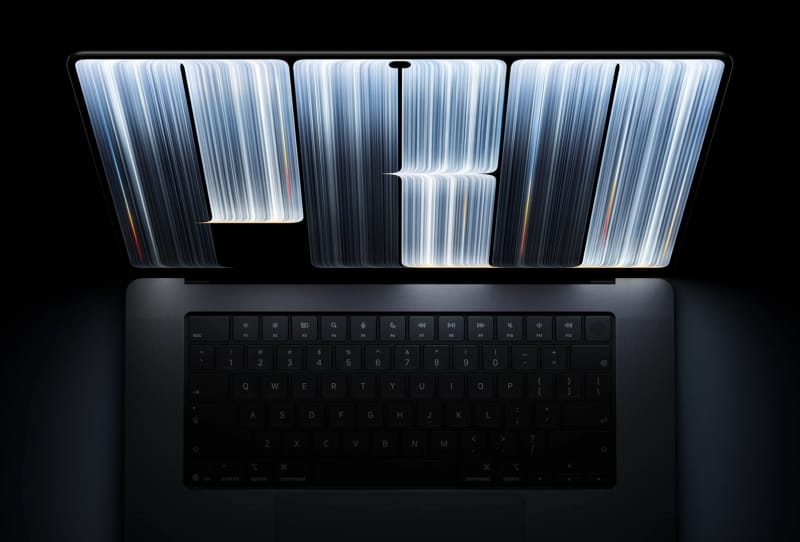
Apple is reportedly bringing touch input to the MacBook Pro for the first time, pairing it with a new ProLED XDR display that is said to combine OLED-level contrast with the brightness of the company’s existing XDR mini-LED panels. The shift would end more than a decade of public insistence from Apple executives that a touchscreen simply didn’t belong on a Mac.
Key takeaways
- ✓Apple is reportedly adding a touchscreen to the MacBook Pro for the first time.
- ✓The new ProLED XDR display reportedly blends OLED-style contrast with Apple's existing XDR brightness.
- ✓Apple executives spent over a decade dismissing touchscreen Macs on ergonomic and software grounds.
- ✓Windows laptops have shipped with touchscreens since Windows 8 launched in 2012.
- ✓The change raises fresh questions about Apple Pencil support and macOS's touch interface future.
For a company that once mocked rivals for bolting touch onto traditional laptops, this is a notable reversal. It also arrives at a moment when the line between MacBook and iPad has become harder to draw, with Apple’s tablets now running desktop-class chips and supporting keyboards, trackpads, and full external displays.
Table of Contents
Why Apple Resisted Touchscreens for So Long
Steve Jobs set the tone back in 2010, arguing that touch worked brilliantly on a tablet lying flat but became exhausting on an upright laptop screen, a problem ergonomists later nicknamed “gorilla arm” fatigue. Apple leaned on that argument for years as Windows rivals rushed to add touch to their laptops.
Craig Federighi, Apple’s software chief, repeated a version of that stance as recently as 2018, telling reporters that Apple had tested touch Mac prototypes extensively and concluded the experience wasn’t right. The company’s official line was always that macOS and iPadOS were deliberately separate, each optimised for its own input method.
That separation has eroded steadily. Stage Manager, trackpad gestures borrowed from iPadOS, and the growing overlap in app libraries have all chipped away at the idea that Mac and iPad need to stay strictly apart. A touchscreen MacBook Pro looks like the next logical step in that blurring, rather than a sudden change of heart.
What the ProLED XDR Display Actually Changes
Apple’s current MacBook Pro models use Liquid Retina XDR panels, a mini-LED backlit technology that delivers strong brightness and deep local dimming without the burn-in risk associated with OLED. The reported ProLED XDR display appears to build on that foundation while adding the contrast and responsiveness needed for reliable touch interaction.
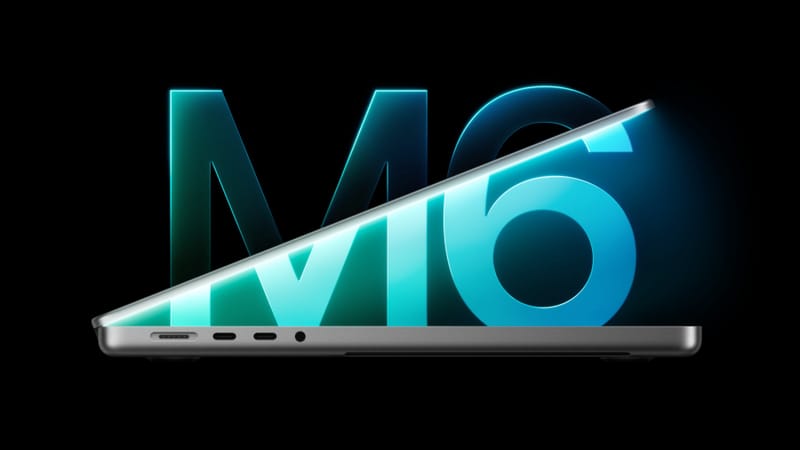
Exactly how Apple engineered touch sensitivity into a panel built around thousands of individually dimmed mini-LED zones hasn’t been detailed, and the company has not issued a public confirmation at the time of writing. What’s clear is that this isn’t a simple glass overlay bolted onto an existing screen; it represents a meaningful engineering shift for Apple’s most demanding laptop line.
Whether a touchscreen MacBook Pro also gains Apple Pencil support remains an open question. Apple already sells a iPad Pro, which already supports Apple Pencil, and extending that accessory to the Mac would be a far bigger statement than touch alone, since it would push the MacBook Pro squarely into creative-tablet territory.
A Decade Behind the Rest of the Industry
Context matters here, because Apple is not pioneering touch laptops. It’s catching up. Microsoft normalised touch on Windows machines back in 2012 with Windows 8, and manufacturers like HP, Lenovo, and Dell have shipped convertible and touch-enabled laptops ever since.
| Year | Milestone | Platform |
|---|---|---|
| 2002 | Windows XP Tablet PC Edition launches | Windows |
| 2012 | Windows 8 brings touch to mainstream laptops | Windows |
| 2014 | HP Spectre x360 popularises the touch convertible | Windows |
| 2022 | Microsoft Surface Laptop Studio refines pen and touch hybrids | Windows |
| 2026 | Apple reportedly adds touch to the MacBook Pro | macOS |
That gap of well over a decade explains some of the surprise around this report. Apple’s reluctance was never about the technology being unavailable; it was a deliberate design philosophy that kept the Mac and iPad on separate tracks. A touchscreen MacBook Pro suggests that philosophy has finally given way to market pressure and shifting user habits.
What It Means for Buyers and the Mac Ecosystem
For everyday users, a touchscreen MacBook Pro likely won’t change much about how documents get written or spreadsheets get edited. The trackpad and keyboard will almost certainly remain the primary input method, just as they are on most Windows touch laptops today.
The bigger impact will land with creative professionals: illustrators, video editors, and designers who already lean on iPad Pro and Apple Pencil workflows. A touch-capable MacBook Pro with proper XDR colour accuracy could let that group work directly on the Mac without switching devices, assuming macOS apps get meaningful touch optimisation to match.
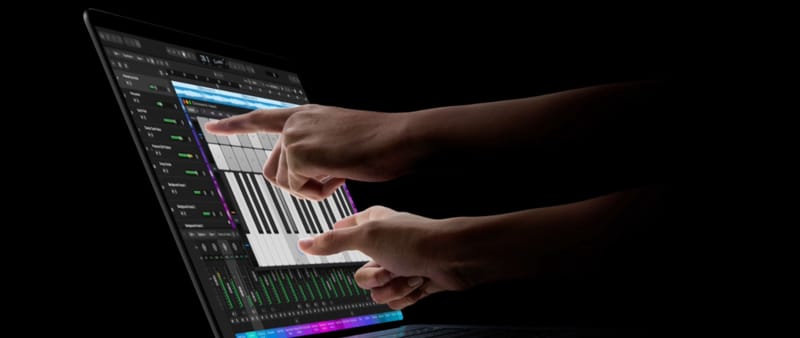
There’s also a software question looming over all of this. macOS wasn’t built with touch targets in mind the way iPadOS was, and Apple will need to decide how much of the interface gets reworked. Anyone weighing an upgrade might also want to look at practical extras, like choosing the right USB-C hub for a MacBook Pro, since a touch display won’t change the laptop’s port limitations. The move fits a broader pattern of Apple expanding into categories it once avoided, echoing Apple’s broader push into new hardware categories and following its recent HomePod Mini 2 refresh. Whether the touchscreen MacBook Pro ships widely or starts as a higher-tier option within the current MacBook Pro lineup, it marks a genuine turning point for how Apple thinks about its flagship laptop.
Frequently asked questions
Will the touchscreen MacBook Pro support Apple Pencil?
Apple hasn’t confirmed Pencil support alongside the reported touch display. Adding it would bring the MacBook Pro closer to iPad Pro territory, but no official detail has been shared yet.
Why did Apple avoid touchscreen Macs for so long?
Apple executives, including Steve Jobs and Craig Federighi, argued for years that touch input caused arm fatigue on upright laptop screens and that mixing it with macOS would blur the deliberate split between Mac and iPad.
What is a ProLED XDR display?
It’s reportedly Apple’s next evolution of its Liquid Retina XDR mini-LED technology, adding the contrast and touch responsiveness needed to support finger input while keeping the brightness Apple’s Pro displays are known for.
Have other laptop brands offered touchscreens before Apple?
Yes. Windows manufacturers have sold touch-enabled and convertible laptops since Windows 8 launched in 2012, well over a decade before Apple reportedly brought the feature to the MacBook Pro.