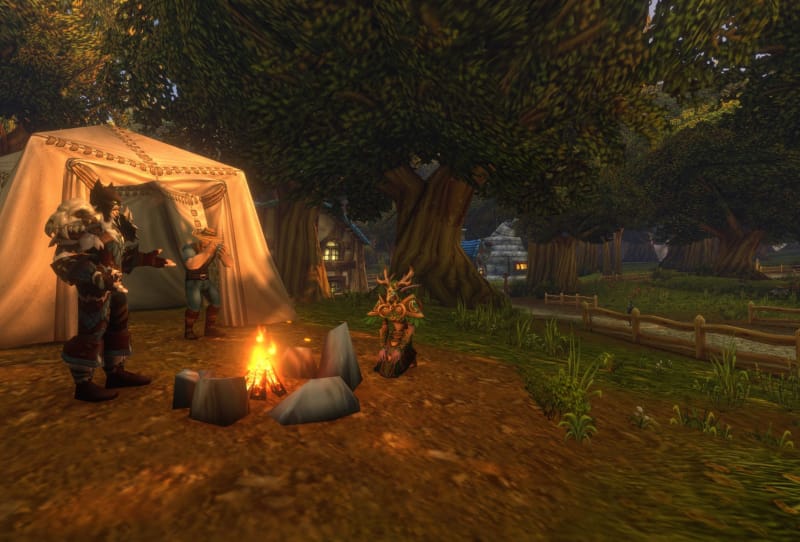
WoW Classic Plus is the name the community has long used for a simple idea: keep updating World of Warcraft Classic with new content without turning it into a copy of modern retail WoW. Blizzard Entertainment has now spelled out the design pillars it is using to make that idea real, as part of its newly announced World of Warcraft: Forever initiative.
Key takeaways
- ✓Blizzard has shared the design pillars guiding WoW Classic Plus development for World of Warcraft: Forever.
- ✓The approach prioritises keeping the original game's pacing, tone and core systems intact.
- ✓New content is meant to feel native to vanilla WoW rather than bolted on from retail.
- ✓Season of Discovery previously tested how far Classic content could expand before it stopped feeling like Classic.
- ✓No release date has been confirmed for new WoW: Forever content built under this philosophy.
The team behind the project says every addition has to pass a basic test before it ships: does it still feel like the original 2004 game? That means weighing new systems, zones or quests against the pacing, difficulty and tone that made vanilla WoW distinct from the version of the game players know today, rather than simply porting modern conveniences backward.
Table of Contents
What the WoW Classic Plus philosophy actually means
Blizzard’s stated goal is to protect what it calls the core design, pacing and tone of the original release. In practice, that touches everything from how quickly characters level up to how punishing combat feels, how travel works, and how much hand-holding a quest log gives the player.
Retail World of Warcraft has spent two decades adding quality-of-life features, streamlined questing and faster progression. Many of those changes were popular, but they also moved the game away from the slower, more deliberate experience that drew players to World of Warcraft: Forever and the Classic re-releases in the first place. The design pillars are essentially a guardrail against that drift happening again inside Classic.
That does not mean the game stands still. It means new content gets built to look and play as though it could have shipped in 2004, with systems that complement the original’s rules instead of replacing them.
Why Blizzard is being this careful
This is not the studio’s first attempt at expanding Classic. Season of Discovery, launched in late 2023, tested how far new runes, abilities and dungeons could push the original formula before players stopped recognising it as Classic at all. The reception was mixed enough that it clearly informed how the WoW: Forever team is now talking about its process.
Vanilla WoW’s community has always been protective of what made it different: brutal class balance, meaningful travel time, and a slower social game built around grouping up rather than soloing content. Blizzard risks alienating that core audience if new content feels inconsistent with those values, even if it is more polished or more generous than what shipped in 2004.
Publishing the design pillars publicly is also a trust exercise. It gives players a yardstick to measure future patches against, rather than leaving Blizzard to simply announce changes and hope the community accepts them.
How this compares with other versions of the game
| Version | Approach | Pacing |
|---|---|---|
| Original WoW Classic | Faithful recreation of 2004 content, no additions | Slow, deliberate levelling |
| Season of Discovery | New runes, abilities and zones layered onto Classic | Mixed, occasionally faster than original |
| Retail WoW | Continuously expanded with modern systems | Fast, streamlined |
| WoW: Forever (Classic Plus) | New content built to vanilla’s original design rules | Intended to match original pacing |
This table shows the gap Blizzard is trying to close. Classic Plus sits deliberately between a museum-piece recreation and a fully modernised game, aiming to add longevity without importing retail’s faster rhythm.
What it means for players
For long-time Classic players, the announcement signals that Blizzard intends to keep investing in the version of WoW they originally fell in love with, rather than letting it stagnate or quietly pushing everyone toward retail. That is a meaningful commitment given how many live-service games eventually get deprioritised in favour of their newer counterparts.
It also raises the bar for what Blizzard ships next. Players who remember Season of Discovery’s uneven reception will judge future content against these stated pillars, and any update that feels like it breaks vanilla’s tone will likely draw immediate criticism from a vocal community that knows the original game intimately.
No release date or specific content has been confirmed yet for WoW: Forever under this philosophy. Blizzard has committed to the principles rather than a roadmap, which leaves plenty of detail still to come, including how PvP, raiding and the broader endgame might expand without disrupting the systems players already know.
Frequently asked questions
What is WoW Classic Plus?
WoW Classic Plus is a community and now official term for expanding World of Warcraft Classic with new content while keeping the original game’s pacing, difficulty and tone intact, rather than converging it with modern retail WoW.
What is World of Warcraft: Forever?
World of Warcraft: Forever is Blizzard’s newly announced initiative for the long-term future of the vanilla era of the game, with the Classic Plus design pillars guiding how new content gets added.
Is Season of Discovery part of this plan?
Season of Discovery launched in 2023 as an earlier experiment in adding new systems to Classic. Its mixed reception appears to have shaped the more cautious design pillars Blizzard is now applying to WoW: Forever.
When will new Classic Plus content be released?
Blizzard has not confirmed a release date or specific content list. The studio has outlined its design philosophy first, with details on actual features expected at a later date.