The Audacity 4 audio editor has landed, and it marks the biggest change to the free recording tool since it first appeared back in 2000. Developed by Muse Group, the update finally delivers non-destructive editing, overlapping clips and a completely reworked interface, turning a program long known for its clunky layout into something that finally feels like a modern piece of software.
Audacity has always had a loyal following because it does the job for free, but its workflow has aged badly. Trimming a clip meant the audio was gone for good unless a project was reopened from an earlier save. Dragging one clip past another on the timeline simply was not possible without cutting and pasting it into place. Those quirks are now history.
Table of Contents
What changes with the Audacity 4 audio editor
The headline feature is non-destructive editing. Trim a clip down in Audacity 4 and the trimmed audio is not deleted, it is just hidden. Drag the edge of the clip back out and the material returns, which removes the fear of permanently losing a good take while tightening up a recording.
Clips can now overlap one another too. That sounds like a small detail, but it solves a genuinely annoying problem: pasting audio into a spot that does not have enough empty space. Previously that meant shuffling other clips out of the way first. Now audio can be dropped in and adjusted afterwards, or simply dragged around the timeline without everything grinding to a halt.
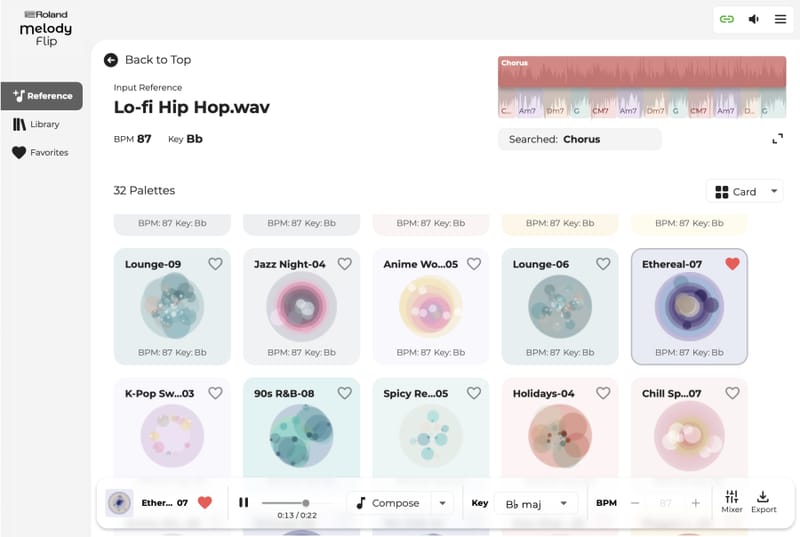
Splitting clips has also been added, letting users chop a longer recording into separate sections and rearrange them freely. Combined with refreshed clip envelopes for volume automation and an overhaul of the built-in effects, the editing process behaves much more like a proper multitrack workstation than the bare-bones tool longtime users are used to.
A new look and a new home screen
Audacity 4 also gets a visual overhaul, bringing it closer in style to Muse Group’s other software such as MuseScore and Audio.com. Customisable themes are part of the package, so the interface no longer looks stuck in the early 2000s. A new home screen handles project organisation, giving users a proper landing page instead of dropping straight into a blank timeline.
The redesign was not without a hiccup along the way. An early version of the new logo did the rounds online last October and drew plenty of criticism for looking unfinished and generic. The version that shipped with the final release is a noticeably cleaner mark, and it has largely avoided the backlash that greeted the earlier draft.

Old workflow versus new workflow
| Task | Audacity 3 and earlier | Audacity 4 |
|---|---|---|
| Trimming a clip | Audio permanently removed | Non-destructive, can be restored |
| Overlapping audio | Not possible, clips block each other | Clips can overlap freely |
| Splitting audio | Manual cut and paste | Dedicated split tool |
| Interface | Largely unchanged since early releases | Redesigned with custom themes |
Why the update matters for podcasters and home recordists
Audacity has remained a default choice for podcasters, musicians and anyone recording voiceovers because it costs nothing and runs on almost anything. That popularity has made its dated workflow more noticeable over time, especially as paid tools built more forgiving, non-linear editing into their core design years ago. Audacity 4 closes a lot of that gap without asking users to pay for the privilege.
The improvements line up neatly with how people actually record these days. Anyone pairing the software with wireless microphones designed for easy recording or a dedicated interface benefits from an editor that no longer punishes small mistakes with permanent audio loss. It also fits into the broader push around recent shifts in how audio gets recorded and played back, where the tools around the recording process are finally catching up to the hardware.
For home studio setups built around audio interfaces built for content creators or compact audio hardware for home setups, having a capable free editor at the centre of the workflow removes one of the last excuses to reach for a paid alternative. Muse Group has essentially rebuilt the app’s foundations while keeping it free, which is not a small thing for a piece of software this widely used.

What to expect going forward
Muse Group has not signalled that this is the end of the road for Audacity’s development. Non-destructive editing and overlapping clips bring the app in line with expectations set by modern digital audio workstations, but there is still room to add features like better multitrack mixing tools or deeper plugin support down the line.
For now, existing users can expect a genuinely different experience the moment they open a project, rather than a cosmetic skin over the same old engine. Anyone who abandoned Audacity in frustration over its rigid editing model has a good reason to give it another look, and newcomers get a free editor that finally behaves the way they would expect. Full details and downloads are available through Audacity’s official website.