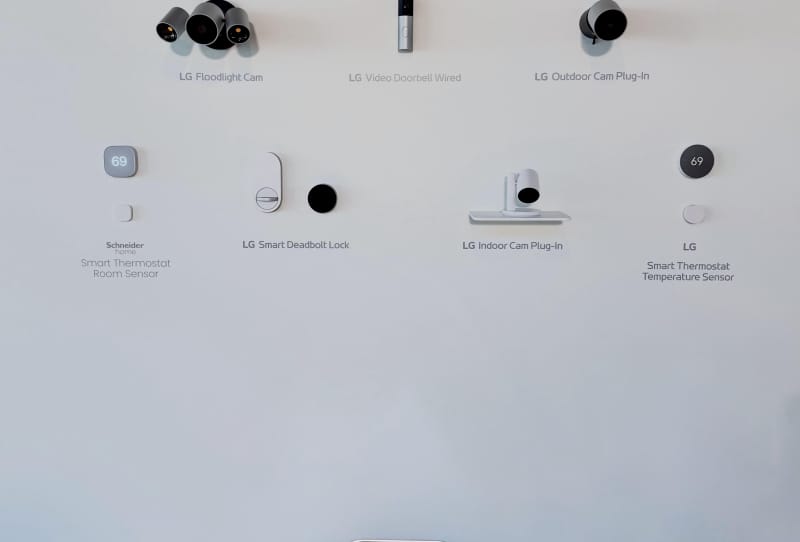
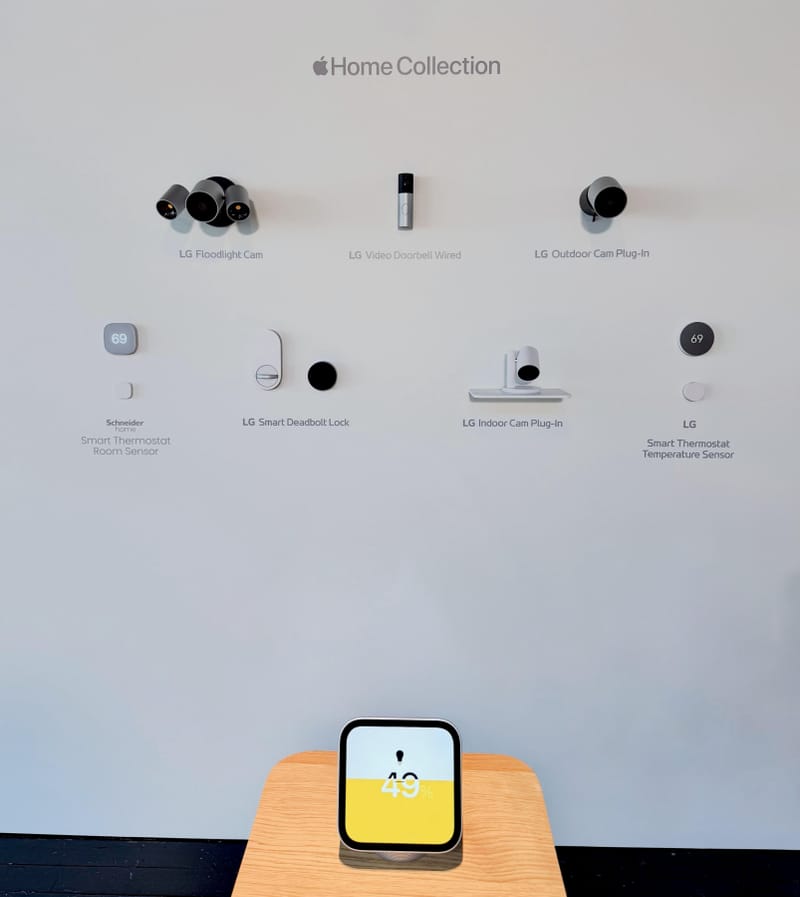
Apple has launched the Apple Home Collection, its first self-branded range of smart home hardware, ending more than a decade of relying solely on outside manufacturers to build devices for its platform. The lineup covers cameras, sensors, thermostats, a smart door lock and a video doorbell, all co-developed with LG Electronics and Schneider Electric.
Key takeaways
- ✓Apple has launched its first full smart home hardware range, called Apple Home Collection.
- ✓The lineup includes cameras, a video doorbell, a smart door lock, thermostats and sensors.
- ✓LG Electronics and Schneider Electric co-developed the hardware alongside Apple.
- ✓The launch ends more than a decade of Apple relying only on third-party HomeKit gear.
- ✓Apple is pitching the range on easier setup, tighter integration and stronger privacy.
For years, Apple’s approach to the smart home was to set the rules through HomeKit and let third parties such as Aqara, Eufy and Ecobee build the actual products. The Apple Home Collection flips that script. Apple is now putting its own name on the hardware sitting on a customer’s front door, in the hallway and on the thermostat, rather than just providing the software glue that ties someone else’s gadgets together.
Table of Contents
What’s actually in the Apple Home Collection
The range spans several categories that cover the most common entry points into home security and automation. There are indoor and outdoor cameras, environmental and door and window sensors, a video doorbell, a smart thermostat, and a smart door lock. Together they mirror the core products most households buy first when starting a smart home setup, rather than niche accessories aimed at enthusiasts.
Co-developing the range with LG Electronics and Schneider Electric gives Apple manufacturing and hardware engineering experience it does not have in-house for categories like locks and thermostats, while Apple supplies the chip design, software and integration layer. It is a similar model to how Apple has worked with partners on components for the iPhone and Apple Watch, just applied to an entirely new product category.
| Product type | Category | Role in the home |
|---|---|---|
| Camera | Security | Indoor and outdoor monitoring |
| Video doorbell | Security | Entry monitoring and alerts |
| Smart lock | Access control | Keyless entry at the front door |
| Thermostat | Climate | Heating and cooling control |
| Sensors | Automation | Doors, windows and environment triggers |
Why Apple is stepping away from third-party-only smart home gear
Apple’s long-standing HomeKit model worked well for control and automation but struggled with adoption. Many manufacturers skipped HomeKit certification entirely because it added cost and complexity, which left Apple customers with a smaller pool of compatible devices than those using Amazon’s or Google’s ecosystems. Building its own hardware sidesteps that problem completely, because Apple no longer needs a third party to decide whether a product supports its platform properly.
Tighter integration is the other obvious motivation. When Apple designs the chip, the software and the hardware together, features like Face ID-style identity checks, encrypted video storage, and seamless handoff between devices become far easier to deliver consistently. That is the same logic Apple has applied to the iPhone, Mac and Apple Watch for years, now extended to the front door and the thermostat.
Privacy is central to how Apple is positioning the launch. Competing smart home ecosystems from Amazon and Google have faced repeated scrutiny over how camera footage and voice data get stored and used. Apple’s pitch leans on on-device processing and encrypted storage, an approach it has used to differentiate iPhone and iCloud features for years, and one that lines up with Apple’s broader push into smarter home entertainment through Siri and the Home app.
Competition and what buyers should weigh up
The smart home market Apple is entering is crowded and mature. Amazon’s Echo range, Google’s Nest lineup and Samsung’s SmartThings ecosystem already have years of market presence, established pricing expectations and large installed bases of compatible accessories. Independent brands like Aqara and Eufy also compete heavily on value in the same camera, sensor and lock categories Apple is now targeting directly.
That puts real pressure on Apple to prove the Apple Home Collection is worth choosing over cheaper, already-familiar alternatives. Shoppers comparing options often look at hubs and storage as much as individual sensors, which is why rival smart home hubs that double as local storage have found an audience among people wary of cloud subscriptions. Apple will need to show its ecosystem advantage is worth any premium over those alternatives.
For existing Apple users, the appeal is straightforward: hardware designed specifically to work with the Home app, Siri and Apple’s security model, without worrying about HomeKit compatibility gaps. For everyone else, it is a genuine alternative entry point into home automation, alongside other approaches to smarter ways to power everyday household devices that don’t require buying into a single ecosystem. Whether that convinces people to switch from an established setup is the real test the Apple Home Collection now faces.
Frequently asked questions
What is included in the Apple Home Collection?
The Apple Home Collection includes indoor and outdoor cameras, a video doorbell, a smart door lock, a thermostat and home sensors, all built to work natively with Apple’s Home app and Siri.
Who manufactures the Apple Home Collection devices?
Apple co-developed the hardware with LG Electronics and Schneider Electric, combining Apple’s software and chip design with its partners’ manufacturing experience in home appliances and electrical systems.
Does the Apple Home Collection replace HomeKit accessories from other brands?
No. Existing HomeKit-compatible devices from brands like Aqara and Eufy will keep working through the Home app. The Apple Home Collection simply gives Apple customers an in-house alternative alongside those third-party options.
Is the Apple Home Collection more private than rival smart home systems?
Apple is promoting on-device processing and encrypted storage as key advantages over competing ecosystems from Amazon and Google, though independent privacy testing of the new devices has not yet been published.