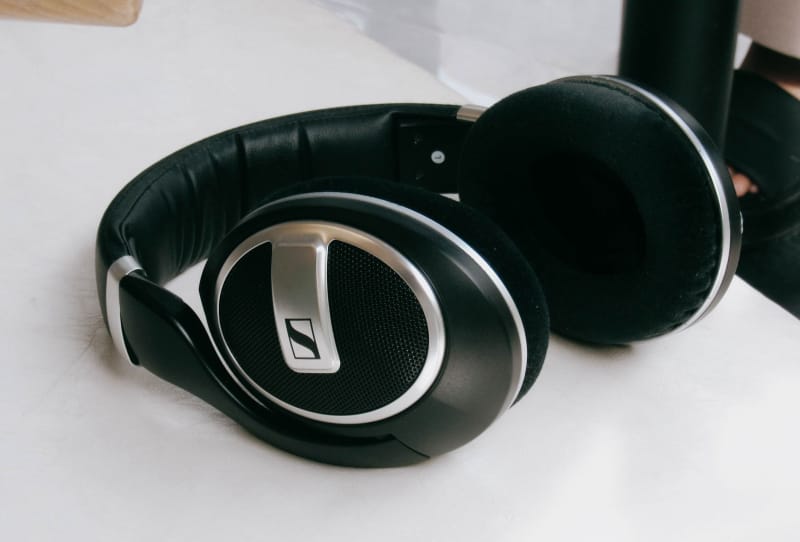
Bluetooth is getting a major bandwidth upgrade that could finally let wireless headphones carry truly lossless audio files. The new Bluetooth High Data Throughput extension, known as HDT, can support a maximum bandwidth of 7.5 Mbps, several times more than anything current Bluetooth audio codecs can manage.
Key takeaways
- ✓Bluetooth High Data Throughput (HDT) can deliver up to 7.5 Mbps of bandwidth, far beyond existing audio codecs.
- ✓Current hi-res Bluetooth codecs like LDAC and aptX HD top out near 990 kbps, short of true lossless CD-quality needs.
- ✓HDT is designed to let Bluetooth carry genuinely lossless audio files without the usual compression trade-offs.
- ✓The extension builds on the Bluetooth SIG's broader LE Audio overhaul, including the LC3 codec.
- ✓New chipsets and firmware will be needed before headphones and earbuds can actually use HDT.
That extra headroom matters because lossless audio files are big, and wireless audio has always had to compromise to fit them through a narrow pipe. Bluetooth High Data Throughput is designed to close that gap, giving device makers enough bandwidth to send audio without stripping away the data that compression normally discards.
Table of Contents
What Bluetooth High Data Throughput actually changes
Every Bluetooth audio codec in wide use today, including aptX HD and Sony’s LDAC, tops out at around 990 kbps. Those codecs do a good job of approximating high-resolution sound, but they still rely on lossy or near-lossless compression to squeeze big files through limited bandwidth. A true lossless CD-quality stereo stream, at 16-bit depth and 44.1kHz, already needs around 1.4 Mbps on its own, and hi-res files sampled at 24-bit and 96kHz or higher demand considerably more.
At up to 7.5 Mbps, Bluetooth HDT has enough room to carry those larger lossless files without the usual trade-offs. In practical terms, that means a wireless connection could, in theory, carry the same uncompressed audio data a wired cable would, rather than a compressed approximation of it.
It is worth being clear about what HDT is: a data throughput extension to the Bluetooth standard, not a finished consumer codec by itself. Device makers and chipset manufacturers still need to build products that take advantage of the extra bandwidth, which means real-world lossless Bluetooth headphones will not appear the moment the specification is finalised.
Why audiophiles have been waiting for this
Wireless audio has always carried a credibility problem among serious listeners. Even the better codecs are a compromise, and critical listeners have long argued that nothing wireless truly matches a wired connection for fidelity. Bluetooth High Data Throughput is effectively the Bluetooth SIG’s answer to that complaint, aiming to remove the technical excuse rather than just narrowing the gap further.
This is not the first move in that direction. The Bluetooth SIG has already been reshaping its audio ambitions through Bluetooth LE Audio’s overhaul of wireless sound, which introduced the more efficient LC3 codec and better support for multi-device streaming. HDT builds on that foundation by tackling the bandwidth ceiling directly, rather than just making better use of the bandwidth that already exists.
The timing lines up with a broader push across the industry toward recognising lossless and hi-res audio as a mainstream expectation rather than a niche audiophile demand, something reflected in the Bluetooth 7 specification’s hi-res audio boost released alongside related updates to the standard.
How it compares with what is already available
The table below shows roughly where common Bluetooth audio codecs sit against the new HDT ceiling. The figures make clear just how much extra headroom the new extension introduces.
| Codec or extension | Approximate maximum bitrate | Lossless capable |
|---|---|---|
| SBC (standard Bluetooth) | ~328 kbps | No |
| AAC | ~250-320 kbps | No |
| aptX HD | ~576 kbps | No |
| LDAC | ~990 kbps | Near-lossless at best |
| Bluetooth HDT | Up to 7.5 Mbps | Yes, by design |
This was first flagged as an earlier step toward a lossless Bluetooth standard, when details of the HDT extension began circulating ahead of formal confirmation. The jump in available bandwidth is substantial enough that it changes the conversation from “how close can Bluetooth get to wired audio” to “can Bluetooth simply match it.”
What it means for buyers and manufacturers
None of this changes anything for headphones already on shelves. Bluetooth High Data Throughput is a specification extension, and Bluetooth SIG, the group that manages the wireless standard, still needs manufacturers to design chipsets, firmware, and products that actually implement it before anyone can use it. That process typically takes a year or more from a specification’s release to real hardware reaching consumers.
For audio brands building higher-end wireless headphones and earbuds, HDT offers a genuine technical argument for upgrading hardware rather than just adding features. For everyday listeners, the practical benefit may be smaller than it sounds, since most streaming services still compress their catalogues, and telling the difference between near-lossless and true lossless playback depends heavily on the listener’s ears and equipment. Even so, for anyone who cares about squeezing every bit of fidelity out of a wireless connection, Bluetooth finally having the bandwidth to carry it matters.
Frequently asked questions
What is Bluetooth High Data Throughput?
Bluetooth High Data Throughput, or HDT, is an extension to the Bluetooth standard that raises the maximum available bandwidth to roughly 7.5 Mbps, enough to carry genuinely lossless audio files rather than compressed approximations.
Is Bluetooth HDT the same as LDAC or aptX HD?
No. LDAC and aptX HD are audio codecs that compress data to fit within existing Bluetooth bandwidth limits. HDT is a throughput extension that raises the bandwidth ceiling itself, which could eventually support new codecs capable of true lossless transmission.
When will headphones support Bluetooth High Data Throughput?
No consumer products currently support HDT. Chipmakers and headphone manufacturers need to design and certify hardware around the new extension first, a process that typically takes well over a year after a specification is finalised.
Will Bluetooth HDT replace wired headphones for audiophiles?
It narrows the gap considerably, but it will not eliminate every advantage of a wired connection, such as lower latency and the absence of any wireless interference. It does, however, remove the long-standing bandwidth excuse for why Bluetooth audio could not be truly lossless.