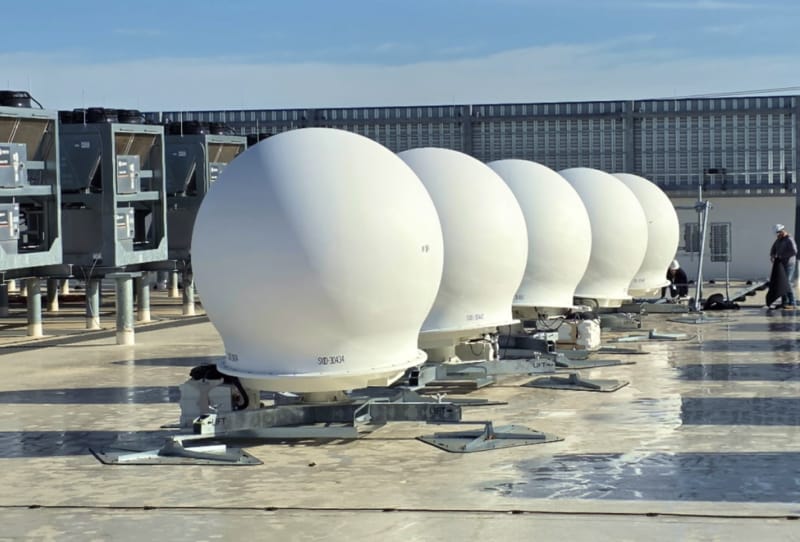
The US Federal Communications Commission has approved 36 Starlink next-gen gateways, clearing SpaceX to begin building out the ground infrastructure needed for gigabit-speed satellite broadband. The approval, granted on Thursday, covers gateway stations across California, Colorado, Missouri, Texas and Washington, and marks a significant step in SpaceX’s plan to dramatically boost capacity on its satellite internet service.
Key takeaways
- ✓The FCC approved 36 Starlink next-gen gateways across California, Colorado, Missouri, Texas and Washington.
- ✓Each quadband gateway uses 40 antennas to support gigabit-speed, low-latency broadband links to orbit.
- ✓Rival satellite operator Iridium withdrew its interference objection after talks with SpaceX over coordination.
- ✓SpaceX currently has 26 V3 satellites in orbit, with 26 more due to launch and hundreds needed for full impact.
- ✓A handful of gateway applications, including one called First of Its Name, are still pending separate review.
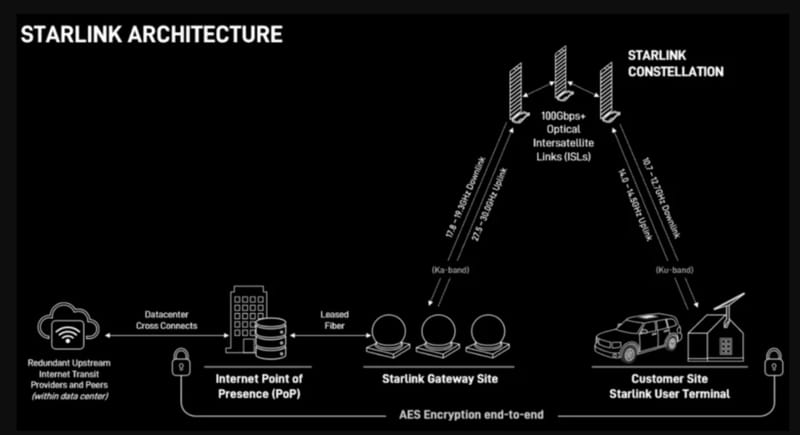
Gateways matter because they are the physical link between the Starlink constellation and the terrestrial internet. Each station connects to fibre networks on the ground and beams data up to orbiting satellites, then relays it back down to subscriber dishes. Without enough of these stations in the right places, even the fastest satellites in orbit cannot deliver the speeds SpaceX has promised.
Table of Contents
What the FCC actually approved
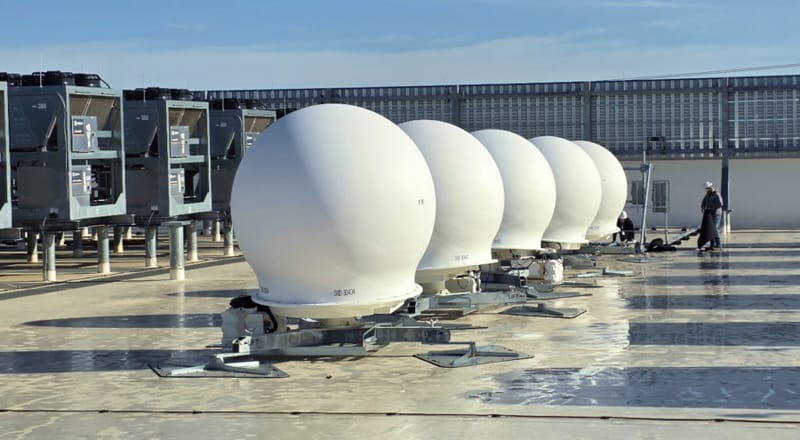
SpaceX began filing applications in April for what it calls next-generation quadband gateway earth stations. These sites use 40 antennas apiece to capture additional radio frequencies, which the company says will deliver gigabit-speed, low-latency broadband with what it describes as fibre-like capacity. That is a notable jump from the service most current Starlink customers experience, which typically sits well below gigabit territory.
The FCC’s order does not cover every application SpaceX submitted. One site, referred to internally as First of Its Name, was left out of this batch, along with a handful of others. The commission noted that SpaceX had modified that particular application to also request use of the 42.0 to 42.5GHz band for downlink transmissions, which likely pushed it into a separate review track. SpaceX can keep operating from that site in the meantime under a special temporary authority that has already been renewed and now runs until January.
Why gigabit speeds depend on V3 satellites
The new gateways are only half the equation. The other half is SpaceX’s V3 satellite, a larger and more capable spacecraft designed to work hand in hand with this upgraded ground infrastructure. SpaceX currently has 26 V3 satellites in orbit, with another 26 scheduled to launch during a Starship flight. That is a modest number against the scale SpaceX says it eventually needs.
SpaceX President Gwynne Shotwell addressed the timeline on last month’s earnings call, saying the company expects to need a few hundred V3 satellites before everyday users notice a real difference. She indicated that milestone is achievable by the middle of next year. A SpaceX executive has also confirmed that the newer Starlink Mini 2 and V5 dish models are already built to work with V3 satellites, meaning existing hardware will not necessarily need replacing to benefit from the upgrade.
Even customers who never touch a gigabit speed test should see some benefit. More satellite and gateway capacity generally eases congestion across the whole network, which is the kind of improvement that shows up as fewer slowdowns during peak hours rather than a headline speed number.
Iridium’s objection, and why it withdrew
The approval was not entirely uncontested. Satellite operator Iridium initially filed petitions arguing the new Starlink next-gen gateways could cause radio interference with its own network. Last month, Iridium withdrew those petitions, saying it believed coordination with SpaceX to avoid interference was achievable.
The FCC’s order went further than simply noting the withdrawal. It found that SpaceX had met the regulatory requirement to demonstrate its proposed stations would not cause unacceptable interference to any other authorised satellite network sharing the same frequency band. The commission specifically rejected Iridium’s argument that gateway sites far from its own feeder link locations, citing examples in Buffalo, Minnesota, and Brooklyn, New York, could meaningfully disrupt Iridium’s feeder link sites in Arizona.
That finding matters beyond this one dispute. As more companies compete for limited satellite spectrum, including through a separate FCC proposal covering satellite-to-Bluetooth connections, this kind of interference ruling sets a precedent for how the regulator weighs competing claims from rival satellite operators.
What it means for Starlink customers
None of this changes what current subscribers see overnight. Building out gateway stations and launching satellites takes time, and Shotwell’s own comments suggest meaningful, widely felt speed gains are still roughly a year away. In the meantime, SpaceX continues rolling out complementary upgrades, including Starlink’s Wi-Fi 7 router, aimed at making sure home networking gear does not become the bottleneck once faster satellite links arrive.
The approval also lands at a moment when SpaceX is adjusting other parts of its business, including a dynamic pricing trial that drew user backlash. Taken together, the gateway approval, satellite launches, and hardware updates point to a company racing to scale capacity faster than demand can outpace it, a pattern that has defined Starlink’s growth since it moved beyond its early beta years.
| Detail | Figure |
|---|---|
| Gateways approved | 36 next-gen quadband stations |
| States covered | California, Colorado, Missouri, Texas, Washington |
| Antennas per gateway | 40 |
| V3 satellites currently in orbit | 26, with 26 more scheduled to launch |
| Satellites needed for broad impact | A few hundred, per SpaceX, by mid next year |
Frequently asked questions
What are Starlink’s next-gen gateways for?
They are ground stations that connect to fibre networks and beam data to and from SpaceX’s satellites. The next-gen quadband versions use 40 antennas each to support gigabit-speed, low-latency broadband rather than the lower speeds most current subscribers get.
When will Starlink customers get gigabit speeds?
No firm date has been confirmed. SpaceX President Gwynne Shotwell said the company expects to need a few hundred V3 satellites in orbit before users broadly notice faster speeds, and estimated that could happen by the middle of next year.
Do existing Starlink dishes work with the new network?
SpaceX has indicated that the newer V5 and Mini 2 dish models are already compatible with V3 satellites, so many current customers will not need new hardware to benefit from the upgrade once it rolls out more broadly.
Why did Iridium object to the approval?
Iridium initially argued the new gateways could interfere with its own satellite network. It withdrew its petitions after concluding coordination with SpaceX was achievable, and the FCC separately found no evidence of unacceptable interference.