Starlink dynamic pricing is now being tested in select markets, letting the satellite internet provider raise or lower a customer’s monthly bill by as much as 20 percent depending on local demand. Some users are furious about the uncertainty this creates, comparing the shift to being held hostage by a provider they cannot easily leave.
Key takeaways
- ✓Starlink is trialling dynamic pricing that can shift monthly bills by up to 20 percent based on local demand.
- ✓The model mirrors surge pricing used by ride-hailing apps, raising rates in high-demand areas and lowering them elsewhere.
- ✓Users in areas with no alternative broadband provider say the uncertainty feels exploitative.
- ✓Starlink previously cut a similar demand-based surcharge in Alaska from $1,500 to $500 after backlash.
- ✓The trial is currently limited to select markets, with no confirmation it will extend to Australia.
The policy, confirmed by Starlink as a trial rather than a permanent rollout, works a bit like the surge pricing used by ride-hailing apps. When demand in a particular area climbs, so does the bill. When demand is low, some customers are reportedly seeing their monthly rate drop instead. For a service many households depend on because there is no real alternative, that swing has triggered genuine anger among affected users.
Table of Contents
How Starlink’s dynamic pricing trial works
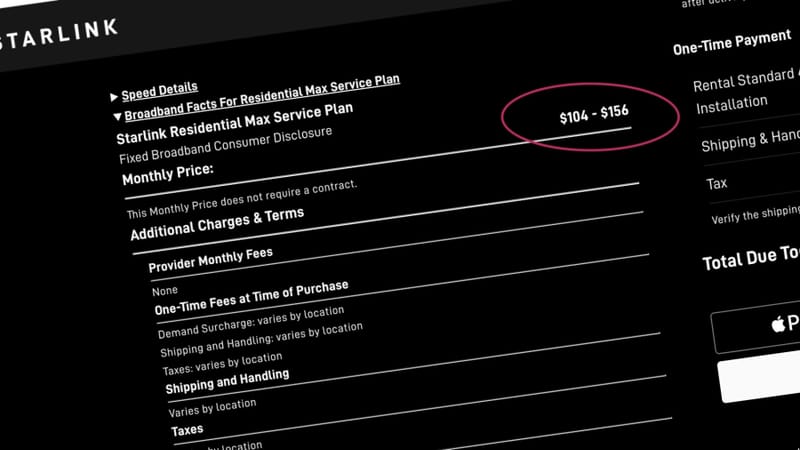
Under the trial, Starlink adjusts what a customer pays based on how many people in their area are using the network and how much capacity is available. In regions where satellite capacity is stretched thin, bills can climb by up to 20 percent. In areas with spare capacity, some customers are instead being offered lower rates as an incentive to sign up or stay connected.
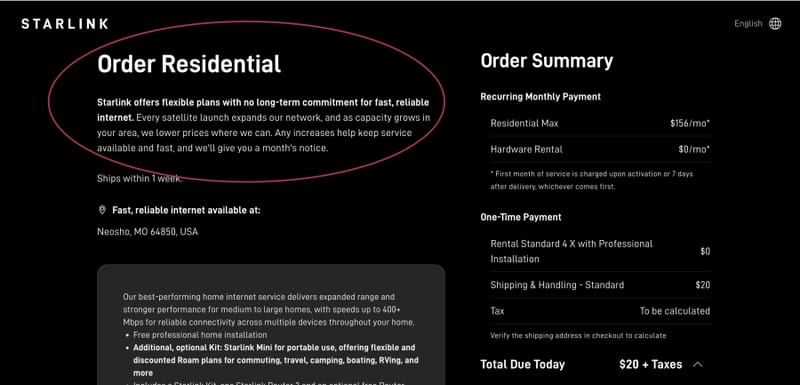
Starlink has not published a detailed breakdown of exactly how it calculates demand in a given area, which leaves customers unable to predict or verify why their bill moved in either direction. That lack of transparency is a big part of why the trial has drawn criticism, even from users who ended up paying less.
Users describe feeling held hostage by the changes
One Starlink customer, Loran Hatfield, did not mince words, calling the policy a “dogshit idea” that leaves subscribers at the mercy of a billing system they have no say in. That sentiment is echoed by other users in regions where Starlink is effectively the only broadband option available, whether because of distance from fixed infrastructure or the absence of competing fixed wireless services.
For those households, a rising bill is not something they can simply shop around to avoid. This is not the first time Starlink’s demand-based pricing has drawn fire. The company previously cut a similar demand-based surcharge in Alaska from a much higher figure down to a fraction of that after customers pushed back, suggesting Starlink is willing to adjust the model when backlash is loud enough.

Surge pricing comes to home internet
Dynamic pricing is nothing new in other industries. Airlines, hotels and ride-hailing apps have used it for years, and customers have largely accepted it because they can compare options before committing to a trip or a booking. Home internet is a different beast, because switching providers is slow, sometimes impossible in remote areas, and rarely something a household can do on short notice when a bill spikes.
Starlink is not alone in experimenting with demand-based billing for tech-adjacent services. A German utility recently rolled out a demand-based gaming electricity tariff aimed at heavy power users, showing that usage-linked pricing models are creeping into more corners of everyday tech spending. The difference is that electricity customers typically have far more competing suppliers to choose from than remote Starlink subscribers do.
What it means for Starlink customers, including in Australia
The dynamic pricing trial is currently limited to specific markets, and Starlink has not confirmed whether or when it might extend the model to other regions, including Australia. That matters locally because a meaningful share of Australian Starlink subscribers live in rural and remote areas where fixed-line broadband is patchy or unavailable, and where NBN fixed wireless or satellite options can be limited in speed and capacity.
If a similar demand-based model were ever introduced in Australia, the same concerns raised by US customers would likely apply here too. Households already paying a premium for connectivity in areas with few alternatives would have little leverage to push back against a price rise tied to local demand they cannot see or verify. For now, Starlink customers outside the trial markets are watching closely to see whether the backlash prompts the company to rethink the approach, as it did in Alaska, or whether dynamic pricing becomes a permanent fixture of satellite internet billing.
Frequently asked questions
What is Starlink’s dynamic pricing trial?
It is a test in which Starlink adjusts a customer’s monthly bill based on local demand for satellite capacity, similar to surge pricing used by ride-hailing apps. Bills can rise by up to 20 percent in high-demand areas or drop in areas with spare capacity.
Will dynamic pricing make Starlink more expensive?
It depends on location. Some customers are seeing bills rise where demand is high, while others in lower-demand areas are being offered reduced rates. The outcome varies by region and isn’t something customers can predict in advance.
Is Starlink’s dynamic pricing trial happening in Australia?
Starlink has not confirmed the trial extending to Australia. It remains limited to select markets, though the concerns raised by affected users would likely apply to any region with few alternative broadband providers.
Why are Starlink users upset about the change?
Many affected customers live in areas with no practical alternative internet provider, so a demand-driven bill increase feels unavoidable rather than optional. The lack of a clear, published formula for how demand is calculated has added to the frustration.