A German utility provider has rolled out a gaming electricity tariff designed for households that burn through unusually large amounts of power, whether that is from a stack of high-end gaming PCs or an electric car charging overnight. SWK Energie, based in the city of Krefeld, is marketing the plan directly at gamers, but the fine print makes clear it is really a tariff for anyone who uses a lot of electricity and wants a better rate for it.
Key takeaways
- ✓SWK Energie's gaming electricity tariff targets households using more than 2,500 kWh per year
- ✓The plan offsets a higher base price with renewable energy rates for heavy electricity users
- ✓It is aimed at homes running multiple gaming PCs, EVs or other power-hungry equipment
- ✓The tariff changes nothing about PC performance, only how electricity use is billed
- ✓A single RTX 5090 gaming rig can draw enough power to push a household into higher consumption brackets
The utility is upfront that the plan will not make any game run faster or shave a single millisecond off input lag. What it promises instead is a financial break for customers whose household consumption sits well above the national average, a group that increasingly includes people running power-hungry graphics cards, multiple monitors, and other demanding hardware around the clock.
Table of Contents
How the gaming electricity tariff works
To qualify for the lower rate, a household needs to consume at least 2,500 kilowatt-hours of electricity per year. That is roughly double what a typical single-person household in Germany might use, and it puts the tariff squarely in the territory of homes with serious computing setups, electric vehicles, or both running at once.
SWK Energie structures the offer with a higher base or standing charge than a standard household plan, but it offsets that with a lower per-kilowatt-hour rate once consumption climbs past the threshold. In practice, that means light users would pay more overall, while heavy users come out ahead because the savings on each unit of electricity outweigh the higher fixed fee. The provider also states the electricity supplied under the plan comes from renewable sources, aligning the offer with Germany’s broader push toward green energy even as it targets a decidedly power-hungry customer base.
| Tariff detail | Requirement or claim |
|---|---|
| Minimum annual usage | 2,500 kWh per year |
| Pricing structure | Higher base price offset by lower per-kWh rate |
| Energy source | Marketed as renewable electricity |
| Target customers | High-consumption households, including gaming PCs and EVs |
Why gaming PCs push households into high-consumption territory
A single enthusiast gaming PC is no longer a minor line item on a power bill. Flagship graphics cards like NVIDIA’s GeForce RTX 5090 can draw well over 500 watts under sustained load, and that is before accounting for the CPU, storage, and cooling needed to keep a high-end build stable. Add a household running two or three such systems, perhaps for multiple family members or a home streaming setup, and annual consumption climbs quickly.
It is not just the graphics card doing the work, either. Builders chasing every frame often invest in faster memory like DDR5, additional storage drives, and extra cooling fans, all of which add incremental draw. Multi-monitor setups compound the effect further, since running multiple monitors off a single gaming rig means powering several high-refresh-rate panels alongside the PC itself. None of this is dramatic in isolation, but across a full year of regular use it adds up to a meaningful chunk of a household’s energy bill.
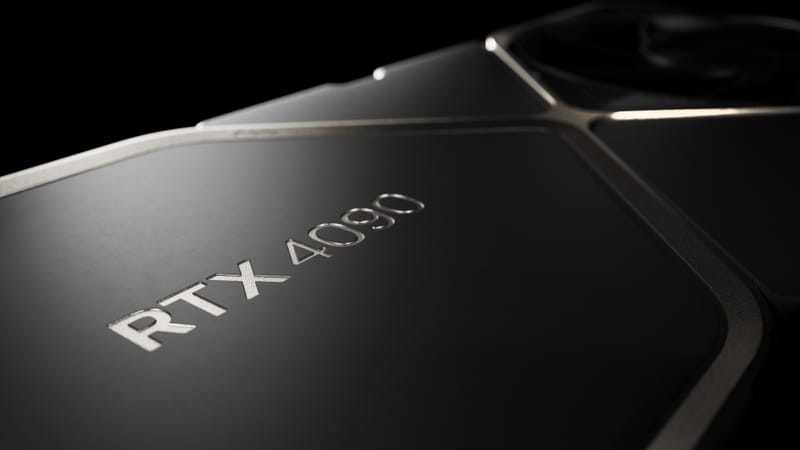
Compact high-performance systems are part of the same trend. Builders have even packed desktop-grade silicon into small form factors, with mini PCs built around desktop-class RTX 5090 graphics showing that serious power draw is no longer confined to full-size towers. Smaller chassis do not necessarily mean smaller electricity bills.
What the plan means for gamers and the wider market
For most people, a tariff like this will not change buying decisions about graphics cards or monitors. It is a billing structure, not a performance upgrade, and SWK Energie is not claiming otherwise. The real significance lies in a utility publicly acknowledging that enthusiast computing hardware has become a genuine driver of residential energy demand, alongside electric vehicles and home battery systems.
That acknowledgment matters because it signals how energy providers are starting to segment customers by usage pattern rather than treating all households the same. A family charging an EV overnight and a household running several gaming PCs through the evening have very different consumption curves, but both now fall into the same “high usage, please don’t leave us for a competitor” category that utilities are keen to retain. Whether other providers outside Germany follow with similar gaming-specific or high-consumption tariffs will depend on how enthusiastically local energy markets embrace the idea, but it reflects a broader reality: the hardware inside a gaming PC has real-world consequences well beyond the desk it sits on.
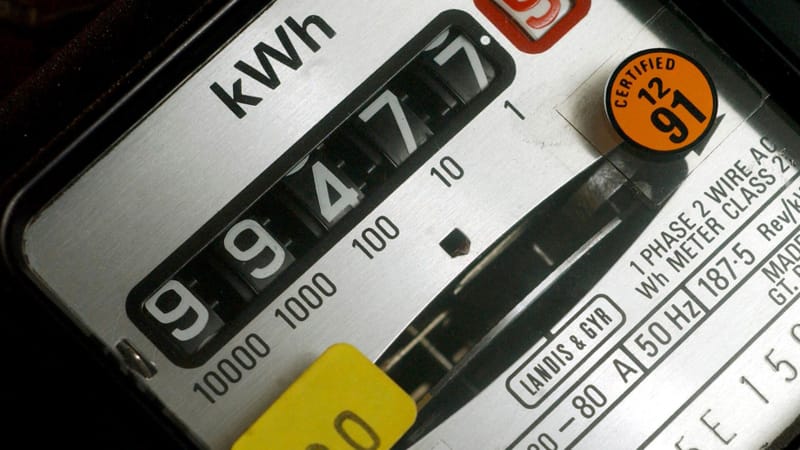
Australian readers will not be able to sign up for this specific plan, since it is tied to SWK Energie’s German service area. Even so, it is a useful reminder that time-of-use and high-consumption tariffs exist in various forms locally too, and checking whether a retailer offers a better rate for heavy household usage is worth doing regardless of what is plugged in.
Frequently asked questions
Does the gaming electricity tariff actually improve gaming performance?
No. SWK Energie is explicit that the plan has no effect on frame rates, input lag, or any other performance metric. It only changes how electricity is priced for high-consumption households.
How much electricity does a household need to use to qualify?
The tariff requires at least 2,500 kilowatt-hours of consumption per year, a level typically reached by households running multiple power-hungry devices such as gaming PCs or electric vehicles.
Is the electricity under this plan actually renewable?
SWK Energie markets the tariff as supplying renewable electricity, though as with most green energy plans, this generally reflects certified renewable generation matched to the grid rather than power drawn from a dedicated source.
Will similar gaming electricity tariffs appear outside Germany?
There is no confirmation of that yet. The plan is specific to SWK Energie’s service area, though it may encourage other utilities to consider tariffs aimed at high-consumption households more broadly.