
The Starlink Wi-Fi 7 router is now shipping to new customers who sign up for the satellite provider’s Residential 200 Mbps and Max plans in the United States and Canada. Starlink confirmed the rollout through its official account, closing out a short, limited debut of the hardware back in September.
Key takeaways
- ✓Starlink's Wi-Fi 7 router, called Router 4, is now shipping to new sign-ups.
- ✓It ships with new Residential 200 Mbps and Max plan orders in the US and Canada only.
- ✓The router first appeared briefly in September before this wider release.
- ✓Wi-Fi 7 supports faster multi-device speeds and lower latency than Wi-Fi 6E.
- ✓There is no confirmed upgrade path yet for existing Starlink customers or other regions.
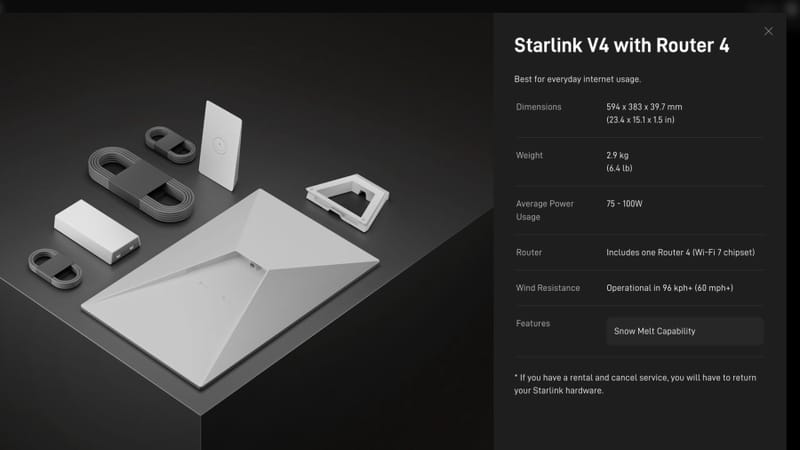
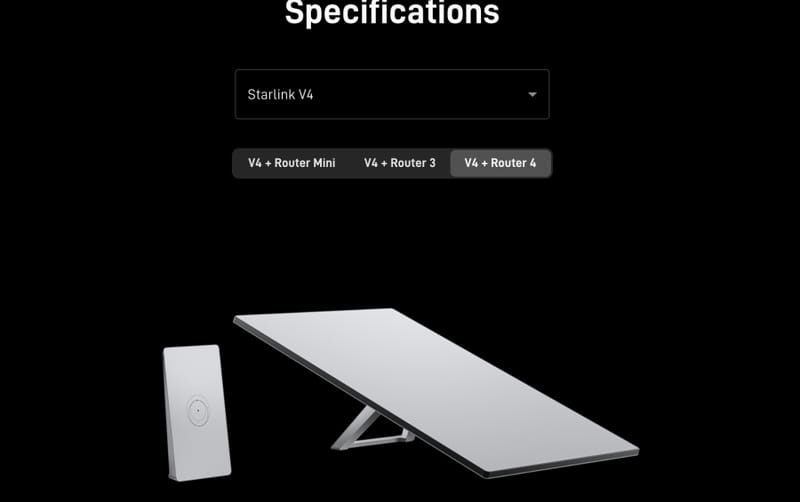
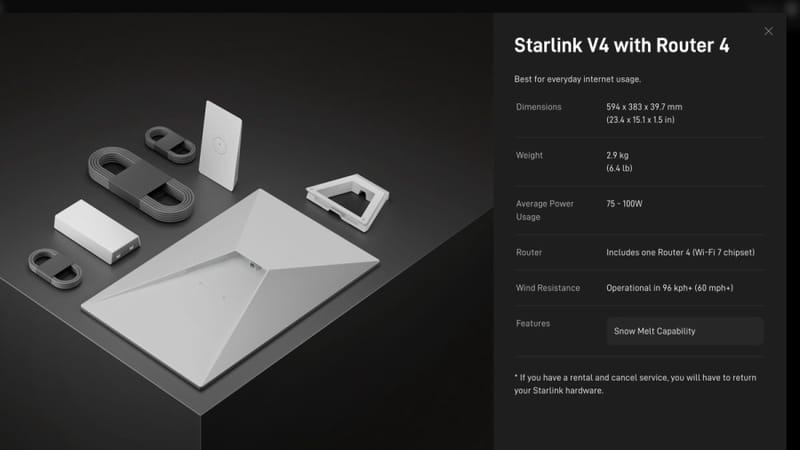
Known internally as Router 4, the device replaces the Wi-Fi 6 router Starlink has bundled with its residential kits for the past few years. It pairs with Starlink’s satellite dish to spread a wireless signal through the home, and the jump to Wi-Fi 7 is the biggest change to that hardware since the service launched. Starlink’s post did not detail every spec, but it did confirm that new sign-ups on the eligible plans would receive Router 4 rather than the older model.
Table of Contents
Why the Starlink Wi-Fi 7 router matters
Wi-Fi 7 is the newest wireless networking standard, and it brings real gains over Wi-Fi 6E for households juggling multiple devices at once. It supports a feature called Multi-Link Operation, which lets a router use more than one frequency band for a single connection simultaneously. That matters in a typical home full of smart TVs, laptops, game consoles and smart home gadgets all fighting for bandwidth.
For Starlink customers specifically, the router upgrade addresses a common complaint. Satellite internet already introduces more latency than fibre or cable, so a sluggish home network on top of that compounds the problem. A faster, more efficient router cannot fix satellite latency, but it reduces the chances of a slow Wi-Fi signal being the actual bottleneck inside the house.
Which Starlink plans include Router 4
Right now, the Starlink Wi-Fi 7 router is reserved for new customers on two specific tiers: the Residential 200 Mbps plan and the Max plan. Existing subscribers have not been given a confirmed path to request the new hardware, and Starlink has not said whether that will change. The rollout is also geographically narrow, limited to new sign-ups in the US and Canada for now.
Starlink has been active on the pricing side of its residential business too. The company recently trialled a dynamic pricing trial that drew criticism from customers in certain markets, and separately moved toward cutting a demand surcharge in Alaska. Those moves, alongside the router rollout, suggest Starlink is actively tweaking both its plans and its hardware as the residential service matures.
Wi-Fi 7 versus the outgoing hardware
The scale of the generational leap becomes clearer when the two standards are placed side by side. Wi-Fi 7 does not just add speed; it changes how a router manages multiple devices and frequency bands at once.
| Feature | Wi-Fi 6E | Wi-Fi 7 |
|---|---|---|
| Maximum theoretical link speed | Up to 9.6 Gbps | Up to 46 Gbps |
| Bands used | 2.4GHz, 5GHz, 6GHz | 2.4GHz, 5GHz, 6GHz with Multi-Link Operation |
| Maximum channel width | 160MHz | 320MHz |
| Key advantage | Less congestion on the 6GHz band | Simultaneous multi-band links and lower latency |
Those figures are standard Wi-Fi 7 capabilities rather than confirmed specifications of Starlink’s specific unit, since the company has not published a full spec sheet for Router 4. Even so, the shift to the newer standard puts Starlink’s home networking hardware roughly on par with mainstream Wi-Fi 7 routers already sold by brands like TP-Link and Netgear.
What the rollout means going forward
Starlink has a pattern of trialling new hardware in North America before expanding it elsewhere, and this router looks set to follow the same path. There is no timeline yet for the Wi-Fi 7 router to reach other markets, including Australia, where Starlink customers currently still receive earlier-generation hardware with their kits.
The broader router market has already started looking past Wi-Fi 7 altogether. ASUS has already launched a Wi-Fi 8 router aimed at gamers, which puts Starlink’s new hardware a generation behind the bleeding edge of terrestrial networking gear even as it represents a genuine step forward for satellite subscribers. That gap is not unusual; satellite ISPs typically move more cautiously on hardware than dedicated networking companies, given the added complexity of pairing a router with a satellite dish rather than a simple modem.
Starlink has shown willingness to retrofit existing customers before, including offering a free dish upgrade for early adopters in the past. Whether a similar offer eventually extends to Router 4 for current subscribers remains unclear, but the company’s history suggests it is not out of the question once the new hardware is in wider supply.
Frequently asked questions
What is Starlink’s Router 4?
Router 4 is the internal name for Starlink’s new Wi-Fi 7 router, which replaces the Wi-Fi 6 unit previously bundled with residential kits. It is designed to spread a faster, more efficient wireless signal from Starlink’s satellite dish throughout a home.
Is the Starlink Wi-Fi 7 router available in Australia?
Not yet. The current rollout only covers new sign-ups for the Residential 200 Mbps and Max plans in the US and Canada. Starlink has not announced when or if the router will reach Australian customers.
Can existing Starlink customers get the new router?
Starlink has not confirmed an upgrade path for existing subscribers. The rollout, as announced, applies only to new customers signing up for eligible plans.
Does Wi-Fi 7 make satellite internet faster?
Wi-Fi 7 improves the wireless network inside the home rather than the satellite connection itself. It can reduce congestion and improve speeds for devices connected over Wi-Fi, but it does not change the underlying latency or bandwidth of the Starlink satellite link.