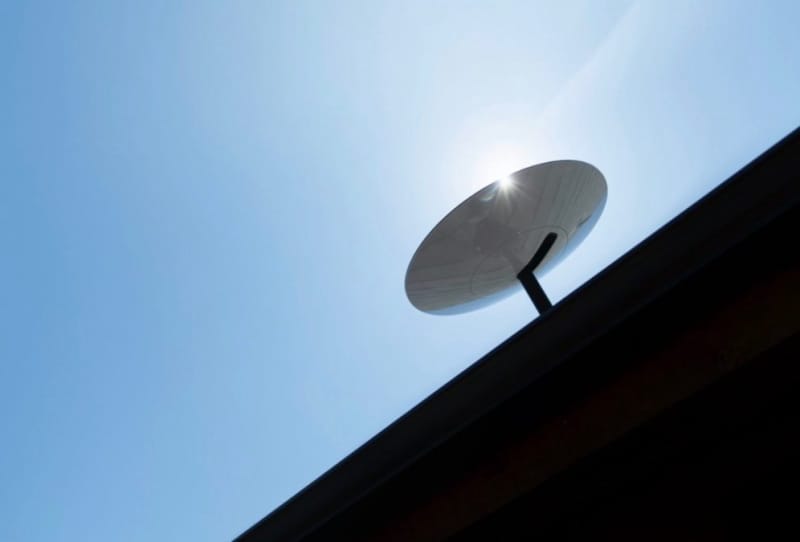
SpaceX is rolling out a free Starlink dish upgrade for customers who have been using the original circular dish since signing up during the service’s early beta period in 2020 or 2021. Eligible households will have their ageing hardware swapped for the newer V4 standard dish at no cost, according to a message SpaceX has begun sending to qualifying accounts.
Key takeaways
- ✓SpaceX is offering a free Starlink dish upgrade to customers still using the original circular dish
- ✓Eligible users connected to Starlink during its 2020 or 2021 beta period
- ✓The replacement swaps the circular dish for the newer rectangular V4 standard dish
- ✓The V4 dish drops the motorised design in favour of a lighter, more reliable build
- ✓Customers are contacted directly by Starlink rather than needing to request the swap themselves
The offer is aimed squarely at Starlink’s earliest adopters, many of whom live in regional or remote areas where satellite internet was the only realistic option for fast broadband. If someone has kept the same circular dish running since those first beta months and never upgraded, there is a good chance a replacement notice is already on its way.
Table of Contents
Who qualifies for the Starlink dish upgrade
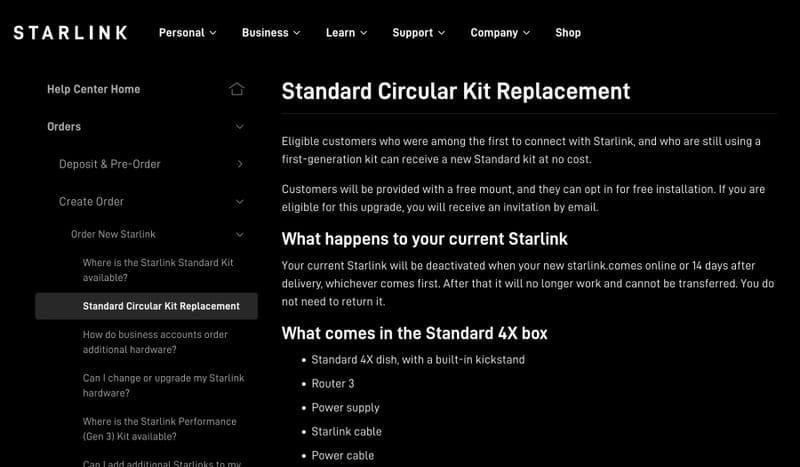
SpaceX has confirmed that eligibility is tied to how early a customer joined the network, not just how old their equipment looks. The company states that customers who were among the first to connect to Starlink, and who are still running a first-generation kit, can receive a free upgrade to current hardware.
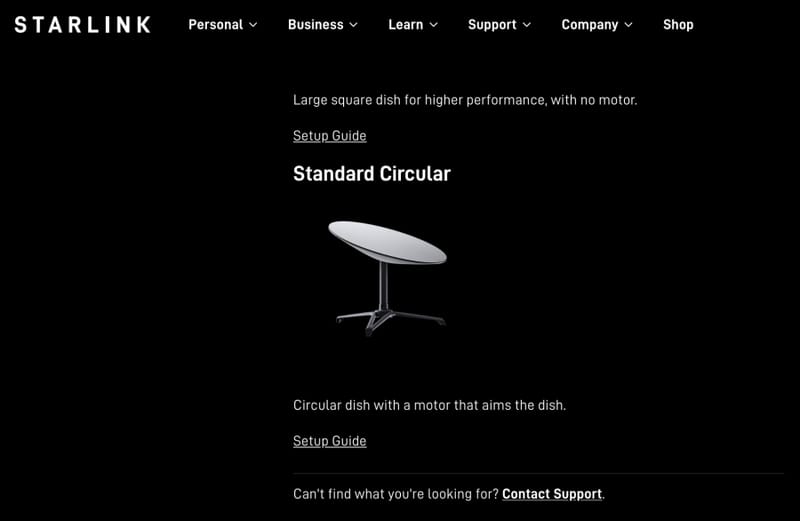
That means the offer is not open to everyone with an older dish. It specifically targets the circular design that shipped with Starlink’s original kits, before the service moved to the rectangular shape used in every generation since. Customers are being notified directly, rather than needing to track down a request form or call support to ask for one.
For Australian users, this matters because Starlink’s rural and remote footprint here grew quickly during that same 2020 to 2021 window, as regional households and farms looked for an alternative to patchy fixed wireless or satellite NBN services. Many of those original connections are still active today, running on hardware that is now several years old.
Circular dish versus the V4 standard dish
The shift from the circular dish to the V4 standard model is more than a cosmetic change. SpaceX dropped the circular shape and its built-in motorised mount in favour of a flatter, motionless rectangular design partway through the Starlink rollout, and the V4 dish continues that lineage with a lighter housing and a newer integrated router.
| Feature | Original circular dish | V4 standard dish |
|---|---|---|
| Shape | Circular | Rectangular |
| Self-orientation | Motorised mount | No moving parts |
| Era | 2020-2021 beta hardware | Current production hardware |
| Router | Earlier generation | Newer integrated router |
Removing the motor was one of SpaceX’s bigger reliability wins, since a mechanical mount sitting outdoors in all weather is one more thing that can eventually fail. A lighter, motionless dish is also easier to mount, cheaper to manufacture, and generally considered more weather-resistant over the long run.
Why SpaceX is replacing ageing hardware now
Swapping out first-generation kit makes sense for SpaceX from a support perspective as much as a customer goodwill one. Fielding a smaller, more consistent range of hardware across the Starlink network means fewer edge cases for engineers to troubleshoot, and fewer customers stuck on components that are no longer manufactured.
It also lines up with a broader pattern of hardware and service changes SpaceX has been making across different Starlink markets recently, including cutting its Alaska demand surcharge from $1,500 to $500 and testing a dynamic pricing trial that sparked backlash from users. Those moves show a company actively adjusting both pricing and hardware policy as its subscriber base matures well beyond the early beta crowd.
For long-time customers, a free hardware refresh is a welcome gesture after years of relying on gear that predates most of the improvements Starlink has made to coverage and speed. It also nudges the network closer to a uniform hardware base, which should make future firmware updates and troubleshooting simpler for everyone, not just the people getting new dishes.
What early Starlink customers should do next
There is no indication that customers need to proactively request the swap if they meet the criteria; SpaceX appears to be reaching out directly to eligible accounts. Anyone still using the circular dish who hasn’t heard anything should check their account messages and the Starlink app, where eligibility notices and shipping details for replacement kits are typically communicated.
It is worth keeping an eye on official channels like Starlink’s official website for further detail, since SpaceX has not published a strict cut-off date for the offer. As the company continues refreshing its hardware lineup and rolling out newer networking hardware like Wi-Fi 8 routers elsewhere in the industry, retiring the last of the circular dishes looks like a logical next step rather than a one-off gesture.
Frequently asked questions
Who is eligible for the free Starlink dish upgrade?
Customers who connected to Starlink during its earliest beta period in 2020 or 2021 and are still using the original circular dish are eligible. SpaceX is contacting qualifying accounts directly rather than requiring a request.
What dish will replace the circular Starlink dish?
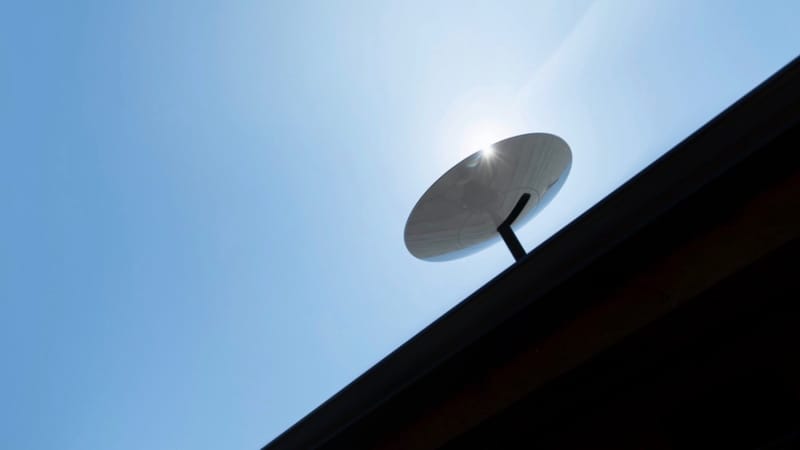
Eligible customers will receive the current V4 standard dish, a rectangular design with no moving parts and a newer integrated router, replacing the motorised circular dish used in Starlink’s original kits.
Do customers need to pay for the replacement?
No. SpaceX has confirmed the upgrade is free for customers who meet the eligibility criteria, covering both the new dish and the associated router hardware.
Is this offer available to Starlink customers in Australia?
SpaceX has not limited the offer to a single region, and Australian customers who joined during the same 2020 to 2021 beta window and still use the circular dish should also qualify, provided SpaceX’s records show the original connection date.