A new Bose gaming headset finally looks like it is on the way, with Bose president Raza Haider telling fans clamouring for a gaming-ready follow-up to the QuietComfort 35 II to “absolutely stay tuned.” It is the clearest signal yet that Bose is working on something built specifically for players rather than just repurposing its existing headphone range.
Key takeaways
- ✓Bose president Raza Haider confirmed a gaming-focused headset is being considered internally
- ✓Haider says any new product must be authentic to gamers and hit a high performance bar
- ✓Fans have spent years asking Bose for a gaming version of the QuietComfort 35 II
- ✓Bose has not set a release timeline or confirmed specifications for the headset
- ✓The comments point to Bose eyeing a gap in the premium gaming audio market
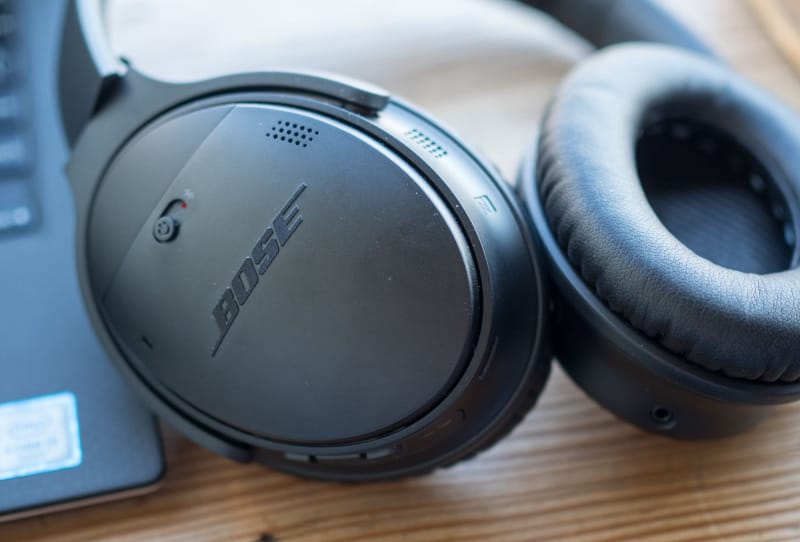
Haider’s comments came in response to a long-running request from gamers who still rate the QC35 II, a headset Bose discontinued years ago, as one of the best wireless options they have ever used for gaming. Despite never being marketed as a gaming product, it built a loyal following among players thanks to its comfort, noise cancellation and clean audio signature. Bose has not replaced it with anything aimed squarely at that crowd since, and the gap has not gone unnoticed by its most vocal customers.
Table of Contents
What Bose’s president actually said
Speaking about the demand for a gaming-focused Bose product, Haider was careful not to overpromise. “If we do something, it has to be authentic to that community; it has to meet a certain bar of performance, and what we have right now isn’t quite there,” he said. That is a notably candid admission from a company executive, acknowledging that Bose’s current lineup does not yet satisfy what competitive and casual gamers expect from a dedicated headset.
Haider stopped short of confirming specifications, a launch window or even a product name. Instead, his message was essentially a request for patience, paired with a promise that Bose is paying attention. For a brand that has built its reputation on noise cancellation and comfort rather than gaming credentials, that caution makes sense. Rushing out a headset that does not match the low-latency audio, microphone clarity and durability gamers expect could do more harm than good to Bose’s standing in a category it has largely sat out.
Why a Bose gaming headset has been missing from the lineup
Bose has historically focused its headphone efforts on travel, commuting and everyday listening, areas where its QuietComfort and SoundLink families have dominated for more than a decade. Gaming-specific features such as sidetone adjustment, virtual surround sound and swappable boom microphones have never been a priority, even as rivals built entire product lines around them.
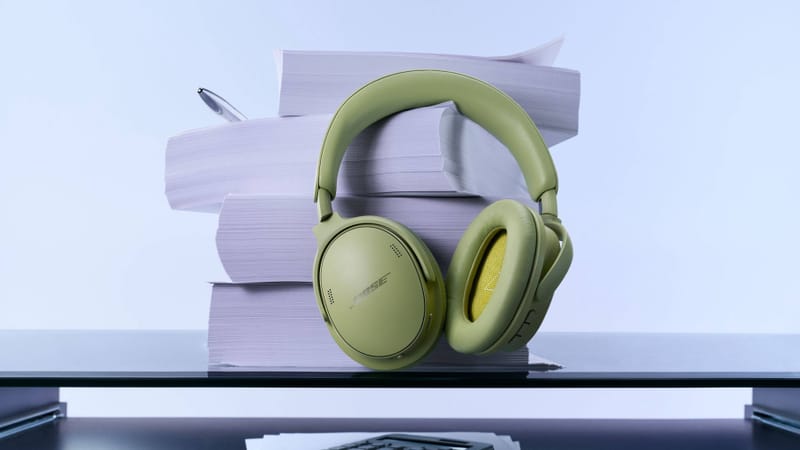
That has left an unusual gap. Bose’s acoustic engineering and noise cancellation are consistently rated among the best in the industry, including on Bose’s flagship QuietComfort Ultra headphones, yet none of that technology has been packaged into something explicitly designed for competitive or casual gaming. Gamers who want that sound quality have had to settle for using everyday headphones with a separate clip-on microphone, which is exactly the workaround many QC35 II owners still rely on today.
How the gaming headset market stacks up
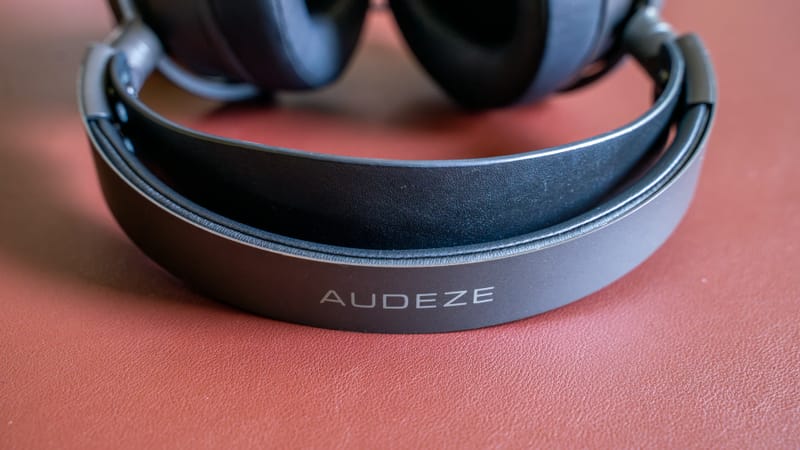
The category Bose would be entering is already crowded, with several established players offering mature product lines built specifically around gaming features rather than general listening.
| Brand | Known for | Typical strength |
|---|---|---|
| SteelSeries | Arctis series | Detachable microphones, broad platform support |
| Logitech G | Pro X and G series | Low-latency wireless, strong esports presence |
| Razer | BlackShark and Kraken lines | Lightweight builds, RGB and software integration |
| Audio-Technica | ATH-G series | Audiophile-grade drivers at accessible prices |
| Bose | No dedicated gaming headset currently | Noise cancellation and comfort, unproven for gaming |
Each of those rivals has spent years refining microphone clarity, wireless latency and comfort for long sessions, areas where Bose would need to prove itself quickly. Haider’s acknowledgement that current Bose hardware “isn’t quite there” suggests the company is well aware it cannot simply rebadge an existing headphone and call it a gaming product.
What it means for gamers waiting on Bose
For now, anyone hoping for a direct QC35 II successor built with gaming in mind will need to keep waiting, with no confirmed timeline from Bose on when, or whether, such a product will actually ship. Haider’s comments read as an internal acknowledgement that demand exists, rather than a formal product announcement.
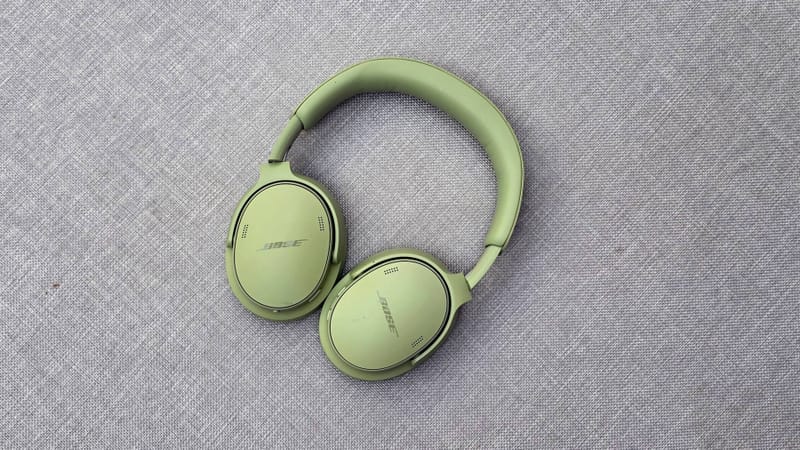
Still, the fact that a company president addressed the request directly, rather than deflecting it, suggests Bose sees genuine commercial upside in a gaming headset done properly. If Bose does bring its noise cancellation and audio tuning to a gaming-specific design, it would give players another premium option beyond the usual gaming audio brands, and potentially pressure rivals to sharpen their own comfort and sound quality. Until then, gamers keeping older Bose headphones running as makeshift gaming headsets will simply have to hold on to them a little longer.
Frequently asked questions
Has Bose confirmed a release date for a new gaming headset?
No. Bose president Raza Haider has only said the company is aware of demand and that gamers should “stay tuned,” without giving a timeline, name or specification details.
Why do gamers want Bose to bring back the QC35 II?
The QC35 II earned a strong following among gamers for its comfort, noise cancellation and audio quality, even though Bose never marketed it as a gaming product. Many players still use it, paired with a separate microphone, years after it was discontinued.
Does Bose currently sell any gaming-specific headsets?
Not at present. Bose’s current headphone lineup, including its QuietComfort and SoundLink ranges, is built around everyday listening and noise cancellation rather than gaming features such as detachable boom microphones or surround sound modes.
What would a Bose gaming headset need to compete with rivals?
To match established gaming audio brands, a Bose gaming headset would likely need low-latency wireless performance, a clear detachable microphone and gaming-focused comfort features, areas where president Raza Haider admitted Bose’s current hardware “isn’t quite there” yet.