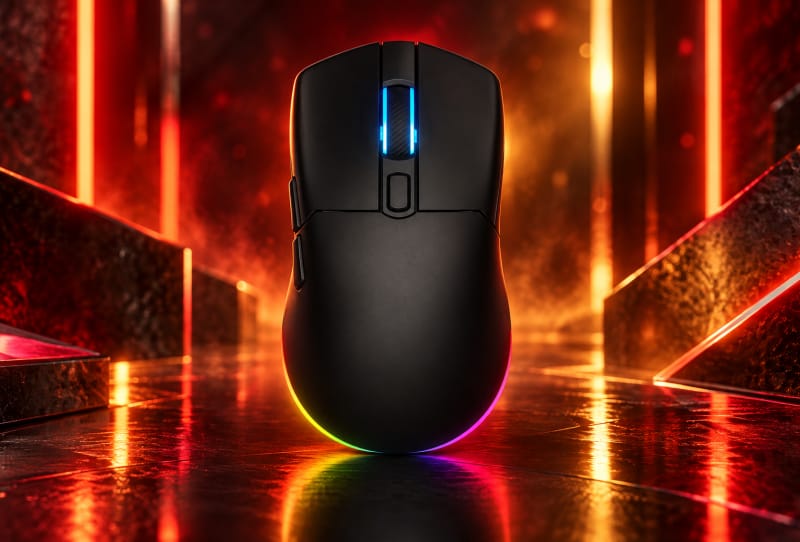
The Hator Pulsar 4 Wireless is a sub-60-gram gaming mouse that squeezes optical switches, a PixArt sensor and tri-mode connectivity into one of the lighter wireless designs on the market. Hator has launched the mouse in the UK, pitching it as an enthusiast-grade option without the usual premium attached to lightweight wireless peripherals.
Key takeaways
- ✓The Hator Pulsar 4 Wireless weighs just 59 grams with a hollowed-out shell design.
- ✓It uses a PixArt PAW3315 sensor capable of 16,000 DPI and 35G acceleration.
- ✓Connectivity covers 2.4GHz wireless, Bluetooth 5.1 and wired USB, with 1000Hz polling.
- ✓A 500mAh battery is rated for up to 110 hours of use per charge.
- ✓Configuration works through a browser-based tool or Hator's SyncHUB software on Windows.
Weighing 59 grams, the Pulsar 4 Wireless sits firmly in the lightweight bracket that competitive players have chased for years. Brands have typically reserved sub-60g builds for flagship models, so seeing the feature trickle down into a more accessible product line is notable for anyone shopping on a budget without wanting to compromise on core performance.
Table of Contents
What’s inside the Hator Pulsar 4 Wireless
At the heart of the mouse sits a PixArt PAW3315 optical sensor, rated for up to 16,000 DPI with 35G of acceleration and Motion Sync support. That combination keeps tracking consistent even during rapid flicks, which matters most in fast-paced shooters where cursor accuracy can decide a round.
Hator has paired the sensor with its own optical switches, developed alongside TTC, rated for 100 million clicks. Optical switches debounce faster than traditional mechanical ones, reducing input lag at the moment of a click. Textured side panels and 100 percent PTFE feet round out the physical design, with a spare set of feet included in the box for when the originals wear down.
| Specification | Detail |
|---|---|
| Sensor | PixArt PAW3315, up to 16,000 DPI |
| Acceleration | 35G with Motion Sync |
| Switches | Hator x TTC optical, 100 million click rating |
| Weight | 59g |
| Connectivity | 2.4GHz wireless, Bluetooth 5.1, wired USB |
| Polling rate | Up to 1000Hz |
| Battery | 500mAh, up to 110 hours |
| Colours | Black, White |
Connectivity and battery life
The Pulsar 4 Wireless supports three ways of connecting: 2.4GHz wireless for the lowest latency, Bluetooth 5.1 for pairing with a laptop or secondary device, and wired USB for charging or backup play. Polling rates reach up to 1000Hz across modes, which keeps response times tight regardless of how the mouse is connected.
Hator claims the built-in 500mAh battery lasts up to 110 hours per charge, a figure that should comfortably cover a couple of weeks of regular use before a top-up is needed. A detachable 1.8 metre paracord cable handles both charging and wired play, giving players the option to plug in during a tournament or low-battery moment without switching to a different peripheral.
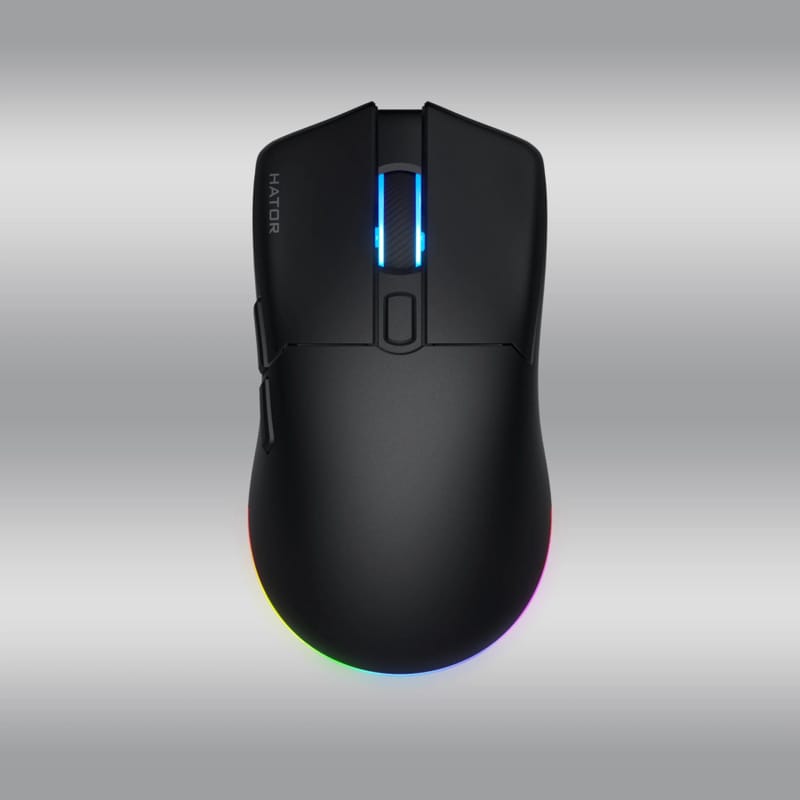
Customisation runs through a browser-based configuration tool, letting users adjust lighting, macros and button assignments without installing anything locally. Those who prefer a dedicated application can use Hator’s SyncHUB software, currently available for Windows 10 and Windows 11, with macOS support expected to follow shortly.
How it stacks up against rivals
Lightweight wireless mice have become a crowded segment, with several brands now offering mice built around sub-30g shells for players chasing the absolute lowest weight possible. The Pulsar 4 Wireless doesn’t chase that extreme, but 59 grams still lands well below the 70 to 90 gram range that many wireless gaming mice occupied just a few years ago.
Elsewhere in the market, Keychron’s G6 HE wireless mouse takes a different approach, leaning on a magnetic Hall effect sensor rather than optical switches. Hator’s decision to stick with optical switches and a proven PixArt sensor keeps the Pulsar 4 Wireless closer to traditional competitive setups, which may suit players who already trust that combination from other peripherals.
What stands out is less the individual spec sheet and more how many enthusiast features Hator has bundled together at once. Tri-mode connectivity, optical switches and a capable sensor have historically been split across different price tiers, so having them under one roof is the mouse’s clearest selling point.
What it means for buyers
For players weighing up their next wireless mouse, the Pulsar 4 Wireless is a reminder that lightweight, feature-rich designs are no longer limited to flagship releases. Anyone choosing the right gaming mouse for fast-paced shooters will likely weigh sensor accuracy and weight most heavily, and the Pulsar 4 Wireless ticks both boxes on paper.
The real test will come down to how the optical switches and PTFE feet hold up over months of use, something only hands-on time can confirm. Hator has a smaller international footprint than brands like Logitech or Razer, so availability and local support in Australia may vary. Buyers should check local retailers and import options before deciding, since specifications alone don’t guarantee the same experience everywhere.

Still, the broader trend is clear. Competition in the budget wireless mouse space is pushing optical switches, high-end sensors and multi-mode connectivity further down the price ladder, which is good news for anyone who wants enthusiast-grade gear without needing to buy a flagship model.
Frequently asked questions
How much does the Hator Pulsar 4 Wireless weigh?
The mouse weighs 59 grams, placing it among the lighter wireless gaming mice currently available, though not the absolute lightest on the market.
What sensor does the Pulsar 4 Wireless use?
It uses a PixArt PAW3315 optical sensor, supporting up to 16,000 DPI, 35G of acceleration and Motion Sync for consistent tracking during fast movements.
What connectivity options are available?
The mouse supports 2.4GHz wireless, Bluetooth 5.1 and wired USB connections, with polling rates of up to 1000Hz across each mode.
Is macOS software support available?
Hator’s SyncHUB software currently supports Windows 10 and Windows 11, with macOS compatibility expected to arrive shortly after launch.